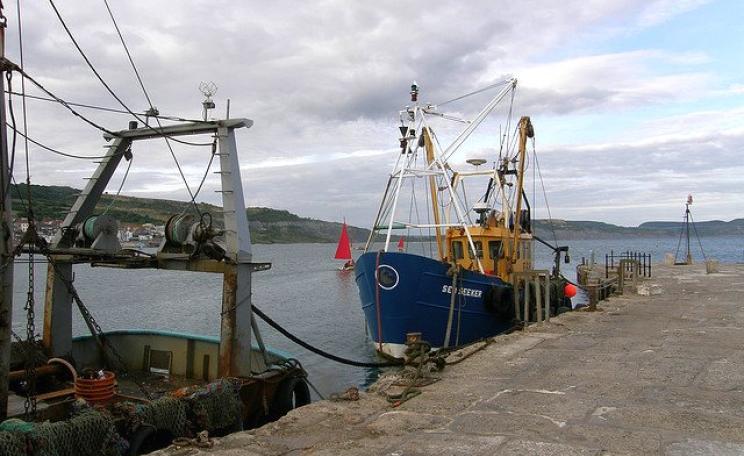
There's strong public support for protecting marine wildlife, writes Horatio Morpurgo - so why aren't politicians championing the cause? Labour and Tories alike fear to challenge the big fishing companies that have come to believe they own Britain's offshore waters and seabed. Now it's up to use to prove they're wrong.
As south-east England goes onto an air pollution 'red alert', write Frank Kelly & Julia Kelly, be warned: in addition to causing respiratory and cardiovascular damage, the microscopic particles befouling the air also impact on the brains and nervous systems of unborn children whose mothers suffer high levels of exposure.
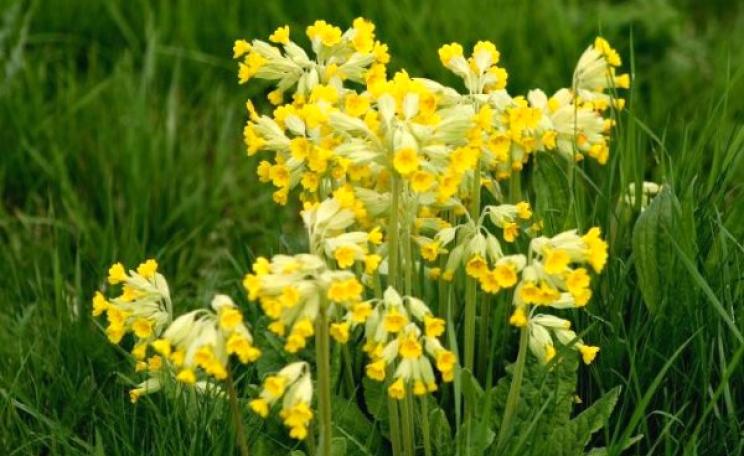
Is it 'morally reprehensible' to arbitrarily decapitate roadside flowers? Yes it is, writes Martin Spray - at least in Switzerland. And now we know that plants have both senses and physiology, why not awareness and emotions too? Even legal standing to have their rights defended in court - at least if they are trees?
The eruption of nuclear weapons into today's election campaign should ignite a real debate over the UK's Trident missile system, writes Oliver Tickell. The notion that the UK is more secure with nuclear weapons than without is a dangerous illusion. The truth is the reverse - they are far more likely to make the UK a nuclear target, than to protect it.
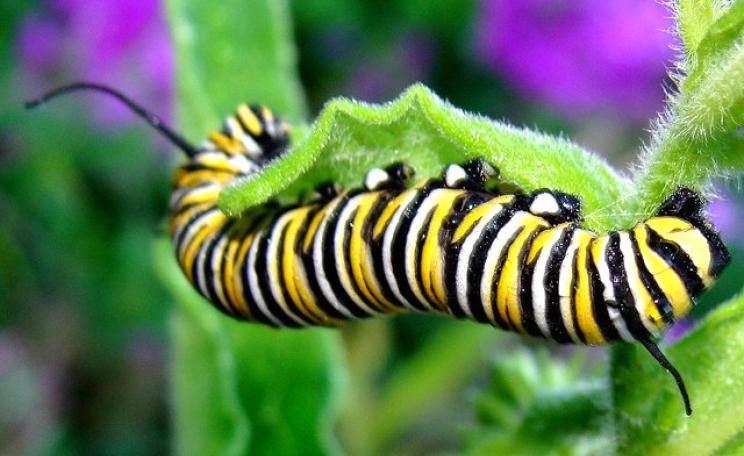
Monarch caterpillars are vulnerable to neonicotinoid toxicity at concentrations as low as 1 part per billion, writes Jonathan Latham, and that makes them vulnerable to residues from commercial crops - and even more so from horticultural use in plant nurseries!
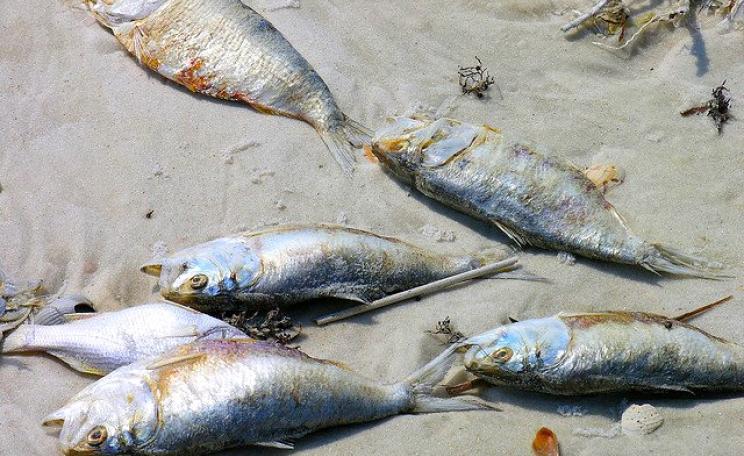
Oxygen levels in our oceans are falling, writes Lee Bryant, producing growing 'dead zones' where only the hardiest organisms can survive. The causes are simple: pollution with nutrient-rich wastes, and global warming. But the only solution is to stop it happening - or wait for 1,000 years.
Organic farmer Charles Mann, aroused by The Ecologist's anti-cull stance, makes an evidence-based case for culling badgers in areas of high TB incidence - together with other measures including enhanced testing in apparently 'low risk' areas that present a high risk of disease spread.
The Tea Party of Miami put up a convincing demo last week to oppose a 'land grab' that would see 46,000 acres of sugar farm land restored for Everglades conservation. Just one problem - the 'protestors' were actors each being paid $75 for the two-hour shift.
When seeking a new Vice-Chair for the BBC Trust, would you seek out a distinguished journalist? Or the Chairman of Europe's biggest arms company, one with a murky past of corruption and supplying deadly weapons to despotic governments? For the British oligarchy, writes Harry Blain, the answer is obvious.
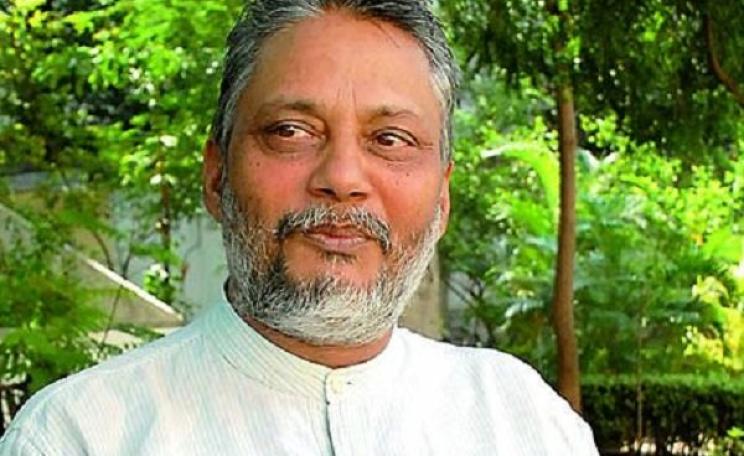
The revival of traditional rainwater harvesting has restored flow to rivers in India's driest state, Rajasthan - thanks to the tireless efforts of Rajendra Singh, recent winner of a Stockholm water prize. And as Pramila Krishnan discovered in a fascinating meeting, Singh's techniques, and his philosophy, are of truly global significance.
Iraq is working hard to remediate the environmental impacts of two Gulf wars and Saddam Hussein's chemical weapons programme, writes Wim Zwijnenburg. But it now faces new hazards deliberately caused by Islamic State - and is in desperate need of international support.
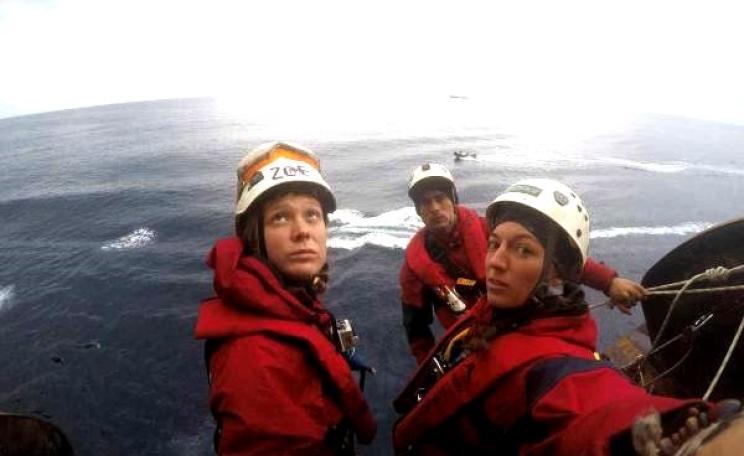
Days after Shell received US Government backing for its plans to drill in the Chukchi Sea in the Alaskan Arctic, volunteers from Greenpeace have occupied its 'Polar Pioneer' oil rig in the Pacific Ocean to demand a halt to all Arctic oil exploration.
A deal to give up 500,000 acres of public lands in Utah to the tar sands industry in return for 1.5 million acres of industry is a sacrifice too far, writes Alexander Reid Ross, as it disclaims the wider costs of massive water use and contamination in the headwaters of the Colorado River, already seriously stressed by drought.
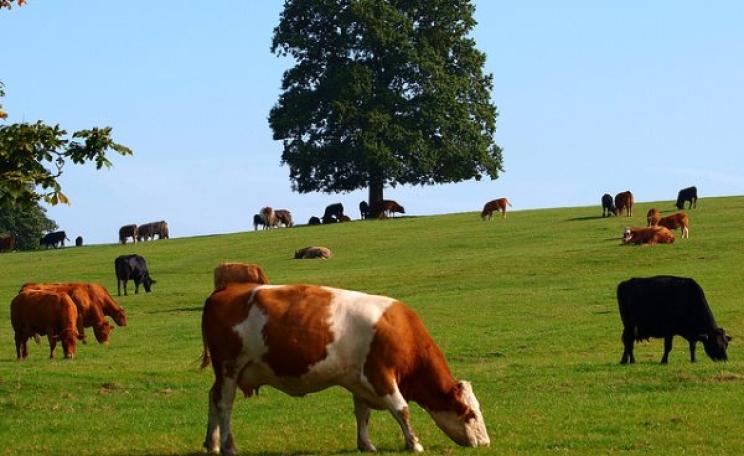
Thinking people of all stripes are agreed in their opposition to cruel, exploitative animal farming, writes Ronnie Cummins. So it's time for them to move beyond sterile 'meat-eater versus vegetarian' debates, and unite in their opposition to the daily atrocities of industrial agriculture.
Some people like fixing things - others have things to fix. Repair cafés are a new global phenomenon that brings the two together, writes Jade Herriman - giving satisfaction to both, sharing skills, keeping stuff out of landfill, fighting 'designed obsolescence', and building communities sustained by mutual help.