The UK Government will be in the Supreme Court tomorrow accused of 'dragging its feet' over an EU air pollution law that should be saving tens of thousands of British lives a year, writes James Thornton. Instead of defending its inaction, the Government should make an immediate start on cleaning our filthy air.
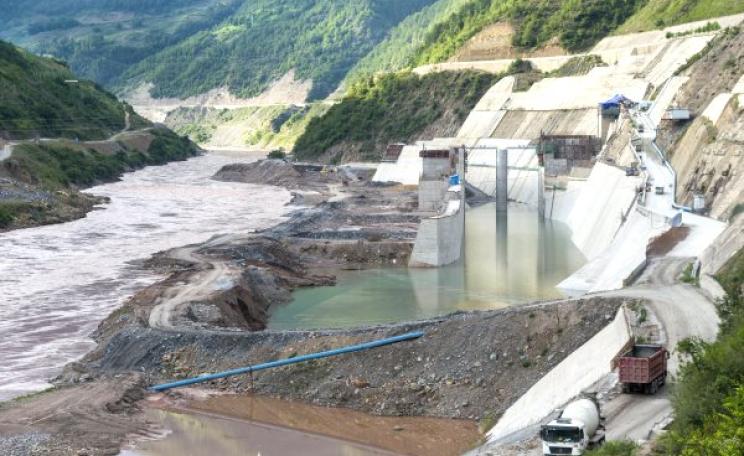
Police in India's Uttar Pradesh state yesterday opened fire on a 'sit in' by tribal protestors at the construction site of the Kanhar dam, now under construction in open contempt of court orders. Tribal leader Akku Kharwar and eight others were seriously injured by the gun fire.
Japan's latest plans for 'scientific whaling' in the Southern Ocean have fallen at the first hurdle, writes Tony Press. The IWC's expert panel says Japan's proposal contains 'insufficient information' on which to judge its validity, in particular the need for the 'lethal sampling' of over 3,996 Minke whales that is central to the research plan.
The Green Gathering is a festival with a rich history that's not afraid to encompass hedonism, writes Emma Fordham - but also goes way beyond it. A showcase of real life alternatives with a mission to have fun and change the world, it's coming back this summer - so prepare for an unforgettable experience (and £10 off the ticket price).
As the world inexorably warms, Roger Kemp shows how we can help to keep our buildings cool with roof gardens - or just with white paint. And if enough people do it, entire cities will become more cooler, more pleasant places to be when hot weather hits ...
As the Greens announce anti-austerity policies in their election manifesto, Bennet Francis & Rupert Read examine the austerity narrative - and find it doesn't add up. By insisting that deficit reduction is necessary for growth, the politicians of austerity undermine the very meaning of the 'prosperity' they promise us.
The Green Party manifesto, published today, pledges to enact long overdue restrictions on the use of toxic pesticides to protect rural residents and children from adverse health impacts, writes Georgina Downs. Now all political parties must follow where the Greens have led.
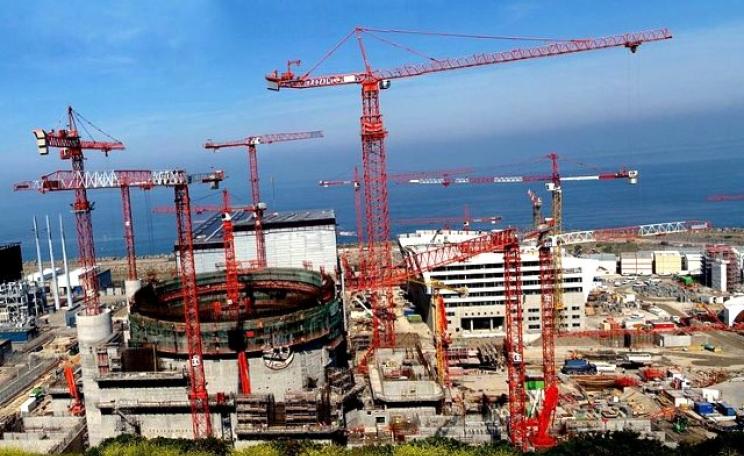
A serious flaw in the steel reactor vessel of a nuclear plant under construction in France raises safety fears for the EPR design, write Paul Brown & Oliver Tickell - and casts a dark shadow over the UK's troubled Hinkley C nuclear project.
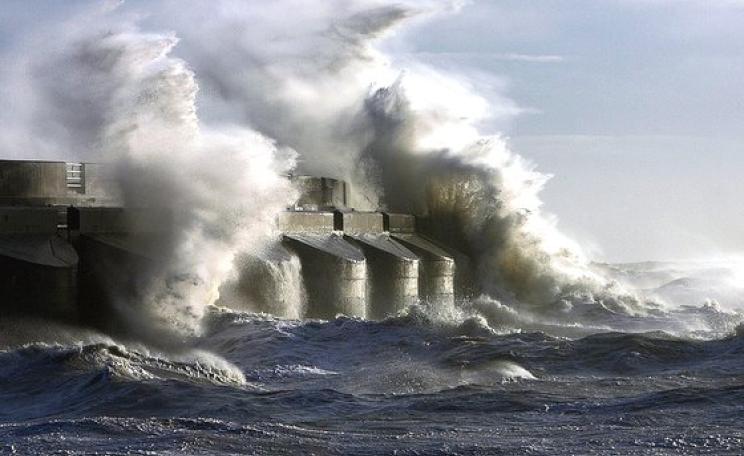
Wave power has a huge part to play in supplying the US with clean, renewable electricity, writes Shalinee Kishore. But to achieve its full potential, we must harness not just the energy of waves, but their predictability - and so so ensure the smooth integration of wave power into the electricity grid.
When Michael Buckley took a white water rafting trip in Tibet in 2005, he had no idea of the adventure he was embarking on - a ten-year investigation of China ruthless exploitation of Tibet's mineral and hydroelectric resources, and its systematic attack on indigenous Tibetans, their culture and their survival on the land.
Nicola Sturgeon secretly met with pro-fracking firm Ineos on the very same day that Scotland announced its shale gas moratorium, writes Kyla Mandel - giving rise to fears of a under-the-table stitch-up.
MEPs vote tomorrow on Green measures to ensure that TTIP 'harmonisation' on food and farming means applying the highest standards, not the lowest, writes Molly Scott Cato. But will MEP's put farmers, food and animals before corporate profit?
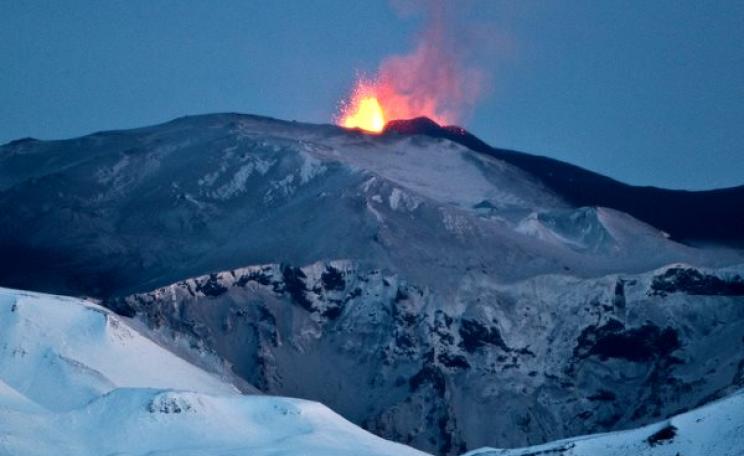
The end of the Triassic era 200 million years ago was marked by a surge in CO2 and anoxic oceans saturated with toxic hydrogen sulfide, writes Jessica H. Whiteside - enough to finish off half of all known organisms. Could humans now be embarking on a similar experiment?
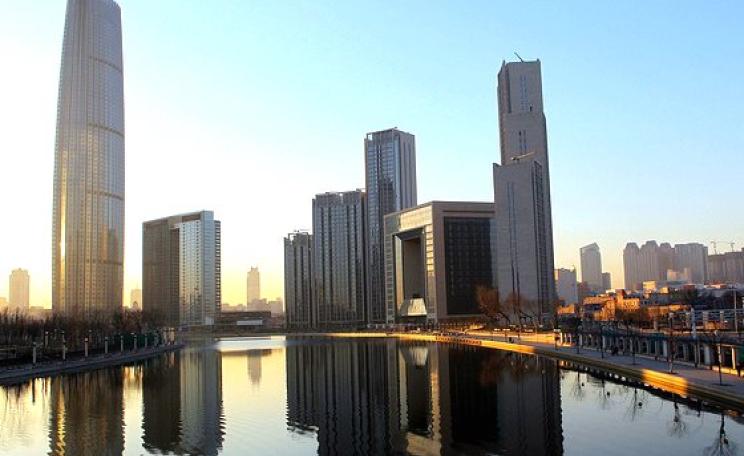
Rising anger by China's dispossessed - those displaced from their homes, villages and farms to make way for ever-expanding cities and infrastructure - is posing an existential threat to the ruling regime, write Samantha Hoffman & Jonathan Sullivan. At the root of the problem is the state's inability to tackle endemic official corruption and deliver justice to its citizens.
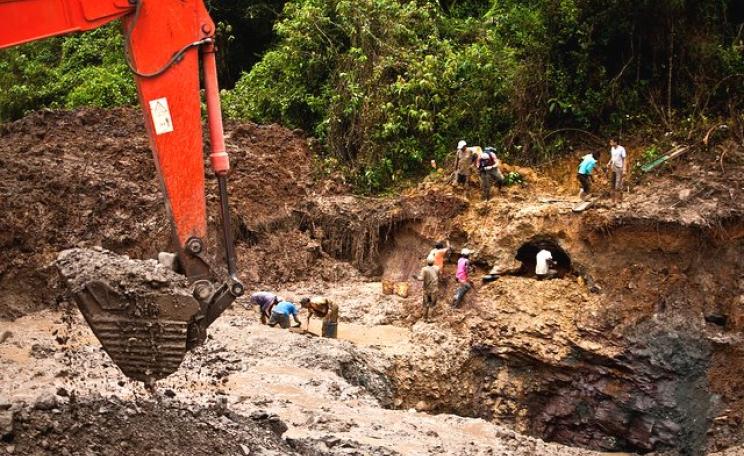
An indigenous leader in Colombia's 'gold belt' has been killed by unknown gunmen as tensions grow between indigenous communities and outside gold mining interests, many of them linked to illegal armed groups and the drug trade.