As the UK's nuclear dream fades, writes Chris Goodall, investors are turning to the possibilities of 'Concentrating Solar Power' in the Sahara connected to Europe by HVDC power lines. The cost would be much lower than nuclear or offshore wind, and provide reliable baseload capacity. With the UK government's say so, Tunisian sunshine could soon be powering our grid.
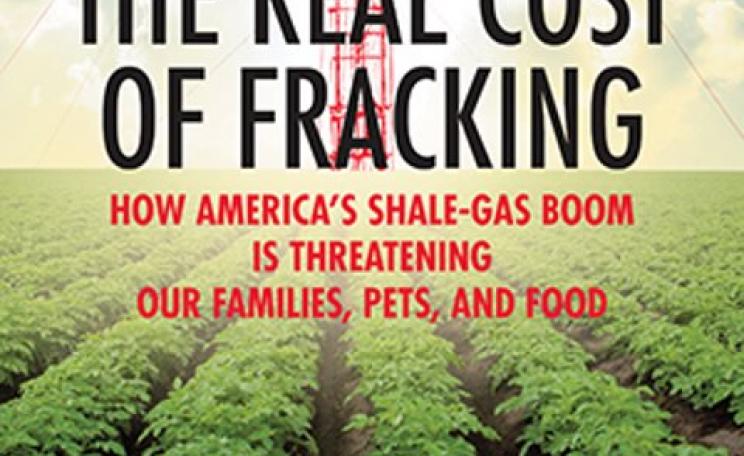
America's shale gas boom threatens families, pets, and food, writes Allison Wilson. Fresh from her reading of 'The Real Costs of Fracking', she finds a host of adverse health impacts on those living near fracking sites, the toxic pollution of the food chain, and a wall of corporate and official secrecy.
The rainforest habitat of chimpanzees and other great apes is being destroyed by the expansion of palm oil projects in central Africa, according to new evidence from Greenpeace.
Alaska has put in place a 'citizen's income' paid to every resident by right - their dividend from the state's oil and gas wealth. The principle should be applied everywhere, writes Peter Barnes, compensating us for the enclosure and exploitation of the global commons, our shared inheritance of land, water and sky.
The Food for Life 'Catering Mark' is bringing fresh, healthy and local food into schools, hospitals and canteens, writes Peter Melchett - while driving big increases in the volume of organic food we eat, and growing the market for organic farmers and local food producers.
Scandinavian inventors are hoping that efficient new waves power technologies will for the first time make the sector competitive with other renewable energy sources, writes Paul Brown - opening up a massive new clean energy resource around the world.
A broad community of independent scientific researchers and scholars challenges claims of a 'consensus' that genetically modified organisms (GMOs) are 'safe' to grow and eat. The claims - which continue to be widely and often uncritically aired - are a false and artificial construct that have been misleadingly perpetuated through diverse media.
The recently published Global Nutrition Report shows almost all countries face high levels of malnutrition and diet-based ill-health, writes Julia Wright. This reveals deep problems with the dominant industrial model of food production, and the need for new agroecological approaches to feeding the world.
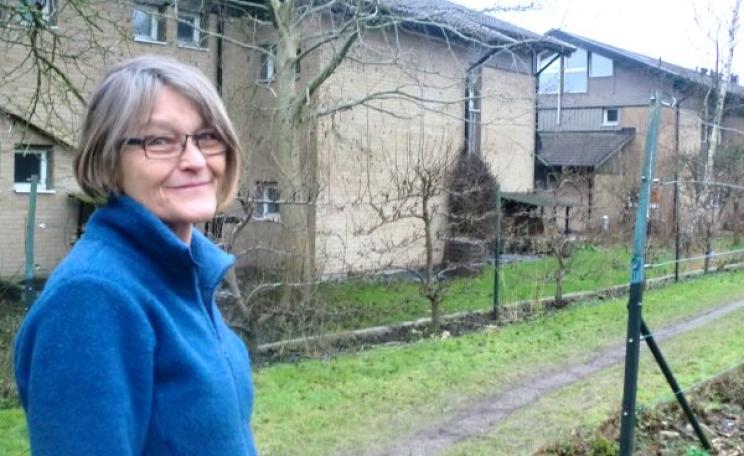
Solbyn, a sustainable community in southern Sweden, is a cold place to spend the winter, writes Gillian Thomas. But for all the snow outside, the well-insulated homes stay warm in the harshest conditions - and the welcome is warmer still. Come summer, there's an organic farm to nurture, but February is a month for friendship, making plans, and brilliant starry nights.
Montana legislators have brushed off the attempts of farmers, ranchers and landowners to effect 'zoning' regulations to protect them, their land, their water and their livestock from the toxic impacts of fracking. Now they say: 'See you in Court!'.
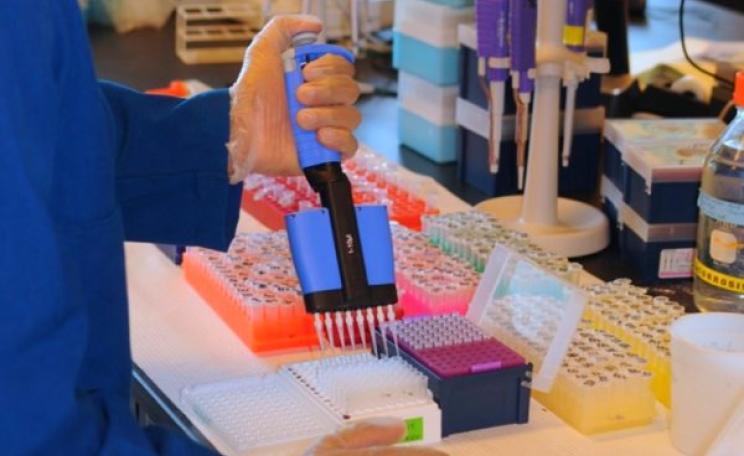
Advanced molecular genetic techniques are allowing scientists to breed disease resistance from wild grape varieties into susceptible domestic cultivars used for making wine, writes Andrew Walker. And it's all being done by conventional plant breeding accelerated by the use of DNA markers - with not a GMO in sight!
The financial cost of the diseases of modern civilization is almost double the budget of the National Health Service, writes Jules Pretty, while the economy has grown past the point of greatest satisfaction. Our over-riding priority should be to move to greener, healthier, more sustainable and satisfying ways of life.
India's renewable power capacity is set to reach 170GW by 2022, write Areeba Hamid & Oliver Tickell - reducing power shortages and bringing electricity to off-grid of rural communities for the first time. But it may also have an unintended consequence - cutting off investment in India's troubled coal sector as prospects for future profitability evaporate..
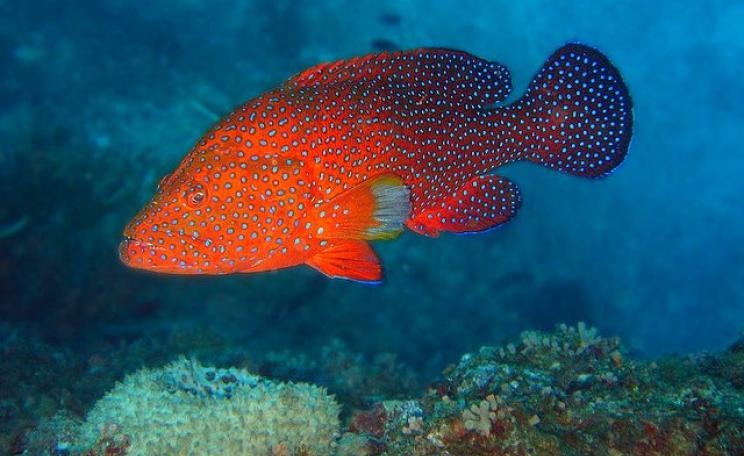
A powerful call has gone out the the US Export-Import Bank not to finance a massive coal mine, railway, port terminal and dredged 'canal' through Australia's Great Barrier Reef with $1 billion in loans and guarantees.
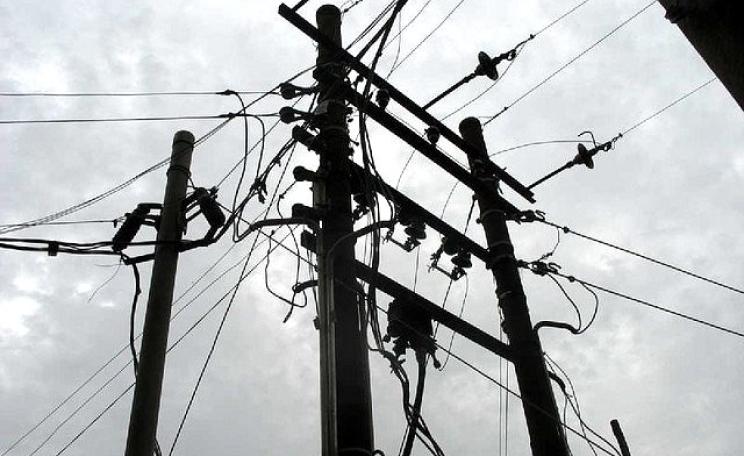
The failure of the UK's privatized electricity oligopoly - expensive, uncompetitive and slow to adopt renewable technologies - is being repeated across the global south, writes Christine Haigh: over £100 million of UK 'aid' is supporting energy privatization in the very countries that can least afford it.