The Soil Association's Catering Mark scheme promises 'fresh food you can trust'. This sounds great, writes Lynda Brown. But what does it really deliver? The truth, she finds, is much less than the promise might suggest, considerably more complicated, and threatens to erode the public's trust in the Soil Association's organic brand and values.
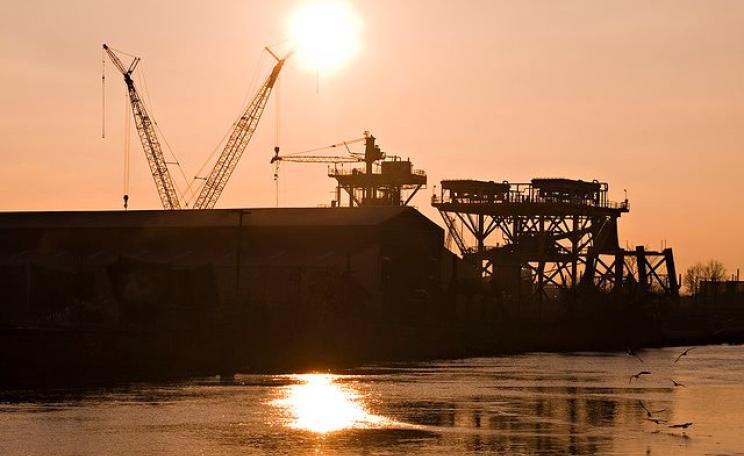
The oil and gas industry has admitted that its canals and drilling rigs have destroyed 1,900 square miles of coastal wetlands on the US Gulf Coast, but a Federal Judge with deep industry ties has ruled that 97 companies off have no liability for the $50 billion damage.
While mainstream media promulgate a fictitious message of Russian threats in the Baltic, Vladimir Putin's next big play lies far to the south, writes Oliver Tickell. The gross intransigence of the EU, the IMF, the European Central Bank and Germany are forcing Greece into a powerful new economic and energy alliance with Russia that will reshape Europe - and for the better.
A small community in Uganda is challenging a UN-backed international oil palm venture that has expropriated small farmers and obliterated an entire forest on a Lake Victoria island to establish a vast plantation. Three years after the grab, Friends of the Earth groups are backing the islanders legal action, which is launched today.
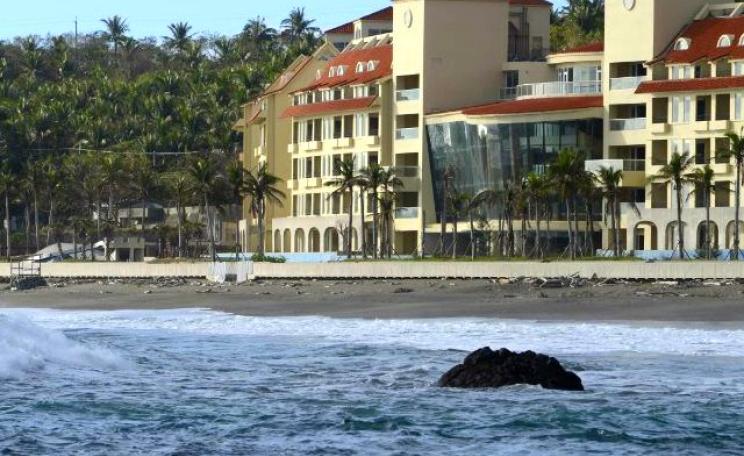
A huge hotel development has been built on a pristine beach belonging to the 'Amis, one of Taiwan's indigenous tribes, despite numerous court rulings confirming its illegality. Glenn Smith met 'Amis campaigner Sinsing, whose fight for justice began when the government handed out eviction notices to her community - and will continue until the hotel is razed and the beach restored.
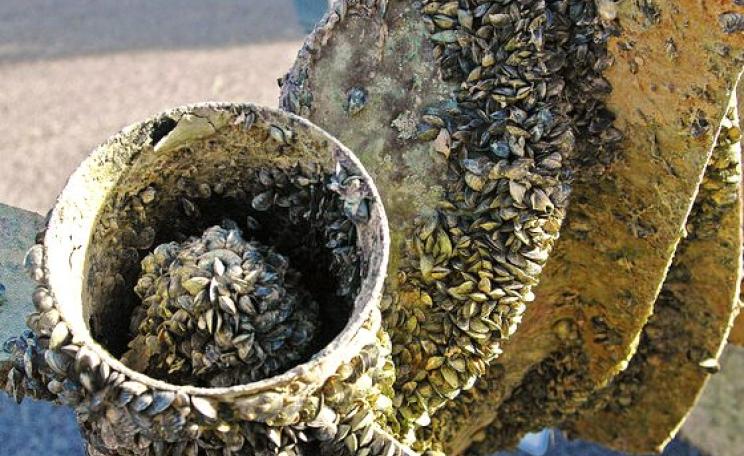
The zebra and quagga mussels, exotic invaders from the Caspian, are already causing huge damage in North America by 'biofouling' and disrupting native ecosystems, writes Yannic Rack. And now Britain is having to gear up for an impending invasion that threatens a costly meltdown of our aquatic biodiversity.
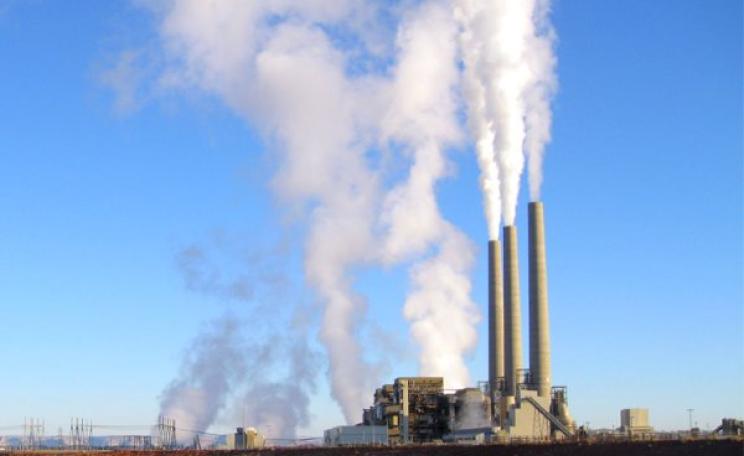
Levels of neurotoxic mercury in Yellowfin tuna are rising at almost 4% per year, and will soon reach a point where the fish are officially unsafe to eat, writes Paul Drevnick. And after decades of debate, there's no longer any doubt where the mercury comes from: humans. Industrial sources like coal burning are mainly to blame, and it's high time we put a stop to it.
Deep in the text of the TPP trade deal lurk little-known provisions to boost the profits of Big Pharma, writes Conor J. Lynch, by extending patent terms and suppressing 'generic' alternatives - as if the industry's 23% margin wasn't enough already. As for the millions that will suffer hardship, ill health or death from higher drug prices ... it's their fault for being poor.
The fossil fuel industry's big reaction to Global Divestment Day shows us something important, writes Kate Aronoff - they understand the existential danger they face better than we do. To win the battle for the world's climate, as we must, the victory must be total - and there is no place for neutrality or weak compromise.
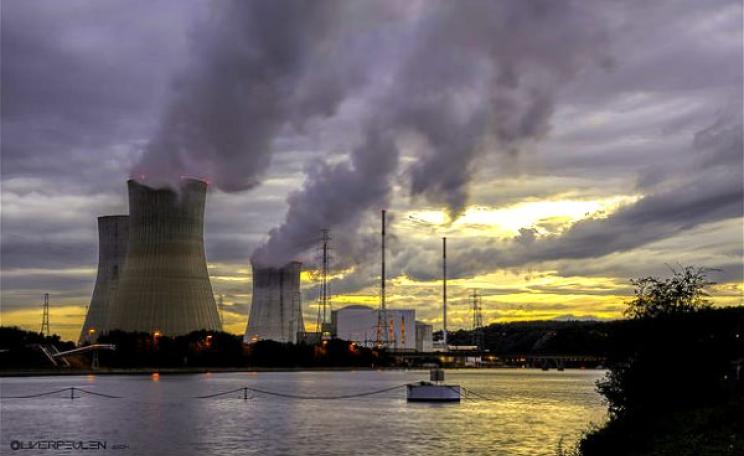
The discovery of over 16,000 cracks in two Belgian reactor vessels may have global implications for nuclear safety, says the country's nuclear safety chief. He and independent experts are calling for the immediate checks of nuclear reactor vessels worldwide.
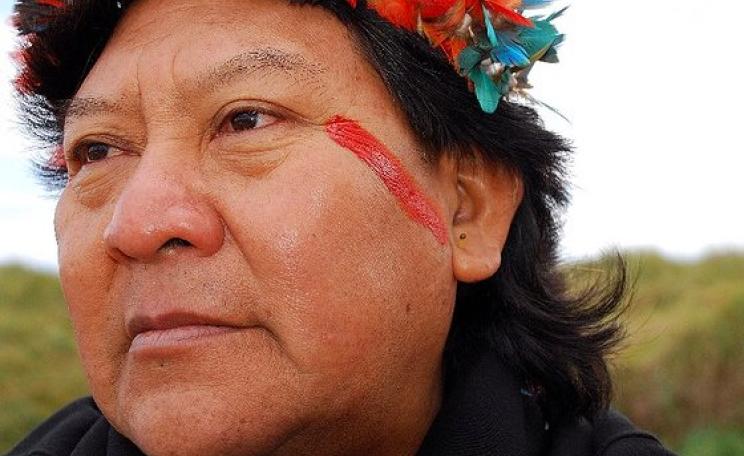
This powerful book by Davi Kopenawa and Bruce Albert reveals to us the world view of the Yanomami shaman, writes Sue Branford - together with many uncomfortable insights about the horrors of mainstream modern society, seen from an indigenous viewpoint as a form of organized madness that's driving the world to destruction.
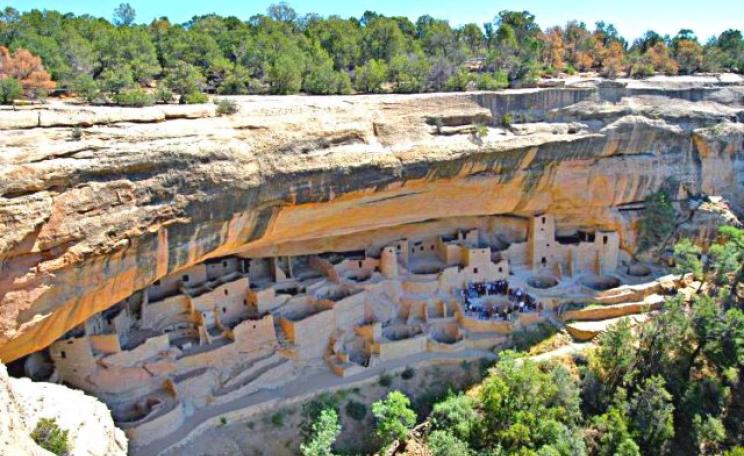
The same pattern of severe droughts that extinguished the Ancient Pueblo culture of the southwest US in the 13th century will come back with a vengeance later this century as climate warms and dries, writes Tim Radford. And it could have precisely the same effect on the region's modern-day residents.
Africa's biotech establishment is deploying its biggest guns to attack NGOs opposed to GMO crops to help push through Ghana's corporation-friendly Plant Breeders Bill - a key element in the corporate enclosure of Africa's farming, seeds and agricultural heritage.
The raft of 'free trade' agreements under negotiation represents a massive seizure of power by corporations, writes Joyce Nelson - effectively stripping democratic governments of their power to legislate for health, environment, labour or anything else that could reduce corporate profit. But the mainstream media are mysteriously silent.
Public transport often doesn't work for travellers because it's fragmented, deregulated and operated for short-term profit, writes Rupert Read. A Green transport policy would force operators to coordinate their schedules, integrate multiple transport modes, and entice travellers out of their cars building a real public transport 'system'.