'Ocean giants' in our coastal waters are increasingly rare, writes Dr Lissa Batey, thanks to a host of threats from pollution to entrapment in fishing gear. Marine Protected Areas in England and Wales could help restore our cetaceans to their former abundance - but so far, only one has been designated for these species in Wales, and none in England.
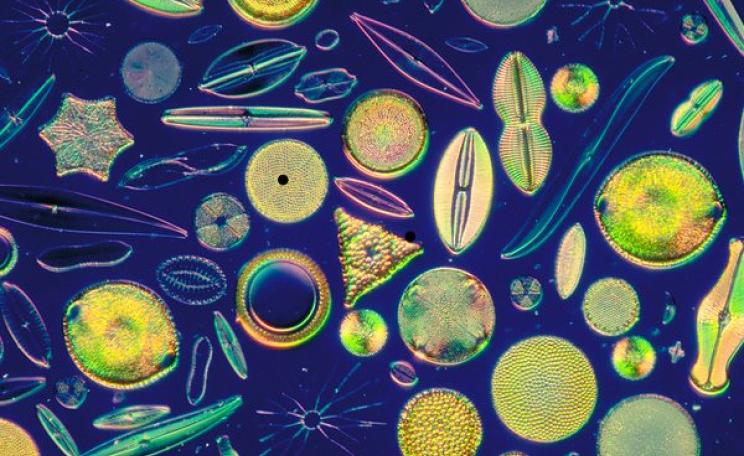
Increasing acidity in the Southern Ocean is slowing the growth of diatoms, reports Tim Radford. Why worry? Because these tiny plankton sustain essential marine ecosystems, and are highly effective at drawing CO2 down into the deep ocean.
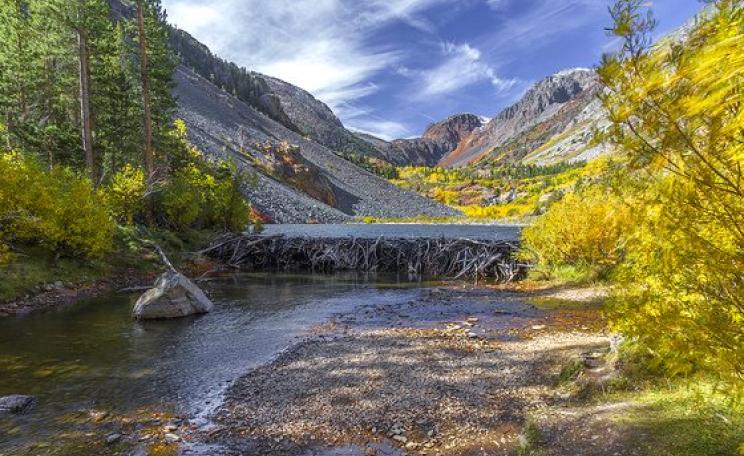
With California's wild Coho salmon populations down to 1% of their former numbers, there's growing evidence that beavers - long reviled as a pest of the waterways - are essential to restore the species, writes Maria Finn. In the process, they raise water tables, recharge aquifers and improve water quality. What's not to love?
As tensions grow between US-dominated NATO and Russia, former cold warrior William R. Polk hears the echoes of the Cuban missile crisis - only this time, it's Russia that feels forced to fight for its vital strategic interests. We must hear the lessons of 1962 Cuba - and negotiate a just and durable peace, before we sleep-walk into a world-destroying war.
Modern economies depend on growth, writes Giorgos Kallis: the moment it stops, we all get poorer, government tax revenues decline and unemployment rises. So is it possible to have prosperity without growth? Yes it is - and here's how ...
China has just recorded its first fall in emissions from burning fossil fuels in 15 years, writes Lauri Myllyvirta. The sharp decline has surprised analysts, and reflects the fast growing proportion of renewables in the country's power supply.
Europe's biggest organic fair kicks off today in Valencia, writes Pedro Burruezo - 30 years after the first ever BioCultura event in Madrid in 1985 kicked off Spain's organic revolution. Since then Spain has become Europe's biggest organic producer, and the sector is growing at a dizzying rate of over 10% a year.
The IPCC's 'Representative Concentration Pathways' are based on fantasy technology that must draw massive volumes of CO2 out of the atmosphere late this century, writes Nick Breeze - an unjustified hope that conceals a very bleak future for Earth, and humanity.
Last November Tanzania's President Kikwete tweeted his promise that the evictions of indigenous Maasai people and their villages near Serengeti National Park would stop. But now another round of evictions is under way: thousands of Maasai have been evicted at gunpoint and their homes burnt to ashes. The Maasai say: 'We need your help!'
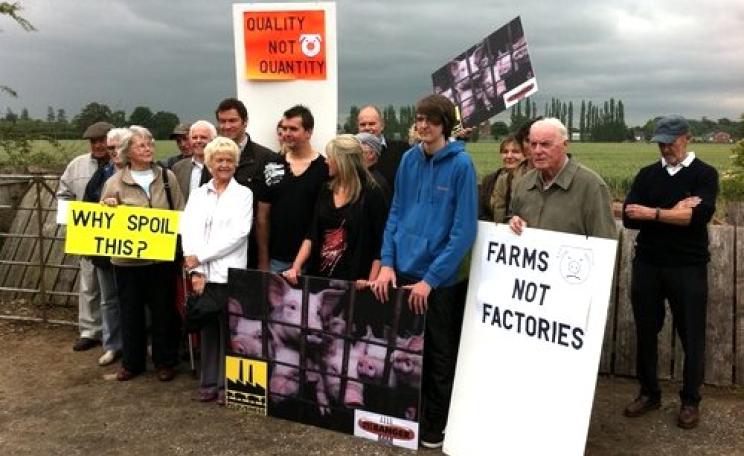
A proposed factory farm at Foston, Derbyshire, condemned by locals as a 'pig prison' for 25,000 animals has been refused a permit by the Environment Agency because of the powerful stench it would emit and potential risks to health and the environment.
A report published by MPs today displays a shocking ignorance of scientific logic and the nature of risk, writes Rupert Read. Confusing inconclusive evidence of harm from GMOs, with conclusive evidence of safety, they reach a false and dangerous conclusion - that the EU should give free rein to pro-GMO governments.
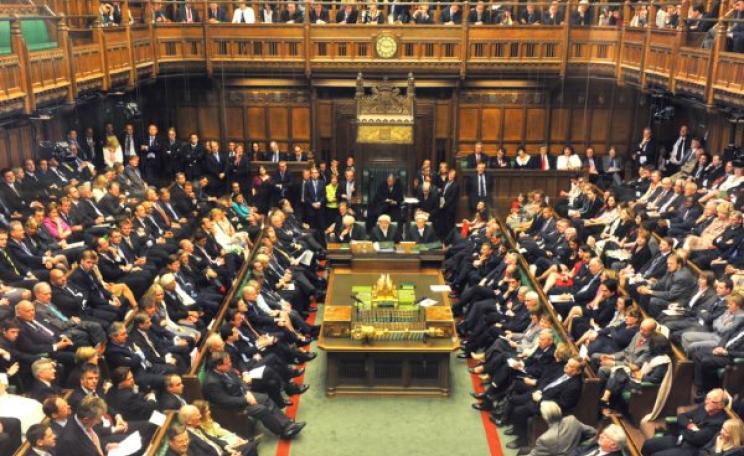
The rushed passage of the Infrastructure Bill with all its pro-fracking provisions and toothless 'safeguards' is an abuse of democracy. And as it's manifestly against the national and public interest, it's also in breach of both MPs' and Lords' legally binding Codes of Conduct. Now Jojo Mehta intends to hold them to account - in Court.
Israeli settlers in Palestine's South Hebron Hills last week cut down an orchard of 36 olive trees, in the latest attack of a decades-long war against Palestinian culture and survival in which has seen the cutting, burning and bulldozing of over a million olive, fruit and nut trees.
Green leader Natalie Bennett may have been lost for words on LBC yesterday, writes Adam Ramsay - but at least she doesn't charge £25,000 for a speech or £10,000 to have dinner with you. Unlike Jack Straw, Malcolm Rifkind and other politicians so deeply mired in corporate influence that they can't even see what they have done wrong.
As scientific evidence grows of the many ways in which glyphosate - pipe-cleaner, herbicide and antibiotic - damages the environment and health, governments and regulators turn a blind eye, writes Dr Eva Sirinathsinghji, and the EU has even raised allowable residue levels. It's time for us all to put bans in place wherever we can!