You can help save our bees with 'citizen science', writes Paul de Zylva - recording those you spot in your local area to help build up a long term picture of their changing numbers. Today we publish an identification guide to the 'top ten' bees, so you can get started right away. But be quick - the Great British Bee Count 2015 ends on Sunday.
Africa's poor environmental record has its roots in colonialism, which cut artificial boundaries through peoples and ecosystems, and left a rigid 'fortress conservation' ethic, writes Willem Daniel Lubbe. It's time for countries to adopt a new pan-African environmentalism, and transcend their colonial past.
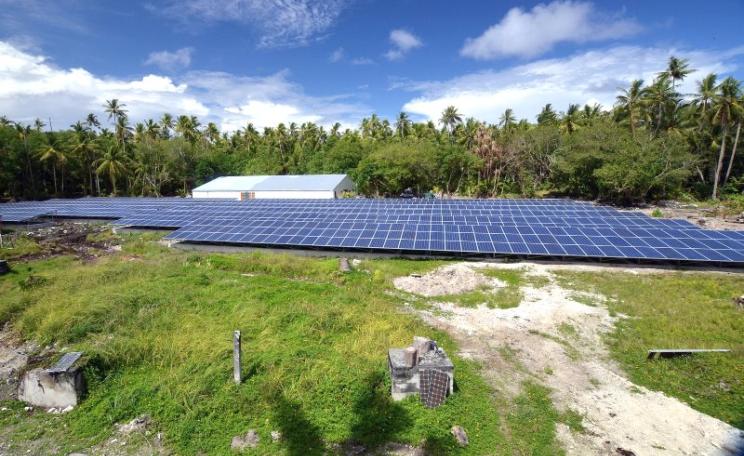
A host of Pacific nations are turning to renewable technologies to satisfy 100% of their energy, writes Maxine Newlands. Samoa is aiming to achieve 100% renewable energy by 2017, while Tokelau has already reached 94% including 100% of its electricity.
Monsanto has a simple purpose, writes Pete Dolack: to control the world's food supply, monopolizing seeds and agrochemicals to extract profit from every bite of food we eat. Caring nothing for the disease, poverty and destruction that it causes, it has suborned politicians, governments and regulators to its will. But millions are determined to stop it.
Government plans to enact a 'domestic extremism' law, announced in yesterday's Queen's Speech, threaten to make thought criminals of all who challenge the established order, writes Donnachadh McCarthy. At risk are campaigners, protestors, journalists and all who dissent from Britain's neoliberal corporatocracy.
With barely six months until the Paris climate conference begins, negotiating texts remain a morass of alternative wordings, square brackets and legal uncertainties, writes Illari Aragon. With deep divisions between countries on major points of principle, negotiators are meeting next week in Bonn to thrash out differences - but it's far from certain that they will be able to do so.
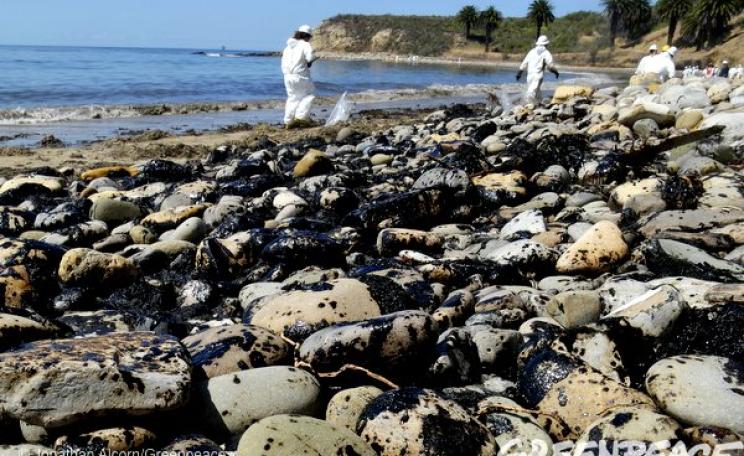
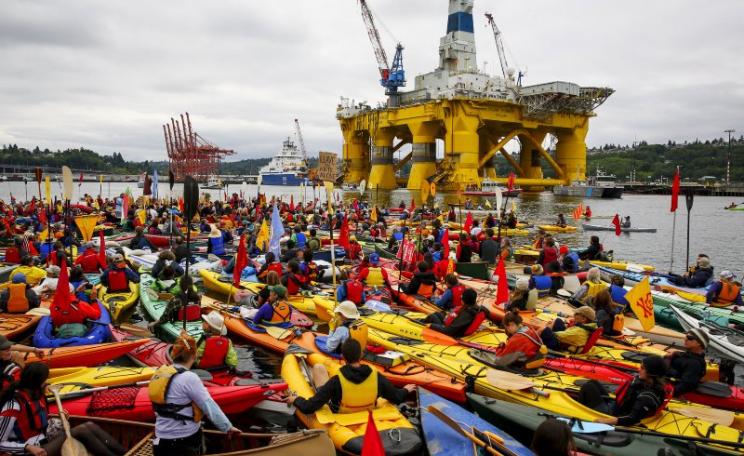
Shell claims a third party audit into its plans to drill for Arctic oil and gas has found 'no issues of significance', writes Joe Sandler Clarke. But the audit remains under wraps, and may never be released in full. Now Obama pledges his support for the project - just as it turns out that Shell selected the 'independent' auditor.
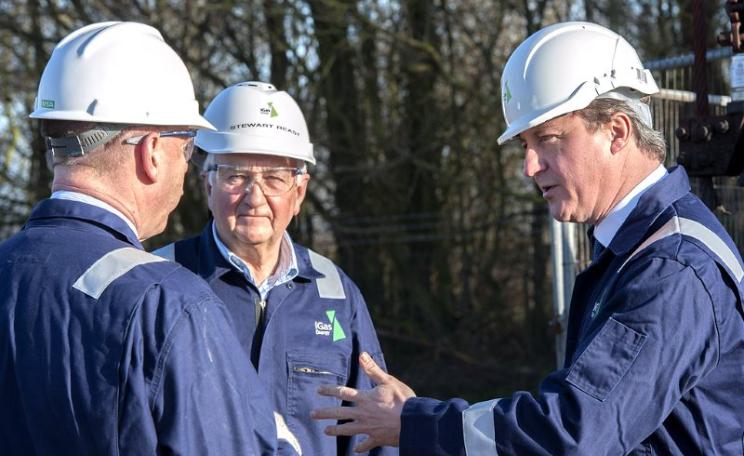
Shale gas advocates say we must open up the UK to fracking to reduce our dependence on Russian gas, writes Tony Bosworth. But why not just burn less of the stuff? Energy efficiency and renewables can achieve the same aim without the adverse impacts on land, water and climate.
Shell's senior management are treading an impossible path, writes Steffen Böhm. On the one hand they accept that climate change is real and serious, and that many of their fossil fuel assets may prove unburnable. On the other, they insist that business as usual will continue for decades to come. It's high time they smelt the coffee!
With the deadline due this year for the full implementation of Wilmar's 'No peat, no deforestation, no exploitation' promise, the oil palm giant is keen to push its green image in Europe. But for communities suffering its land grabs in Nigeria, nothing has changed. While Wilmar spins green rhetoric, its bulldozers are still destroying vast swathes of forest and farmland.
A new report from the IMF has quantified the prodigious subsidies doled out to the fossil fuel industries, writes Pete Dolack - an astonishing $5.6 trillion per year, over 7% of world product, including direct payments, tax breaks and unpaid environmental costs. The obscene scale of public largesse proves the need for a social movement to challenge global energy capitalism.
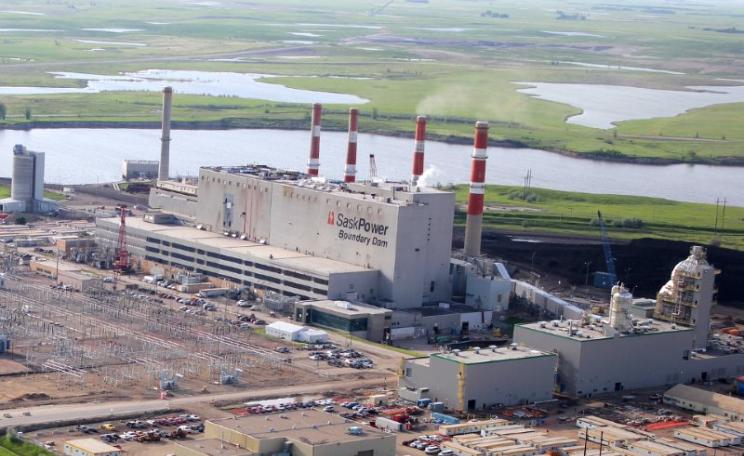
The widely touted 'carbon capture and storage' technology is much more expensive than wind and solar, says a Greenpeace report. It also represents a perverse subsidy to the fossil fuel sector that will only boost coal and oil, and delay the transition to a renewable energy system.
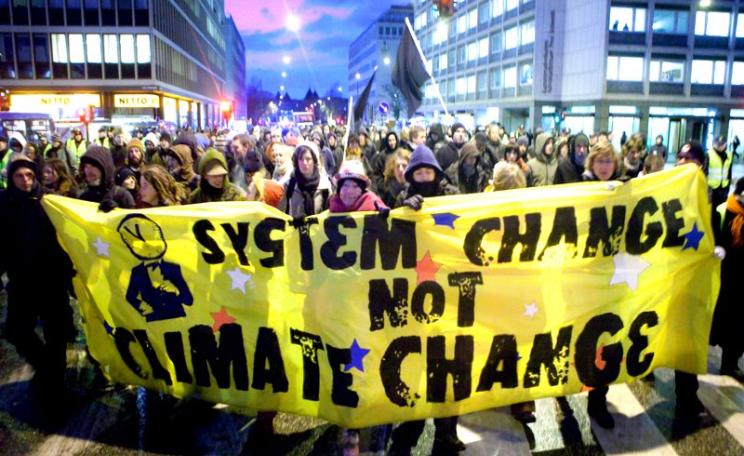
As part of a global week of action campaigners from Divest London have gathered to ‘Raise the Heat' on the Commonwealth Bank of Australia, writes Hal Rhoades - protesting its plan to invest in a ‘carbon bomb' coal project that endangers global climate and threatens to finish off the Great Barrier Reef.
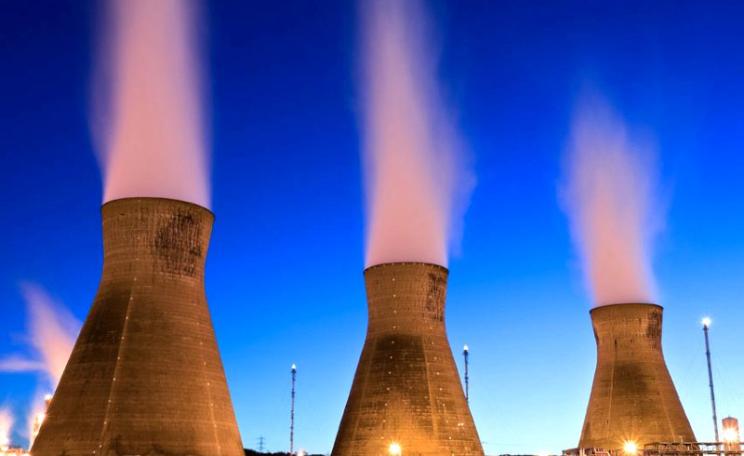
It's odd how often the contribution of nuclear energy is overstated, writes Neil Crumpton, by mixing up 'energy' and 'electricity', while a similar trick to understates the importance of renewables like wind and solar. Even odder is how the mistake always seems to go the same way, to make nuclear look bigger than it really is, and renewables smaller. Welcome to the nuclear 'X factor'!
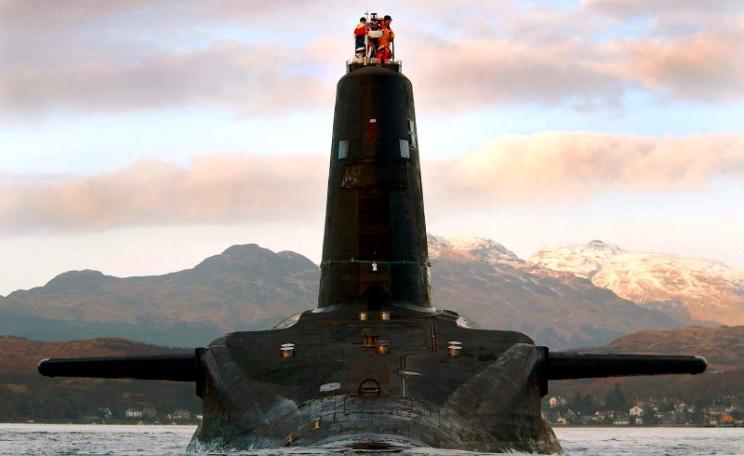
The serious failings revealed by William McNeilly on the UK's nuclear-armed submarines are indicators of a deeper malaise, writes Paul Ingram. With no realistic threat requiring a nuclear response, the whole exercise lacks meaning and purpose, so no wonder standards slip. But as they do so, they endanger us all.