Oxfam ran a competition for low-carbon lifestyles in 2008 – and all three winners were part of the same DIY carbon rationing movement. Jamie Andrews finds out what’s behind the success of CRAGs, and asks why we all haven’t signed up to join the revolution
As the urgent necessity of our transition away from fossil fuels becomes plain, it’s inevitable that some of us will take that necessity seriously enough to explore the edges of ‘normal’ behaviour.
An iceberg sank the Titanic, now it seems international shipping is getting its own back. Jacqueline Savitz reports on an industry given the green light to carry on polluting
Forget environmental considerations, money’s in the driving seat when it comes to approving transport schemes. It’s time to reappraise the appraisers, says Rebekah Phillips
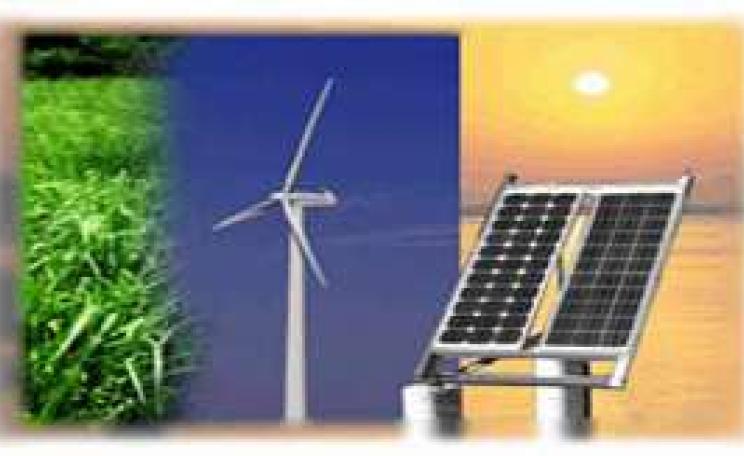
Every year, each square metre of the UK receives between 900 and 1200 kWh of solar radiation. Capturing just some of this energy could make a significant contribution to fulfilling our energy requirements.
The UK has been described as the ‘Saudi Arabia’ of wind, with some 50 TWh of onshore and at least 450 TWh of offshore power available every year, well in excess of our current electricity demand.
There is much talk of the possibility of a future ‘hydrogen economy’, which will power all our vehicles and homes. It is important to remember that hydrogen is not an energy source; it is an energy carrier. To obtain hydrogen it must be split from either natural gas or water molecules. The former, most widely used, method not only requires energy but also gives off carbon dioxide (CO2) in the process. Hydrogen produced in this way requires more energy to make than will eventually be returned when it is used. It makes more sense from a climate perspective to burn the natural gas itself than to convert and re-convert it to hydrogen in this way.
Even among green campaigners, nuclear energy is quietly gaining ground as a potential solution to the impending energy crisis. However several issues – particularly those of raw materials, cost and waste – remain unaddressed within the mainstream of opinion.
Each year, UK livestock produce some 60 million tonnes of collectable faeces. If left to run into water-courses or even spread on fields, this waste can lead to the same problems associated with excessive fertiliser use – algal blooms and aquatic life starved of oxygen.
Clean Coal Carbon capture and storage (CCS) is the technology of stripping carbon dioxide from the exhaust gases of fossil fuels and then burying it as a liquid underground.
A leaked document revealed by the Guardian over the summer showing how the Government was preparing to dodge its EU commitments on renewable energy has been borne out in a new round of EU talks.