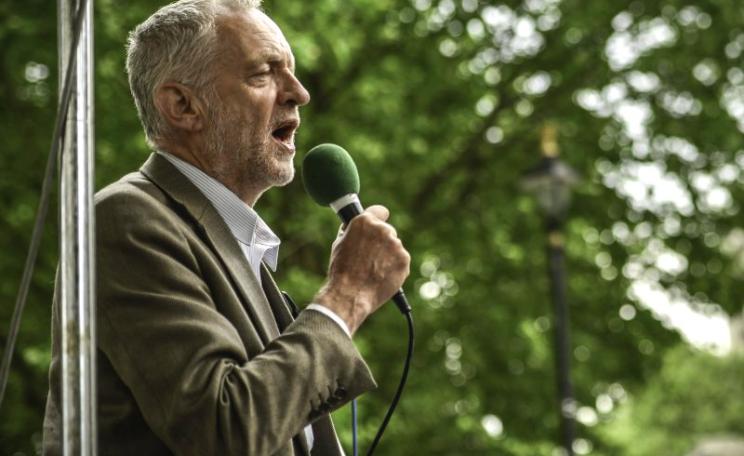
Commitment to action on climate change was once a banner of modernism adopted by by both Tony Blair and David Cameron, writes Leo Barasi. But no longer. The Tories have abandoned it entirely, while the Labour mainstream, in thrall to the twin narratives of 'austerity' and 'aspiration', looks the other way. So how to put climate change back on the centre-left agenda?
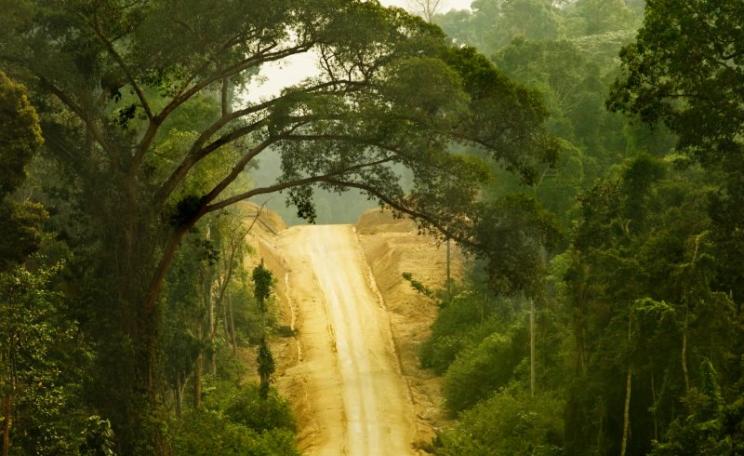
Based on current performance tropical forests, the world's most biodiverse ecosystems, are set to be reduced to species-impoverished fragments by the end of the century, writes Simon Lewis. But it's not inevitable. Decisive action by the world's governments in Paris in December could secure desperately needed change.
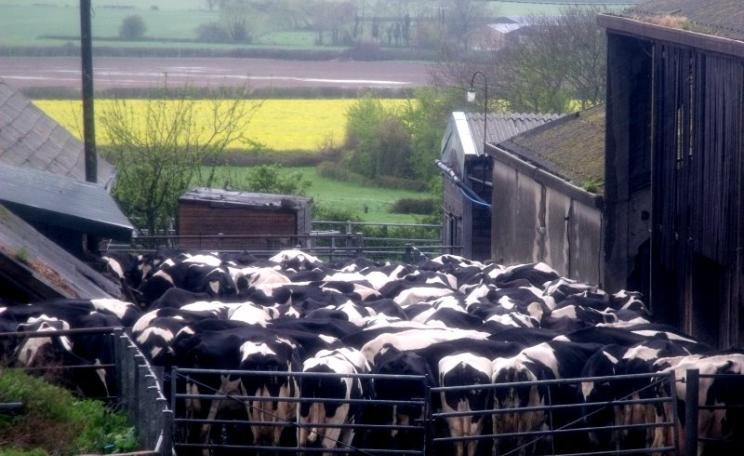
Just as the banks are 'too big to fail', so Britain's struggling dairy farmers are 'too small to save', writes Simon Fairlie. And it's not just the government that's happy to see 16 dairy farms go the wall every week - it's also the National Farmers Union to which most pay their dues. The NFU's paradoxical response to the milk glut is to push for ever higher, more intensive milk production.
A transformative, progressive political agenda focused on human wellbeing has morphed into a new form of behavioral management, writes William Davies. Happiness itself has been packaged, commoditised and put to the service of capital - and if you haven't got it, the Happy New World has no place for you.
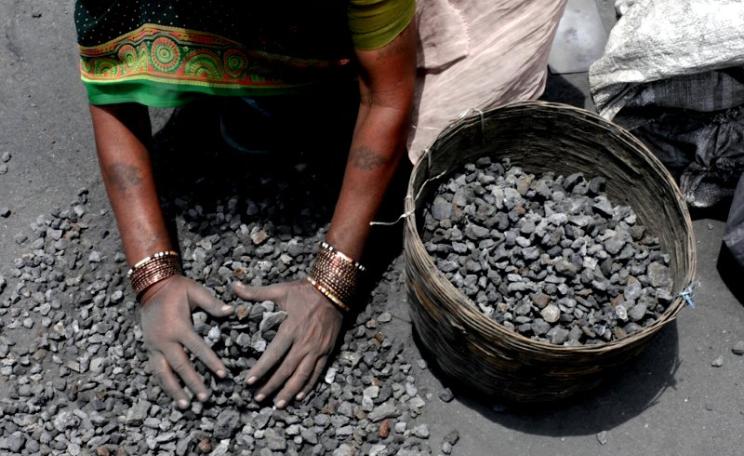
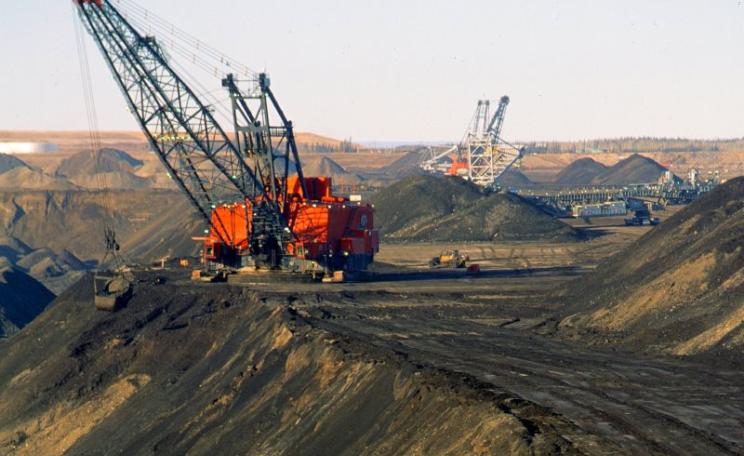
Coal companies and their 'sceptic' shills have almost given up on denying climate change, writes Brendan Montague. The new message is that coal is essential ... to end world poverty! And those who advocate climate action are 'harsh, cold-hearted' beasts. The one thing that hasn't changed? It's all lies.
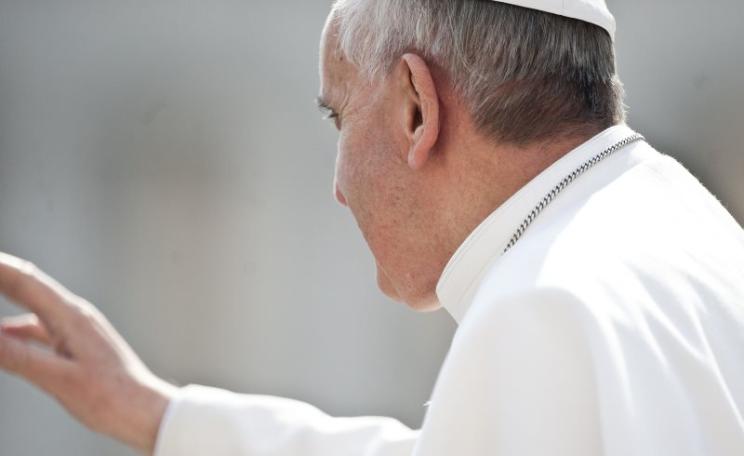
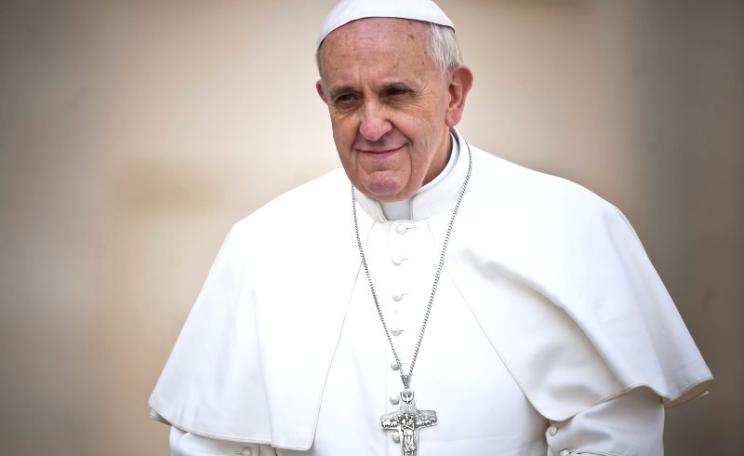
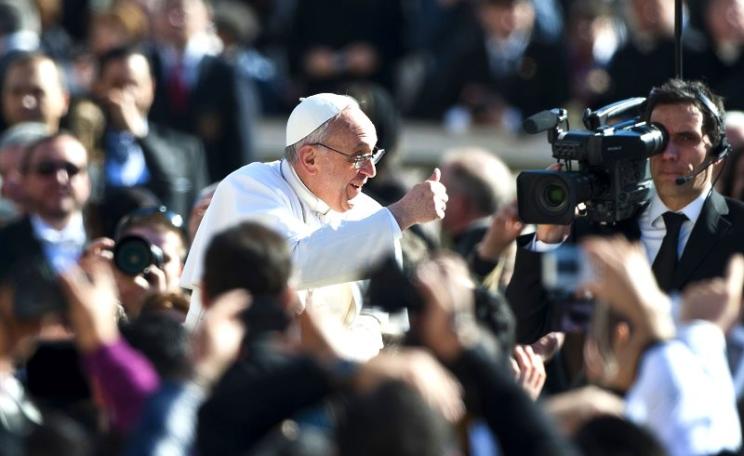
The world has become intolerable for people everywhere, and for Earth herself, says Pope Francis. Profound, transformative change leading to social and economic justice is now an absolute necessity and something we must all fight for. We must also act to safeguard the Earth herself, our common home.
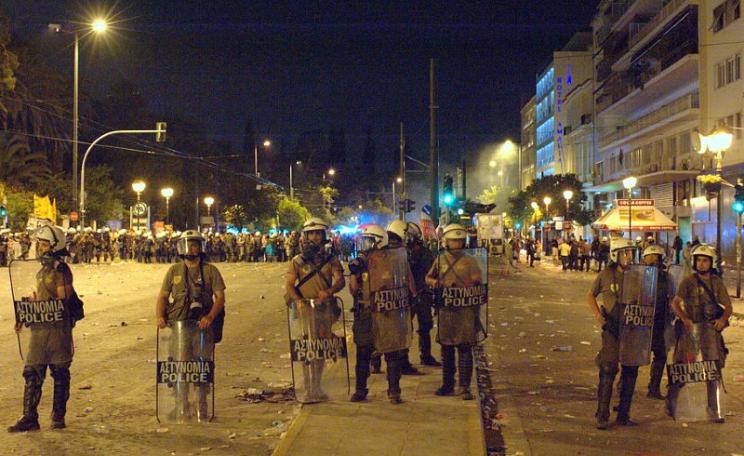
Supporters of Greece's fight for sovereignty are unanimous in blaming the evil troika for its humiliating defeat, writes Oliver Tickell. But the real fault is with Syriza for their needless, shameful surrender. Now, as the real battle begins, we must hold firm with the Greek people against neoliberal occupation.
In her new book The Vandana Shiva Reader, the celebrated campaigner and scientist deplores the way in which the Green Revolution forced India's poorest farmers off their land, writes Colin Tudge. Now she fears even worse outcomes in Africa where a GMO-fuelled farming revolution is under way.
Within minutes of Labour's election defeat its MPs were denouncing Miliband for failing to 'embrace aspiration' and alienating 'wealth creators', writes Ben Whitham. But the real problem was that he never expressed a coherent alternative to neoliberalism and austerity, presenting at best a 'Tory lite' agenda that failed to inspire. And who are the real wealth creators anyway?
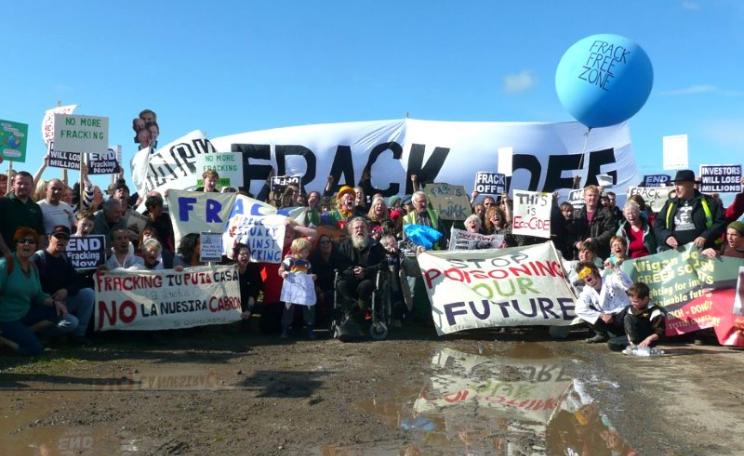
House prices could fall 7% near fracking rigs, according to the 'secret' Defra report on fracking in rural areas, only published in full after a legal battle, while leakage of waste water could damage human health and contaminate food.
We must beware an 'environmental' agenda that excludes the human dimension, Pope Francis writes in his recent Encyclical: the poor are least to blame for the ecological and climate crises, yet they are its primary victims. Humanity must make enduring decisions about the world we and our children will share.
Technology is crucial to all the big issues, but criticism is hampered by mythologies and structures of power, writes David King. Designed by and for corporate interests, modern industrial technologies embody a 400-year old technocratic philosophy of control of nature and people which must be confronted.
The Encyclical published today by Pope Francis represents a profound religious and philosophical challenge to the mainstream narratives of our times, writes Steffen Böhm, and a major confrontation with the great corporate, economic and political powers, as it spells out the potential of a new world order rooted in love, compassion, and care for the natural world.
The UK government has showered £500 million of its aid budget on 'partnerships' with global corporations that are meant to help the poor, writes Kevin Smith. Surprise - an independent assessment has found that the only ones to benefit were the companies themselves. This ideologically-driven farce must stop now!
Some things are beyond measure and beyond price, writes Charles Eisenstein. No amount of money is enough to compensate for the loss of the sacred or the essential - and to pretend that it is, is to capitulate to the very mentality that is driving the destruction of the biosphere.
The 'death of peak oil' has been much exaggerated, writes Paul Mobbs. Take out high-cost 'unconventional' oil and production peaked ten years ago, and even North America's fracking and tar sands boom has failed to open up new resources both big enough to make good the shortfall, and cheap enough to reward investors. We really do need to be thinking 'beyond petroleum'.
As the Greens announce anti-austerity policies in their election manifesto, Bennet Francis & Rupert Read examine the austerity narrative - and find it doesn't add up. By insisting that deficit reduction is necessary for growth, the politicians of austerity undermine the very meaning of the 'prosperity' they promise us.
Our system of money created by banks for their own profit is no longer fit for purpose, writes Duncan McCann. We need new money systems designed for sustainability and wellbeing that allow us all to achieve financial security and freedom from debt - not just the super-rich1%!
Easter is a time when - chocolate munching aside - it's still possible to take a step back from consumer-capitalism, writes Frederick Trainer, and pause to think where it's getting us. The sad fact is that so long as society is driven by consumerism, our society can never be ecologically sustainable or just.
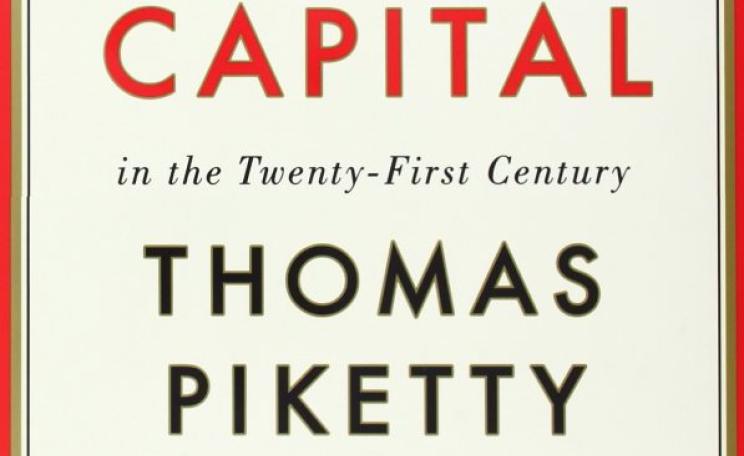
Piketty's 'Capital in the 21st Century' has taken the intellectual world by storm, writes Rupert Read. His analysis of wealth inequality is timely and powerful, but there's one crucial thing he hasn't 'got': that growth must run up against ecological limits - indeed it already has.
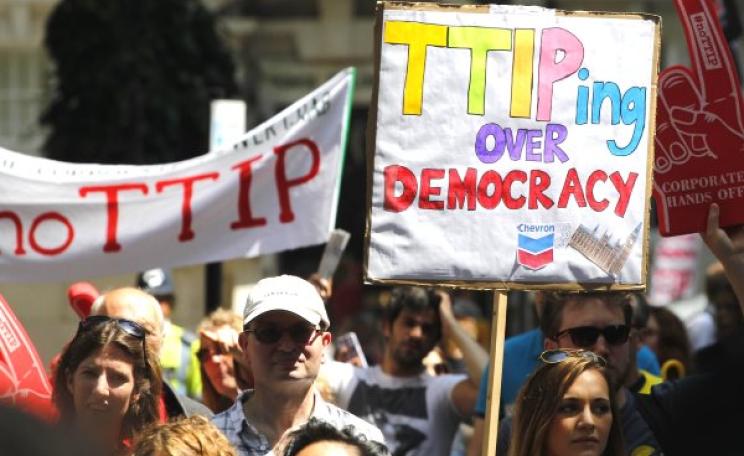
There's only one principle behind TTIP, CETA and other 'free trade' agreements, writes Conor J. Lynch. And no, it's not 'free trade' but 'corporate profit' - at the expense of consumers, taxpayers, environment, workers and democracy itself.
The UK's troubled Hinkley C nuclear power station faces a legal challenge from Germany's biggest energy co-op, which claims that the subsidy package will distort energy markets across Europe and disadvantage renewable generators and vendors.
The UK will soon complete a record year for solar installations, almost doubling the nation's solar capacity. But drastic and overtly discriminatory changes to support for renewables may see solar installations collapse to 1% of current levels.
Modern economies depend on growth, writes Giorgos Kallis: the moment it stops, we all get poorer, government tax revenues decline and unemployment rises. So is it possible to have prosperity without growth? Yes it is - and here's how ...