Four of Britain's major unions are big supporters of nuclear power, writes Ian Fairlie - all because of the jobs. Now Labour's shadow energy minister has joined them in backing Hinkley C - even though renewable energy is a far better job-creator than nuclear, and already employs three times more people.
Hydrogen made from renewable electricity is already fuelling vehicles at affordable prices, writes DAVID THORPE. But now the 'green' fuel is set to go from niche to mainstream - powering not just cars, trucks and buses, but storing surplus renewable energy on sunny and windy days, then to be burnt in gas turbines or fuel cells to supply the grid with reliable power on demand.
New York state recently set a terrible example by approving a $7.6 billion bailout of failing nuclear power plants, writes PETER BRADFORD. But other states aren't following. including California and Nebraska, where a host of highly competitive clean energy technologies are filling in the power shortfall left by nuclear closures, at much lower cost. It's time to let old nuclear reactors die.
New technologies are coming on stream that can turn sunlight and wind into liquid fuels for vehicles, homes or power plants, writes Chris Goodall. And by powering the process using 'free' renewable energy on sunny or windy days, the fuel will be as green as can be, and cost less than petroleum.
This month wood pellet mills in the southern US that supply the UK's Drax power station were awarded 'sustainability' certificates under a voluntary scheme governed entirely by energy companies. The certificates provide no credible guarantee that the fuel does not come from ecologically valuable natural forests and wetlands, clear-cut and replaced by industrial plantations.
As global temperatures reach new monthly highs and the Middle East is hit by record heatwaves, we might be forgiven for sliding into hopelessness, writes PAUL ROGERS. But a host of innovations in energy technology means that a carbon-free energy future is not just possible, but affordable. The first of the three paradigm shifts required to transform the climate change outlook is in place.
Ten advisers and civil servants working in DECC, the former UK energy department, were seconded from EDF or had other links to the company, writes Joe Sandler Clarke. This may help to explain the 'preferential treatment' EDF has received over the 3.2GW nuclear power station it wants to build at Hinkley Point in Somerset.
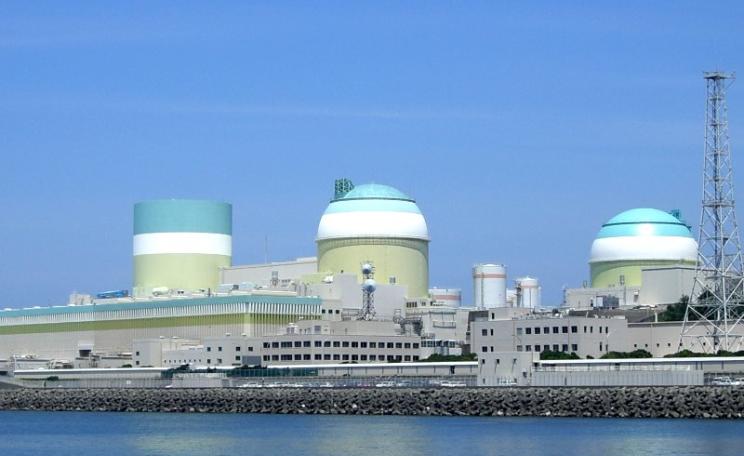
For all Japan's talk of 43 'operable' nuclear reactors, only two are actually running, writes Jim Green, as renewables and a 12% fall in demand eat into the power market. And while Japan's 'nuclear village' defends safety standards, the IAEA, tasked with promoting nuclear power worldwide, has expressed deep concerns over the country's weak and 'fragmented' safety regulation.
The government's surprise delay in signing the contract with EDF to build the Hinkley C nuclear power station has opened up a the space for a forward-looking UK energy policy, writes Jonathon Porritt - one that moves us into the world of low cost renewables, and smart new technologies vital to the global clean energy transition. But is Business & Energy Greg Clark for real? Don't rule it out!
Uranium mining is a dirty business that we didn't clean up but sourced out to less demanding countries, so why isn't this being discussed in any debate about nuclear energy asks NICK MEYNEN
New York has approved a massive $7.6 billion subsidy to keep four ageing upstate plants open on the false promise that they provide 'clean and renewable energy', writes Karl Grossman. Campaigners for genuine clean energy fear that other pro-nuclear states may follow NY Governor Cuomo's dubious lead.
Brazil's new neoliberal government is intent on building a massive new dam deep in the Amazon rainforest on the on the Tapajós river, writes Helle Abelvik-Lawson, obliterating the indigenous territory of the Munduruku people in defiance of their constitutional rights.
The huge marquee for VIP nuclear guests was already erected at the Hinkley site; champagne was already on ice; VIPs were en route to Somerset to party at the final breakthrough, when hundreds of thousands of contractual pages were due to be authorised with co-signatures of the contracting parties. Suddenly, everything was off. So what really happened asks DAVID LOWRY
Australia's Prime Minister Malcolm Turnbull has handed the environment portfolio to the energy minister in an attempt to calm climate sceptics. But will it work? Ecologist writer Maxine Newlands reports.
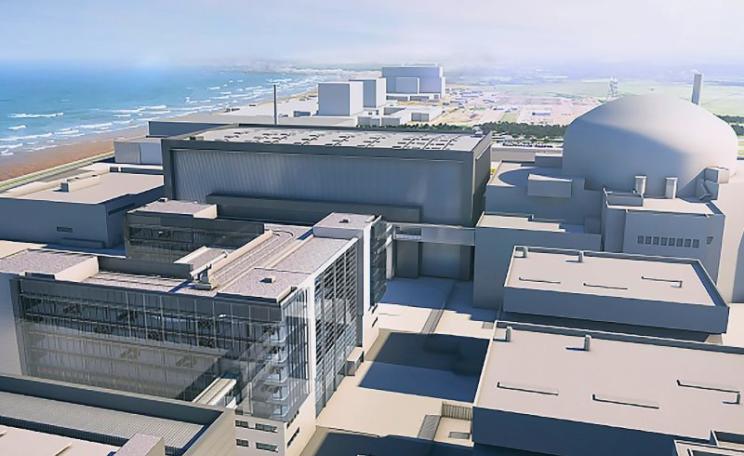
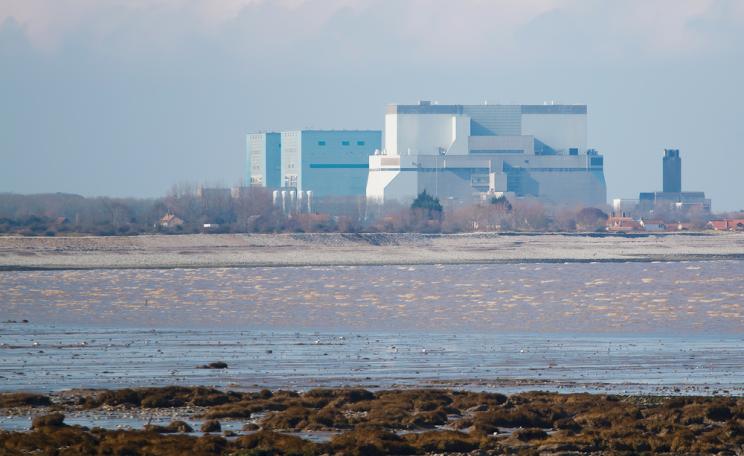
French energy giant EDF will today give the formal go-ahead for the Hinkley C nuclear power station in Somerset, writes Chris Goodall. But that's no reason for the UK to sign up to a disastrous deal that will cost us over £1 billion per year for 35 years - money that should be used to support the green technologies of the future.
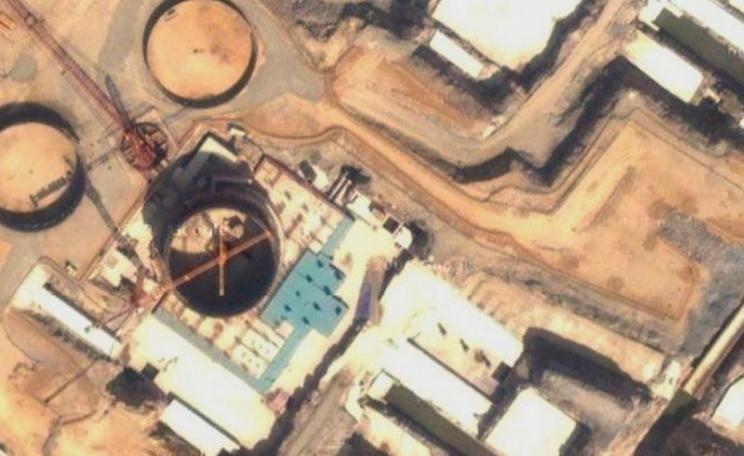
When Theresa May proclaims in Parliament that we need the £200 billion Trident nuclear missile system to see off the North Korean nuclear threat, writes David Lowry, just bear this in mind. It is a threat that the UK, global nuclear proliferator in chief, created in the first place, providing both the reactor technology and vital centrifuge materials to make North Korea's nuclear dream come true.
EDF's 'final investment decision' on the Hinkley C nuclear power station next week will be pure theatre, writes David Toke. The truth is that no concrete is to be poured until 2019 at the earliest. Meanwhile post-Brexit UK is running out of money to pay for it, and EDF is under investigation by the Financial Markets Authority for concealing information on Hinkley from investors.
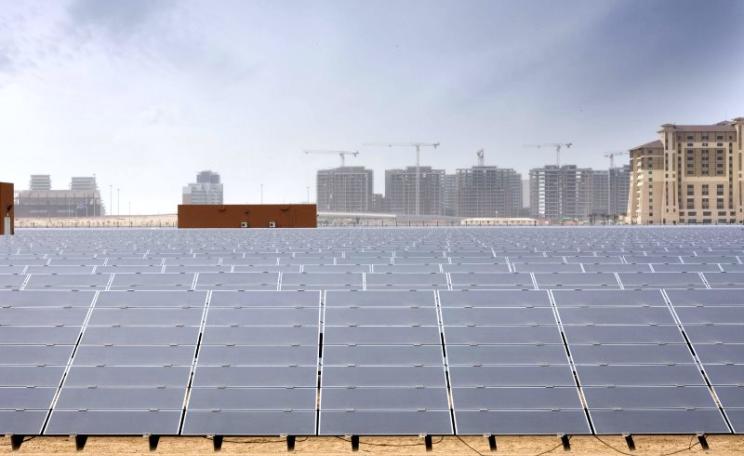
Solar is already the cheapest available power across large swathes of the tropics, writes Chris Goodall - its cost down 99.7% since the early 70s. Soon it will be the cheapest electricity everywhere, providing clean, secure, affordable energy for all.
Traveling in the US by boat and train visiting solar laboratories and environmental groups, Keith Barnham found many successful community initiatives in renewable electricity, and brings news of progress towards the ultimate renewable challenge: a solar fuel that could eventually replace gasoline in cars, trucks, buses, trains and aircraft.
The UK imports millions of tons of American wood pellets every year to be burned in power stations for 'climate friendly' electricity, writes Matt Williams. But his recent visit to the southern US showed him that this practice is devastating beautiful, natural forests rich in wildlife - while the UK government's own research shows that it's worse for the climate than the coal it replaces.
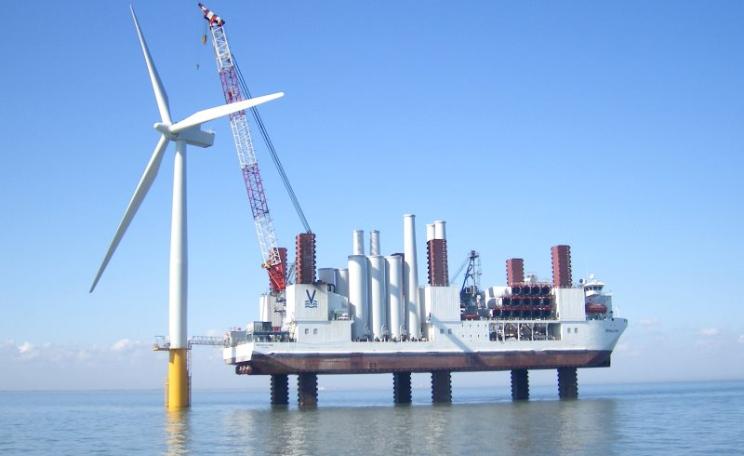
The cost of offshore wind power in the North Sea is 30% lower than that of new nuclear, writes Kieran Cooke - helped along by low oil and steel prices, reduced maintenance and mass production. By 2030 the sector is expected to supply 7% of Europe's electricity.
Last week a massive 350 hectare open cast coal mine at Druridge Bay took an important step towards winning panning permission. This got Chris Goodall wondering: what if the land was turned into a solar farm instead? His surprise discovery: solar power on England's south coast already costs no more than coal - and it's only getting cheaper.
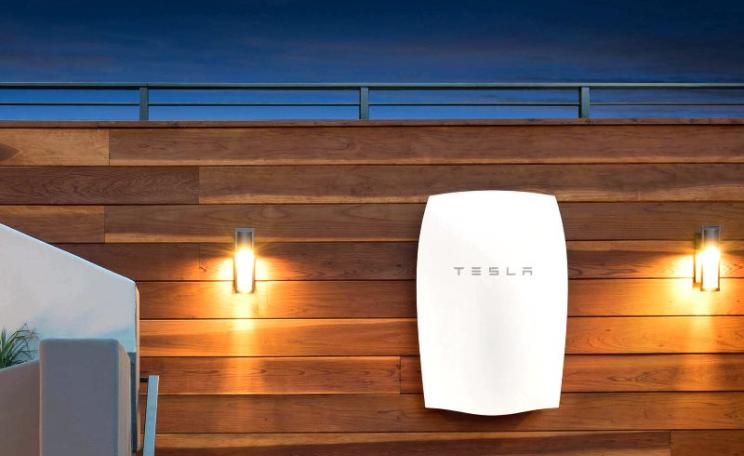
Renewable electricity is already undermining the big energy utilities' business model, writes Emma Howard, breaking their monopoly and bringing down energy bills. But with the unfolding battery revolution, it's going to reach a whole new level as wind and solar powered families and communities become ever more self-sufficient, leaving utilities high and dry.
Campaigners fear that the abolition of DECC, the department of energy and climate change, indicates that climate will take a low priority in Theresa May's policy agenda. Meanwhile the pro-fracking, pro-nuclear Andrea Leadsom is in charge of environment department Defra.