In the face of repeated attempts by the UK government to suppress the nation's solar industry in favour of fracking and nuclear, Jeremy Leggett tells the story of how the solar company he founded in 2000 has not just survived, but driven forward with technical innovation - including its new 'Sunstation' - an integrated 'snap-on' solar generation design that elegantly embeds into roofs.
The EU referendum debate is taking place between different wings of the corporate elite, dominated by assumptions in favour of big business, free trade and endless economic growth, write Helena Norberg-Hodge, Rupert Read & Thomas Wallgren. But to vote for a sustainable future we must adopt a very different, local perspective - one you'll never find in UK's 'mainstream' media.
The government's new 'strategy' for cycling is a feeble attempt to hide huge cuts to local transport budgets with a minute line of funds that would take over 2,000 years to bring the UK up to Dutch cycle lane standards, writes Donnachadh McCarthy. We must demand better!
Celebrities have a unique ability to engage people in environmental campaigns, writes Pat Thomas. Neil Young is a case in point: his latest album, The Monsanto Years, conveys an eloquent message of the dangers of GMOs and corporate power, and his upcoming European tour offers green campaigners a unique opportunity to engage a broader public in the fight for a green future.
A constitutional amendment that would allow 'strategic' public works including dams, roads, mines and other mega-projects to go ahead following the mere completion of an environmental impact assessment is being considered by a Committee of the Brazilian Senate, writes Helle Abelvik-Lawson.
The Royal Society has form on GM crops, writes the Soil Association - consistently Gung-ho! for the last 20 years, while refusing to engage with critics of the technology or even accept the existence of any problems. Its latest effort represents more of the same, while exposing this once August body to ridicule for its egregious scientific howlers.
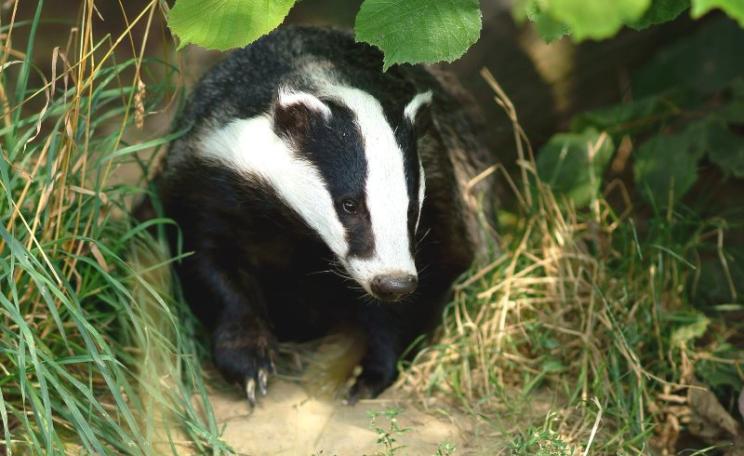
The lives of all the thousands of badgers slaughtered in the name of TB eradication have been lost in vain, writes Martin Hancox. The cryptic reservoir of bovine TB is the cattle themselves, and no amount of badger killing will make the slightest difference to the problem. Once we have grasped this reality the solution is astonishingly simple: improved TB testing that picks up all infected cattle.
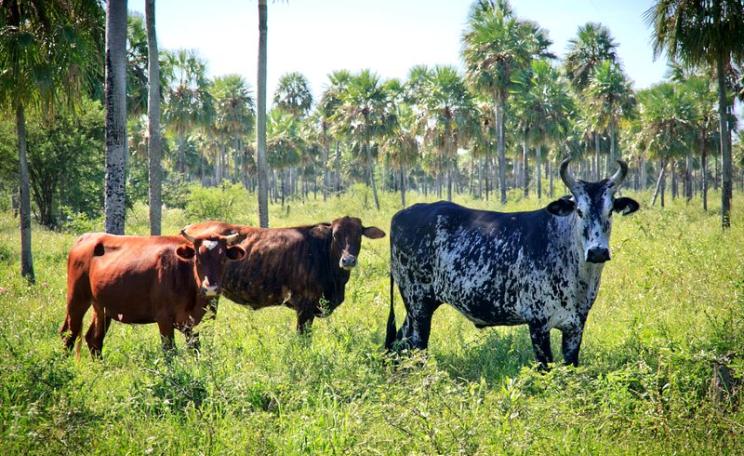
The closing down of a community radio station in eastern Paraguay is the latest example of political repression in the country with the most unequal land distribution in Latin America, writes Toby Hill, and in which the media are dominated by a tiny elite of the super-rich. As small farmers begin to reclaim the land that is rightfully theirs, landowners and the state they control are striking back.
The inspiration for the pioneering Footprint Identification Technique (FIT) technology sprang from an unexpected source - traditional ecological wisdom. Conservationists Zoe Jewell & Sky Alibai explain how that happened.
The inspiration for the pioneering Footprint Identification Technique (FIT) technology sprang from an unexpected source - traditional ecological wisdom. Conservationists Zoe Jewell & Sky Alibai explain how that happened.
The inspiration for the pioneering Footprint Identification Technique (FIT) technology sprang from an unexpected source - traditional ecological wisdom. Conservationists Zoe Jewell & Sky Alibai explain how that happened.
From sheep food to chili peppers - the new seed stores being deposited this week at the Arctic Vault take the world a step closer to future food security say the participating organisations
The inspiration for the pioneering Footprint Identification Technique (FIT) technology sprang from an unexpected source - traditional ecological wisdom. Conservationists Zoe Jewell & Sky Alibhai explain how that happened.
The Rampal coal power plant in Bangladesh, near the world's greatest mangrove forest, is a deeply misconceived project that must be abandoned, writes Johan Frijns in this Open Letter to the Exim Bank of India - which is planning to finance its construction. It would severely damage the precious local environment and wildlife, while adding to global climate change and sea level rise.
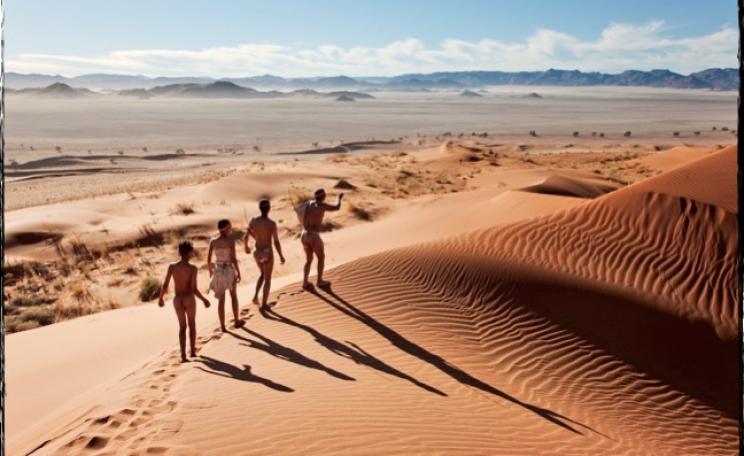
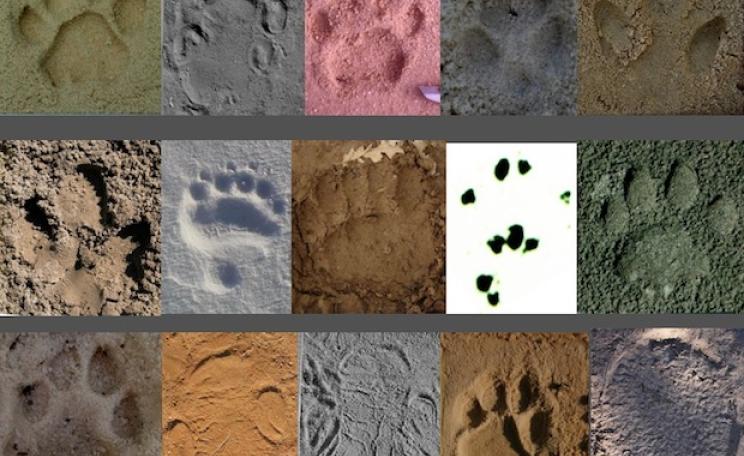
The inspiration for Footprint Identification Technology (FIT) sprang from an unexpected source - traditional ecological know how. Conservationists Zoe Jewell & Sky Alibhai explain how that happened