The British establishment does nothing quite so well as lies, cover-ups and high-level corruption, writes Georgina Downs - whether it's the Hillsborough disaster or permitting polluters to poison us. Georgina won her own High Court legal victory protecting rural residents from pesticide exposure as long ago as 2008 - only to have it snatched away as Court of Appeal judges closed ranks.
Tidal lagoons could generate 8% of the UK's electricity, writes Stephen Tindale, and go on doing so for 120 years to come. With the Hinkley C nuclear project looking ever more dicey, and with promises to shut down coal fired generation by 2025, a promised new tidal lagoon In Swansea Bay would come in very useful. So why hasn't the government included it in the Energy Bill?
Secret documents leaked to Greenpeace from the EU-US TTIP negotiations show that environmental protection, climate change mitigation, consumer protection, public health and sustainability are sacrificed throughout to corporate profit and commercial interests.
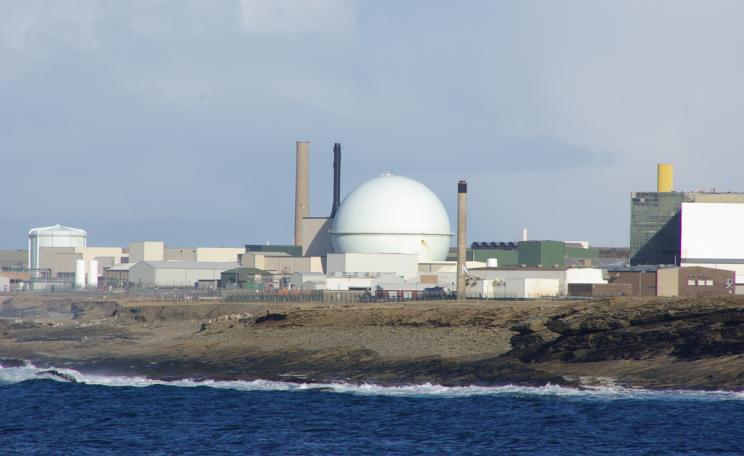
Planned air transports of high-enriched uranium from Dounreay in Scotland to the US state of Tennessee would risk of accident or a terrorist seizure of weapon-usable nuclear material, writes Ernie Galsworthy. The motive for the transport appears to be purely commercial - and would thus put the public at needless risk for the sake of a cut-price nuclear waste / fuel deal between US and UK authorities.
Lacking an official body to investigate and prosecute illegal cruelty to wildlife a unique charity, the RSPCA, took on that role almost 200 years ago, writes Lesley Docksey. But now it has ruffled high-ranking feathers by pursuing cases of illegal fox-hunting, and has been forced to leave prosecutions of such cases to the Crown Prosecution Service. But will the CPS do its job?
Madagascar's unique Spiny Forest, a stronghold for the island's lemurs, is fast being felled for charcoal, writes Charlie Gardner - and it's a knock-on impact of the increasingly unpredictable climate and sparse rains that are forcing farmers from the land. To create a 'safety net' for the forest, first safety nets must be put in place to protect displaced farmers, fishers and pastoralists.
Momentum is gathering behind the UK's transition to a fossil free society, writes Guy Shrubsole. We know we need to leave at least 80% of proven fossil fuel reserves in the ground to avert catastrophic climate change. Here's a quick run-down of progress to date - and the key upcoming fights, including an invasion of the UK's biggest coal mine this weekend.
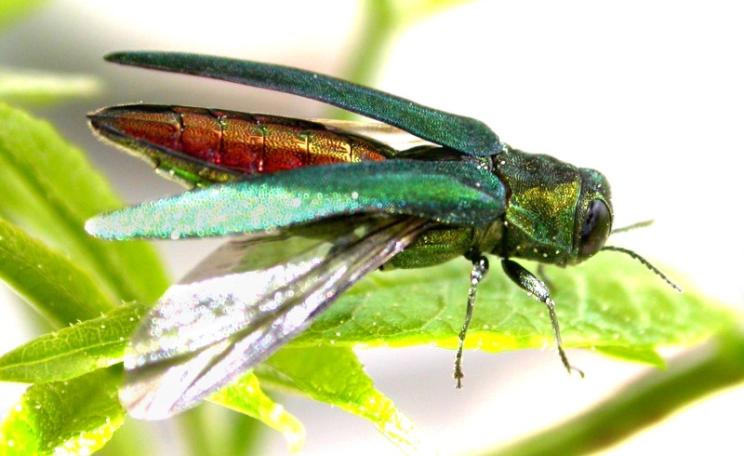
Britain's ash woods are under threat from a fast-spreading 'dieback' disease, write Steve Woodward and Eric Boa. With 3% of ash trees resistant to the fungus, the species should just be able to survive. But now scientists fear the arrival of the Emerald ash borer beetle, already infesting forests in the US and mainland Europe. Could the two combine to push our ash trees into extinction?
A small fishing community in Mexico's Baja California is playing involuntary host to a gigantic tourism and real estate development, writes Viviane Mahieux. And while the branding of the Tres Santos resort is all about mindfulness, ecology and sustainability, the reality is one of big money, high level politics, and the unaccountable deployment of state violence against those who dare oppose it.
Maude Barlow, Chair of the Council for Canadians, has dedicated her life to fighting injustice, and so-called 'free trade' deals in particular. In this interview with Nick Dearden, Maude explained how CETA, the Canada-EU trade and investment agreement, is every bit as dangerous as TTIP, but has somehow escaped the same level of media and campaign focus - and what we can do about it.
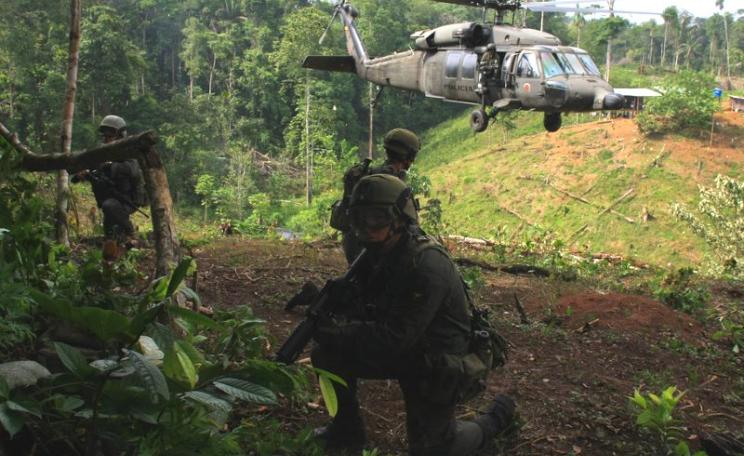
The 'war on drugs' is presented as a necessary battle against social evils, writes Benjamin Ramm. But from the Andes to the Caribbean, prohibition has criminalised both religious and cultural expression. And it's a war that is strictly for the global poor: people in Colorado can grow pot - so why not Colombians?
As a society, we are strangely disconnected from the Earth, writes Stephan Harding. It's as if we were aliens placed here to prod and poke with our scientific instruments whilst feeling no sense of meaning, belonging or closeness to her ancient crumpled surface or rich, teeming biodiversity - a state of mind that a forthcoming course at Schumacher College aims to reverse.
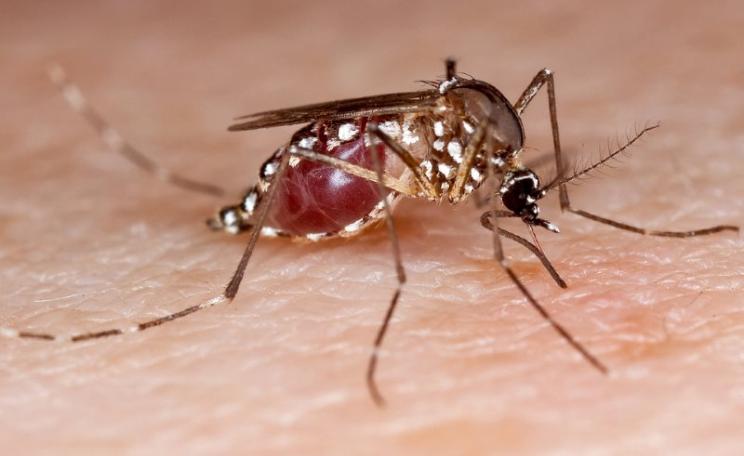
Investment analysts say Oxitec's GM mosquito technology 'won't work, is way too expensive, and is many years from generating even minuscule revenue', writes Claire Robinson. As shares in its owner, Intrexon, slump, three law firms have announced they are investigating.
If we are ever to bring bovine TB under control in Britain's cattle herd, we must begin with the main disease reservoir, writes Tom Langton: the cattle themselves. The insistence on culling badgers has little to do with disease control, and everything to do with the short term economics of the beef and dairy industries, unwilling to sacrifice an iota of production in the interests of a real solution.
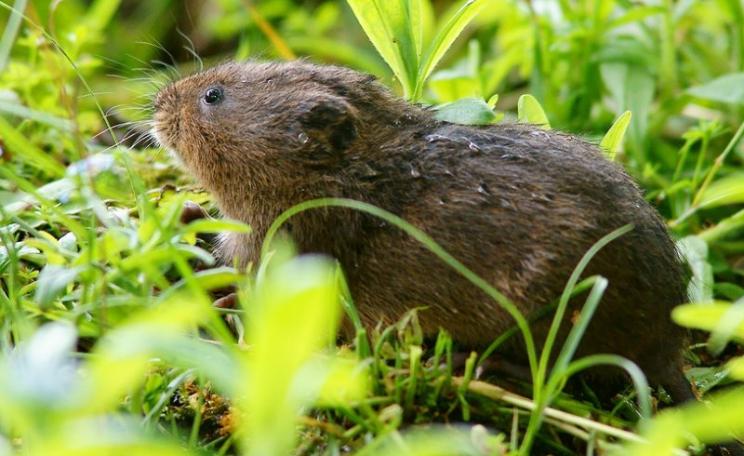
UK water voles face an uncertain future after widespread habitat loss and predation by American mink, write Emily Thomas and Nida Al-Fulaij. But you can help by joining a UK-wide monitoring scheme run by the People’s Trust for Endangered Species that's recruiting nature-loving volunteers to survey local lakes, rivers, ditches and streams for signs of these lovable but elusive creatures.