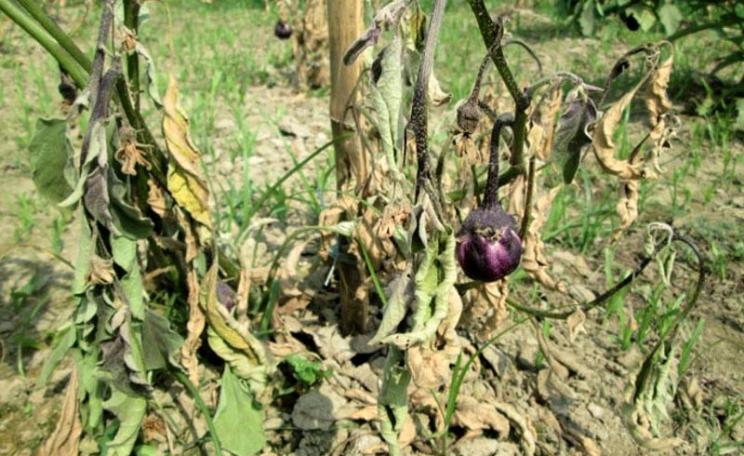
There's absolutely no evidence for BBC Panorama's claim of 90% success for Bt brinjal in Bangladesh, writes Claire Robinson. But that has not stopped the BBC Trust from dismissing all complaints against its monstrously dishonest report. Nor has it diminished the jubilation of GMO cheerleaders.
The proposed Directive on Trade Secrets Protection is meant to repress industrial espionage, write Corporate Europe Observatory & Co-signatories. But under its Draconian provisions, punitive lawsuits, jail sentences and €350,000 fines await journalists, campaigners and whistle-blowers. The European Parliament must reject this wicked law tomorrow!
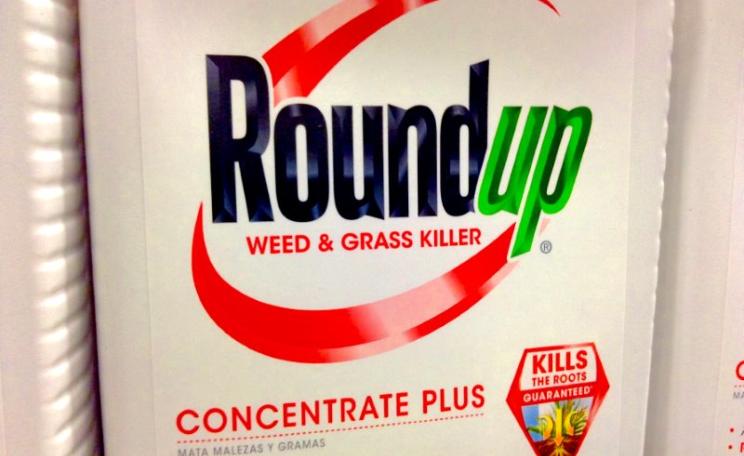
The EU Parliament has responded to the health concerns of millions by calling on the Commission to severely restrict permitted uses of the toxic herbicide glyphosate, including an effective ban on pre-harvest dessication of crops.
Disregarding revelations of systemic political corruption in Brazil's hydropower sector, President Dilma Rousseff is ploughing ahead with a cascade of giant dams on the mighty Tapajos river. Among the companies touting to win huge construction contracts are France's EDF and Engie, and Germany's Voith and Siemens - in a consortium led by Brazil's Electrobras, which stands accused of high-level corruption over four other dam projects.
An exciting new project has been launched to give children a chance to join in the GMO debate, writes Pat Thomas. With young people speaking up and becoming more aware of food, health and environmental issues, they deserve the platform to voice their concerns and join in a wider global network of youth working for positive change in the world they will inherit.
Australian governments have long waged a one-sided war on the continent's Aboriginal peoples, writes John Pilger. And now a new weapon has come into play: the starvation of the most remote, culturally intact communities. It's all part of a multi-faceted program of physical and cultural annihilation. And yet the world is silent.
Documents released to Wildcat Haven reveal the secret plans of the Scottish Wildcat Action Plan - funded by taxpayers and the National Lottery - to kill trapped feral cats by shooting them in the head with shotguns. Public documents mention only neutering, successfully carried out by Wildcat Haven to protect pure wildcat populations.
Large areas of the Great Barrier Reef are dying in what may be its greatest ever 'bleaching' event, writes James Dyke. The mass loss of the photosynthetic algae that sustain the coral is the result of this year's massive 'El Niño' perturbation to Pacific weather patterns, and global warming. Australia's response? The government has just approved leases for the world's biggest coal mine.
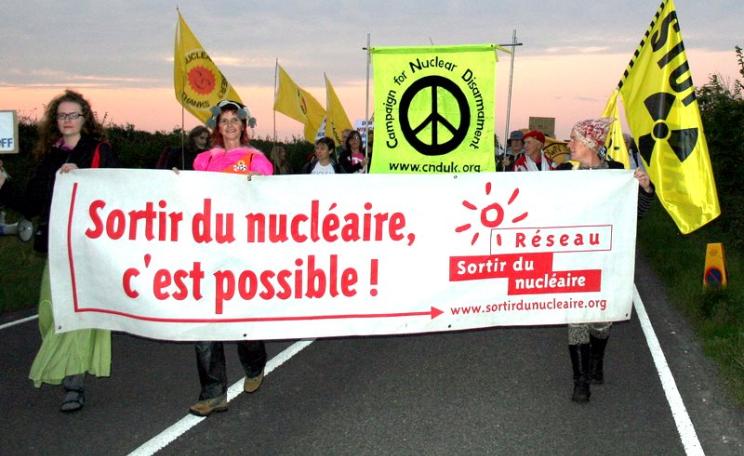
The nuclear industry is forever reinventing itself with one brilliant 'new' idea after another, Amory Lovins wrote in this classic 2009 essay. But whether it's touting the wonders of future SMRs, IFRs or LFTRs, the reality never changes: the reactors they are building right now are over time, over budget and beset by serious, entirely unforeseen technical problems.
There are many good reasons to criticise Donald Trump, writes John McMurtry. But none of these matter to the US media, political and corporate powers determined to keep him out of the White House. With his radical talk of halving military spending, controlling Big Pharma and exiting 'free trade' agreements, Trump is a direct threat to the parasite capitalism that's destroying America.
The global pesticide and bioscience giant Monsanto is a byword for evil for millions of campaigners and concerned citizens, writes JP Sottile. But that has never stopped it getting its way with the people that matter - politicians and regulators. And now the company is on the verge of biggest victory ever - winning clearance to spray biologically active RNA sequences on US crops.
GMO crops are marketed as providing quick fixes to complex problems, writes Julia Wright. But they only perpetuate 'business as usual' farming that's depleting soils, water and biodiversity, and entrench unsustainable models of agriculture in place of agroecological systems that work with, not against, nature.
How to dissent peacefully from the corruption, waste and destruction of the world? By a mindful disengagement from evil, writes Julian Rose: from fossil fuel energy to propagandist media, from sweatshop clothing to the predatory financial system. Some of the steps we can take are easy, others very difficult - but what ultimately matters is the direction of travel.
France's energy minister Ségolène Royal has backed union demands for the EDF's Hinkley C project in Somerset to be re-examined, write Angelique Chrisafis & Chris Johnston - adding that the project must not go ahead if it would 'dry out' funds needed for EDF's renewable energy program.
Of all the impacts of climate change, one stands out for its inexorable menace, writes Pete Dolack: rising oceans. And it's not just for distant future generations to deal with: new scientific studies show that people alive today may face 6-9 metres of sea level rise flooding well over a million sq.km including many of the world's biggest cities. So where's the emergency response?