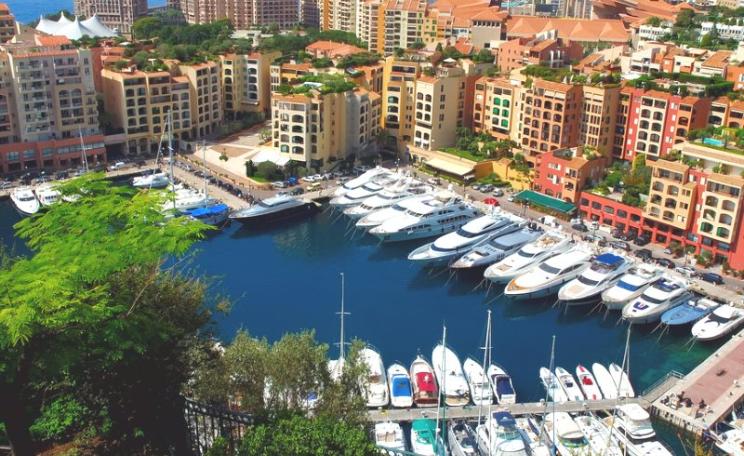
New development financiers like China's Asian Infrastructure Investment Bank are driving a global attack on the environment, writes Bill Laurance. With their fast track 'no questions asked' procedures, they are financing a wave of destructive mega-projects, giving the World Bank and other lenders the excuse to lower their already weak safeguards.
The giant waves that hit Cornwall's coast this weekend form part of a long term trend, writes Tim Radford. Extreme weather linked to global warming is leading to more violent and more frequent storms devastating beaches, ports, infrastructure and coastal communities on Europe's exposed Atlantic coastlines.
Perhaps all the 'do gooders' busy forcing industrial models of agriculture onto poor but independent African farmers really do think they are helping them, writes Colin Todhunter. But if so they are deeply deluded. All they will achieve is the takeover of export-oriented agribusiness and GMOs, the destruction of agroecological farming systems, and a future of debt and landlessness.
The state government of Ekiti sent bulldozers to clear farmland for a new airport without even consulting the farmers who owned it, writes Rose Bridger. Crops, buildings and trees were all flattened. But the farmers fought back - and have now won a major legal victory that will inspire and empower other mega-project afflicted communities across Nigeria, and beyond.
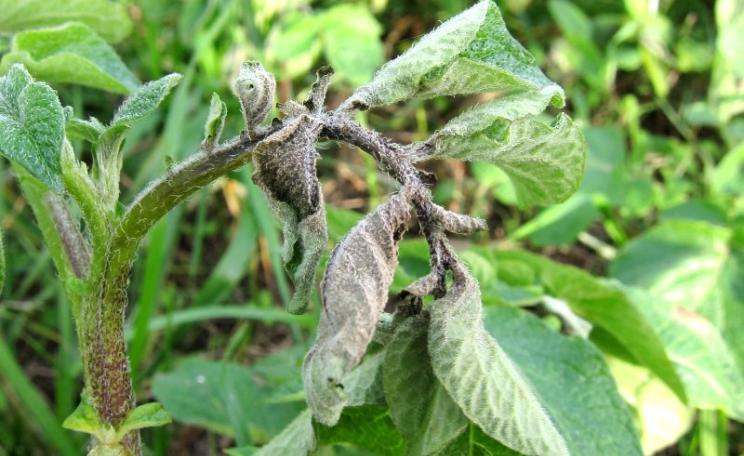
British NGOs have objected to two applications for open-air field trials to grow GM crops. One is for a blight-resistant potato that is much less resistant than existing non-GM varieties. The other is an oilseed to be used as fish food whose fatty acid profile has been subject to only 'rudimentary analysis'.
Tate and now the Edinburgh International Festival have dropped BP sponsorship, writes Chris Garrard, with BP citing unspecified 'challenging conditions'. As indigenous campaigners accuse BP of 'sponsoring death in our communities', it's high time for the British Museum to follow their lead.
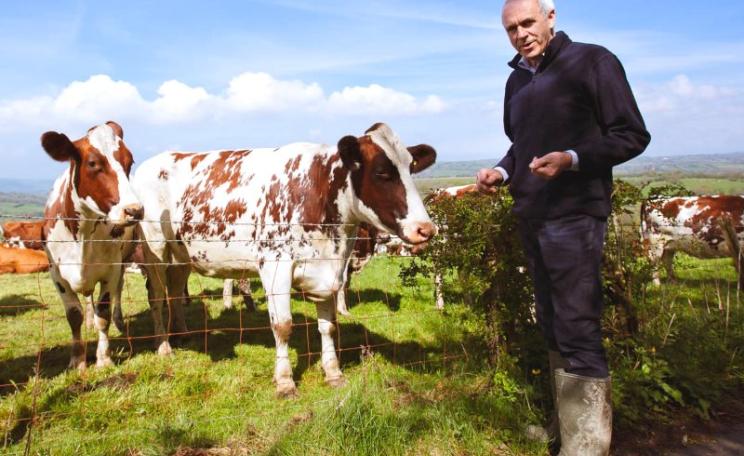
Food has never been more affordable for middle class families in rich countries. But it comes at a high cost: the impact of industrial food production on health, environment and society has never been greater as Patrick Holden explained to Emily Lewis-Brown. Now the real cost of food US production will be examined in a ground-breaking conference in San Francisco.
Just as climate change deniers leap from scientific uncertainty over the precise impacts of greenhouse gas emissions to certainty of little or no impact at all, so 'pro-nuclear environmentalists' conflate uncertainty of the mortality arising from Chernobyl and other nuclear disasters to certainty of few if any deaths, writes Jim Green. Their position is equally indefensible.
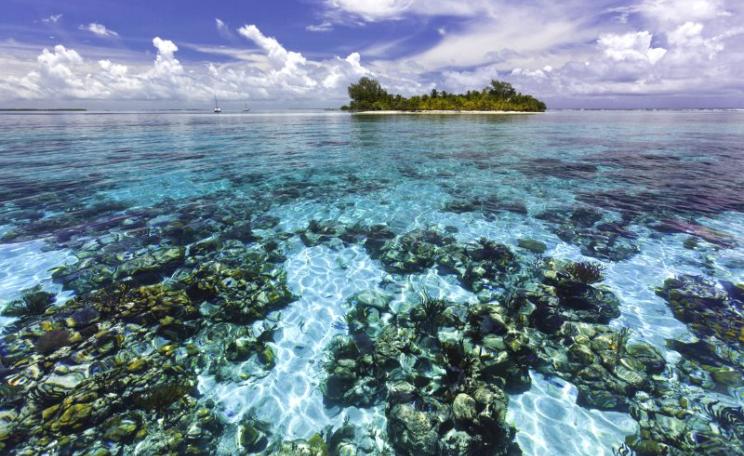
New research from Australia's Great Barrier Reef shows that no-take marine reserves don't just mean more and bigger fish, write Camille Mellin, Aaron MacNeil & Julian Caley. They also boost the resistance of reef communities to disturbances like storms, bleaching and predation, and speed their subsequent recovery. It's time for global rollout of coral reef marine reserves!
Britain is shipping 700kg of highly-enriched uranium capable of making scores of nuclear bombs to the US, writes Gordon MacKerron. The move is a symptom of a huge problem that's afflicting all nuclear nations - what to do with their nuclear wastes? The only real solution is deep geological disposal. But it's politically fraught, technically challenging, very expensive - and has yet to be done.
Never mind Cameron's mealy mouthed denials that he or his family benefit from tax havens, writes Donnachadh McCarthy. The real problem is systemic: Britain's entire political establishment has long been owned by tax haven wealth. Finally a senior politician, Jeremy Corbyn, has the courage to stand up to the unaccountable super-rich.
Precious World Heritage Sites that protect vital biodiversity and human cultures are at risk from oil decelopment and other industries. Under threat are not just nature, wildlife, land and water but the 11 million people who depend on the 114 sites' environmental quality for their livelihoods.
Tesla's Powerwall battery may be the poster-boy of the forthcoming dynamic power grid, writes Margaret McAll. But a far more accessible, low cost solution beckons: grid-interactive water heaters can soak up excess power from peaking renewables, reduce expensive peak demand, and cut power companies' need to invest in generation and distribution.
The dolphin drive hunts in Taiji, Japan have officially ended for the season, writes Ric O'Barry, however the offshore pilot whale hunt continues until the end of May. After a particularly brutal year, which culminated in my arrest and deportation from Japan, we at Dolphin Project will continue our crucial work to end the annual barbarity of cetacean killings and captures.
Illegal gold mining in the Amazon has a devastating effect on indigenous peoples, writes Sarina Kidd. First the miners bring disease, deforestation and even murder. Then long after they have gone, communities are left to suffer deadly mercury poisoning. Now the UN has been called on to intervene.