Koide Hiroaki has spent his entire career as a nuclear engineer, and has become a central figure in Japan's movement for the abolition of nuclear power plants. He met with Katsuya Hirano and Hirotaka Kasai to discuss the catastrophic nuclear meltdowns at Fukushima Daaichi in March 2011, and the crimes and cover-ups committed both before and after the event.
Cancer is just one of of the outcomes of the genetic damage inflicted by nuclear radiation, writes Chris Busby, and perhaps one of the least important. Of far greater long term significance is the broad-scale mutation of the human genome, and those of other species, and the resulting genomic instability that causes cascades of heritable mutations through the generations.
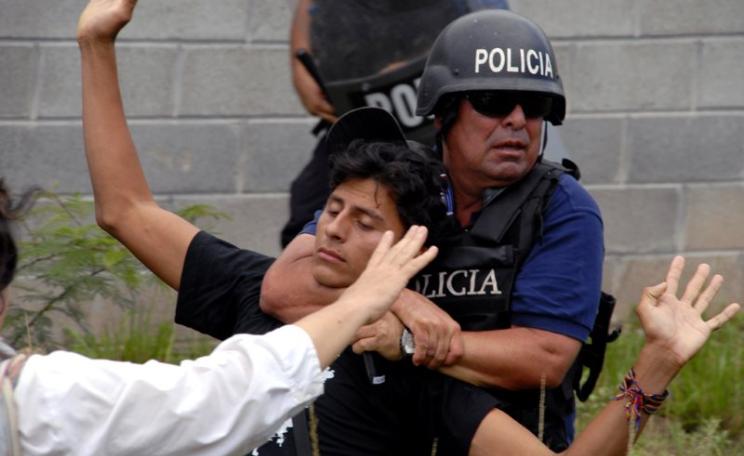
Less than two weeks after the murder of Honduran eco defender Berta Caceres, another indigenous leader has been shot dead during the violent police and military eviction of 150 families from the settled community of Rio Chiquito. International funders of the controversial Agua Zarca hydro project are now backing out..
Is the UK sinking into authoritarian rule? That's how it looks, writes Jonathon Porritt, as the government joins with right wing media and fossil fuel companies to attack local democracy and environmental campaigners. Is this 'merger of state and corporate power' a sign of more, and worse, to come?
Barring a miracle Marco Rubio is set to be Trumped in the Republican primary tomorrow in Florida, his home state, putting an effective end to his campaign. But it's not for want of support from one of the US's biggest frackers, Devon energy, and its politically active CEO Larry Nichols. And with or without Rubio, Nichols's influence on the red states' energy policy is only going to get bigger.
Climate change is perhaps our generation's greatest challenge, and few people are better placed to know it than academics in our top universities, writes James Dyke. But they are still accepting huge sums of fossil fuel money, in the process helping donors in their quest to extract and burn ever more coal, oil and gas. This must stop.
A dusty film of pollution is muting the reflective whiteness of Greenland's pristine icecap and making it vulnerable to accelerated melting rates, writes Tim Radford. And as warming continues, the declining reflectivity of the ice is accelerating the process.
The craze for selfie photographs has reached an all-time low, after a recent spate of animal deaths have been linked to achieving the perfect picture, writes Laura Bridgeman. But why do people exhibit such a careless attitude to animal welfare when we normally show such apathy? Cultural conditioning may have the answer.
To understand how technology is used in the real world we must appreciate who owns and controls it, writes Colin Todhunter: whose interests it serves, and how it works in an economic system driven by profit, geopolitics and the compulsion to capture and control markets - while the monopolists proclaim a noble ideology of 'free choice' and 'democracy'.
Oil giant BP is the UK's single biggest EU lobbyist, spending over £2 million reaching out to European policy makers in 2014, new figures show. But citing hard times, the company has dropped its controversial sponsorship of the London's Tate Galleries - and more such branding deals may bite the dust.
Media furore over the shooting down of a helicopter in Tanzania masks a bigger picture of commercial hunting and evictions of indigenous tribes in the name of wildlife, writes Navaya ole Ndaskoi. It's time to rethink 'white saviour' mythology and develop new models of conservation that respect and engage with African communities, recognise their achievements, and inspire a new generation of conservation heroes.
What was NATO's violent intervention in Libya really all about? Now we know, writes Ellen Brown, thanks to Hillary Clinton's recently published emails. It was to prevent the creation of an independent hard currency in Africa that would free the continent from economic bondage under the dollar, the IMF and the French African franc, shaking off the last heavy chains of colonial exploitation.
The BBC has been excelling itself in its deliberate understatement of the Fukushima nuclear catastrophe, writes Chris Busby. While calling in pseudo experts to say radiation is all but harmless, it's ignoring the science that shows that the real health impacts of nuclear fallout are around 1,000 times worse than claimed.
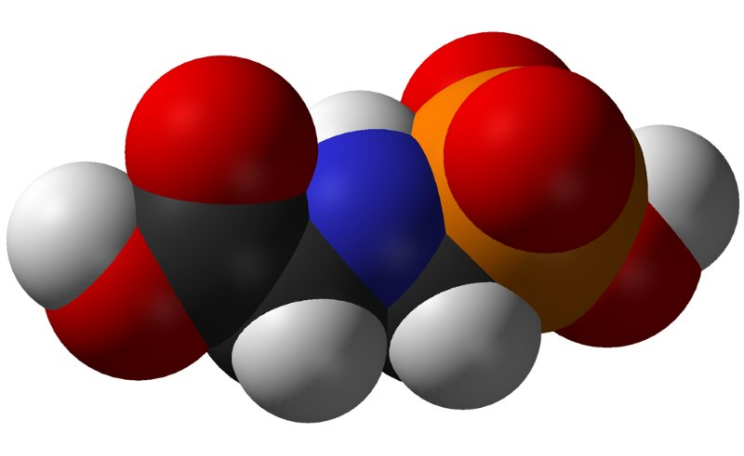
With industry spinning that glyphosate is harmful to health, if at all, only with co-formulants like tallowamine, the World Health Organisation's cancer agency IARC has just released a Q&A document (below) stating that 'pure' glyphosate poses similar cancer and genotoxicity risks as its formulations. Banning particular co-formulants, as proposed by some EU countries, does not solve the problem.