A new study shows that 99.6% of Germans are contaminated with the herbicide glyphosate, writes Nicole Sagener. The news comes as the EU puts off a crucial decision on whether to re-authorise the chemical, described by IARC as 'probably carcinogenic', until 2031.
After beavers' reintroduction to Scotland, landowners have accused the native rodents of damaging the environment, causing floods, and worse, writes Louise Ramsay. But the public have rallied to the cause of these charming, beneficial creatures, leaving conservative landowners isolated. Could the shift in sentiment trigger long overdue change in the Scottish countryside?
The lead poisoning crisis in Flint, Michigan is just the tip of a vast iceberg of lead contamination afflicting mainly urban black communities, writes Leif Fredrickson. A rigid 'race bar' on postwar suburban housing and mortgages left black families in inner cities, exposed to flaking lead paint in run down housing, leaded gasoline residues and lead pipework. Now is the time to correct this shocking historic injustice.
As if Iraq has not suffered enough under Saddam Hussein, the vicious UN sanctions regime, the US-UK occupation and the depradations of Daesh, a new threat looms that could kill a million people or more, and destroy Baghdad and a string of other cities along the Tigris river. The porous rocks beneath the Mosul dam are dissolving away and the entire edifice could collapse at any moment, releasing 11 cubic kilometres of water.
After ten massive renewable energy cuts that are leaving the UK falling well short of EU renewable energy targets, an eleventh! The axe is now falling on solar heating, writes Oliver Tickell - even though it's meant to be at the core of the government's renewable energy strategy.
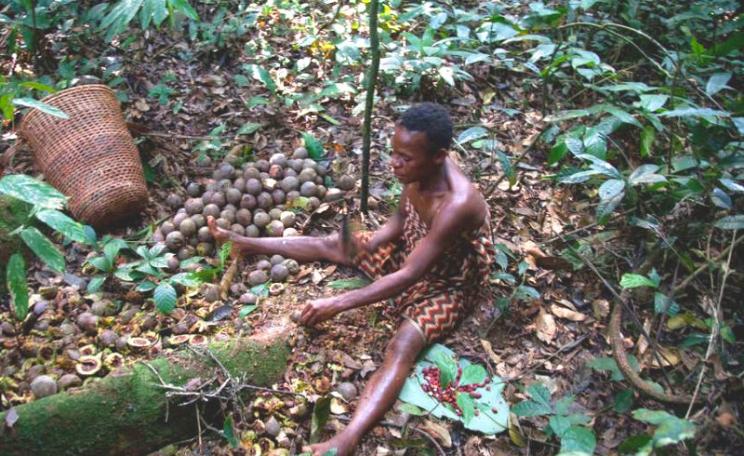
WWF’s support for 'fortress conservation' has led to serious human rights abuses for indigenous peoples, writes Lewis Evans, and nowhere more so than in Cameroon, where the Baka are considered trespassers and poachers in their own ancestral forests. A formal complaint against WWF's behaviour is now in process.
The small country of Denmark is making a big commitment to renewables, aiming to be fossil-fuel free by 2050, writes Laurie Guevara-Stone. A large expansion of mainly offshore wind power features large, along with moves to a 'smart grid', high vehicle taxes and energy conservation initiatives. Denmark is well on its way to becoming the energy leader of the EU.
Berta Cáceres, Honduran indigenous and environmental rights campaigner, has been murdered, days after she was threatened for opposing a hydroelectric project, writes Jonathan Watts. Her death has prompted international outrage, and a flood of tributes to a courageous defender of the natural world.
Agroecology is key to retaking control over food, farming and land from the 'monstrous machine' of agribusiness, biotech, big finance and 'free trade', writes Colin Todhunter, as it represents a truly viable alternative to agriculture for corporate profit. But such are the powers ranged against the world's small farmers that it must be supported by a broad-based, global people's movement.
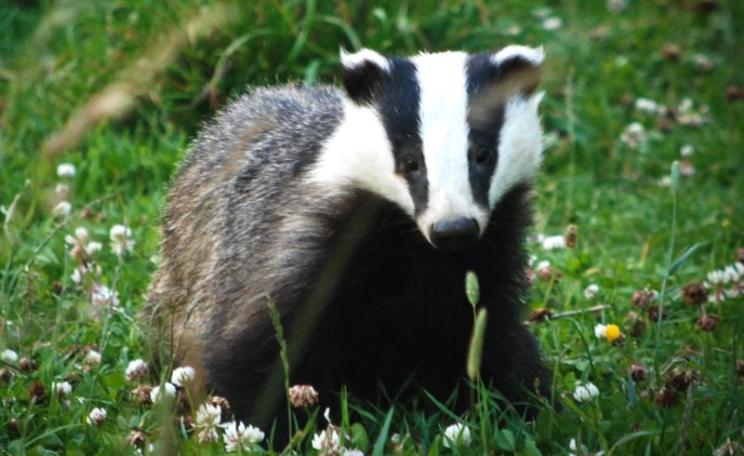
The British Veterinary Association has just launched its long-anticipated Animal Welfare Strategy, writes Mark Jones - and very welcome it is too. But it's also completely incompatible with the BVA's support for England's cruel and utterly unscientific badger culls. It's time for an urgent rethink.
The way food is produced has a profound impact on its nutritional profile, according to research published in the British Journal of Nutrition. Not only is organic farming better for animal welfare, the environment and wildlife, writes Peter Melchett, but organic meat, dairy, fruit and vegetables all have tangible health benefits for the people who eat them.
Ice melt in the Arctic Ocean is opening up previously untouched areas to industrial fishing fleets using ecologically risky bottom trawling methods, writes Joe Sandler Clarke. Ecosystems supporting walruses, polar bears, puffins and other sea birds could be stripped bare.
The 'Biotechnology Food Labeling Uniformity' bill has been introduced to the US Senate to require clear, simple labelling of GMOs nationwide - informing consumers while saving manufacturers from a confusing patchwork of state regulations. Could it defeat the dreaded DARK Act?
Next week, EU governments will vote on whether to re-authorise the weedkiller glyphosate, judged by IARC to be a probable human carcinogen, writes Molly Scott Cato. The disgraceful shenanigans of the Commission and the European Food Safety Agency to date provide a clear example of the EU and member states conspiring with corporations, against citizens.
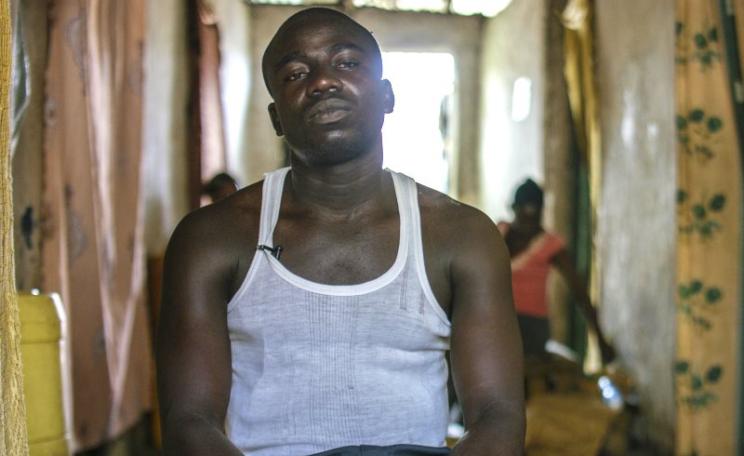
Africa's car battery recycling industry is anything but green, write Desirée García & Javier Marín on African Environment Day. Toxic emissions from the re-smelting of lead from old batteries is poisoning workers and nearby communities. And among the buyers of the lead are EU car companies, apparently indifferent to the death, disease and contamination they are financing.