The World Trade Organisation (WTO) has found India's huge solar initiative 'guilty' of breaking trade rules, write Dipti Bhatnagar & Sam Cossar-Gilbert, because it gives domestic manufacturers a small 10% quota for the supply of panels, leaving up to 90% for foreign competitors. It's a warning for perils of the entire WTO system, and of even harsher trade rules like those in TPP, TTIP and CETA.
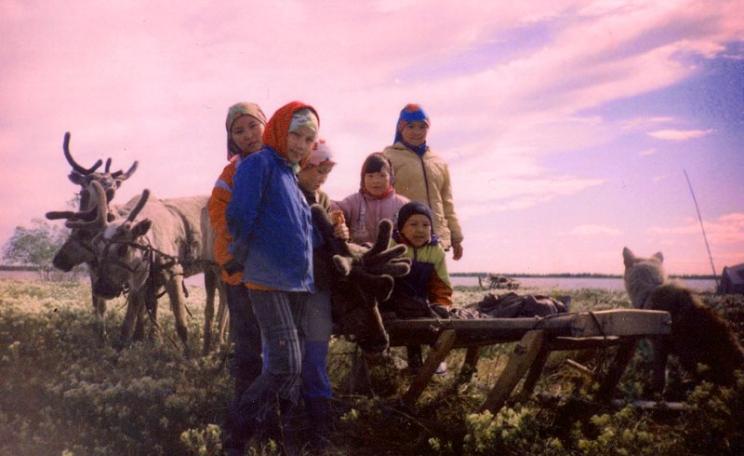
A vital nature preserve in western Siberia, and the indigenous peoples that inhabit it, are at risk from oil development, write Elena Sakirko & Konstantin Fomin. Oil giant Surgutneftegas is already active in the Numto Park, but now they want to extend operations into its fragile wetlands, putting at risk snow cranes, the Heavenly Lake, and the survival of the Nenet and Khanty peoples.
Those who dare suggest that pesticides might be implicated in Brazil's microcephaly outbreak are being furiously attacked as irrational, nonsense-spouting 'conspiracy theorists', writes Claire Robinson. But the attackers have an uncanny ability to get their own facts in a twist. And among them are writers linked to industries with huge economic interests in the matter.
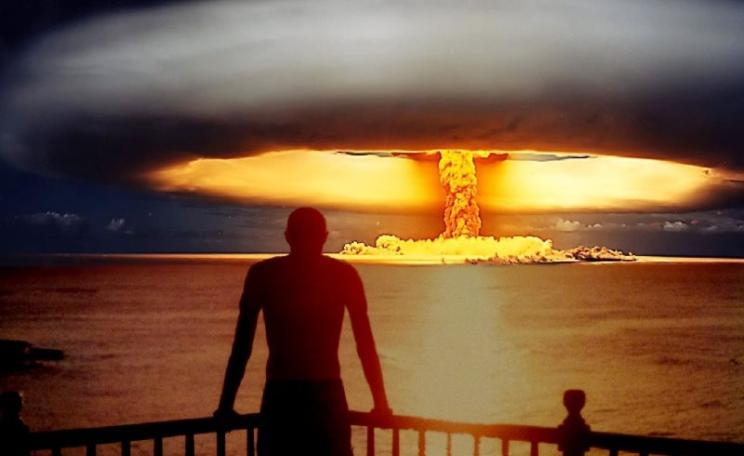
Why is it so important to the US that Britain renew its nuclear weapons of mass destruction? The main purpose of Trident, writes Oliver Tickell, is to allow the UK to join American nuclear attacks, adding 'legitimacy' to them and so lowering the threshold for nuclear war - even if it guarantees our own destruction.
From banks that are too big to fail, to food banks for the too small to matter, the global econom systematically pumps money from the social economy and the poor up into the hands of a tiny minority of wealthy beneficiaries, writes Colin Tudge. Farmers, trapped between mountains of debt and low food prices, are among the main victims. It's time for a big rethink, starting from first principles.
The European Commission is poised to renew the licence for glyphosate - the herbicide last year deemed ‘probably carcinogenic' by the WHO - for another 15 years. The decision follows from EFSA's contrary finding, based on secret, non peer-reviewed, industry-funded studies.
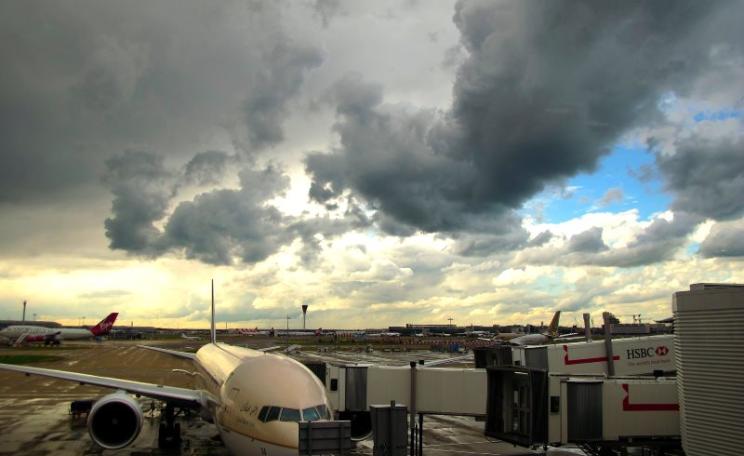
Plane Stupid's Heathrow 13 escaped immediate incarceration yesterday for occupying Heathrow's northern runway last summer. But the threat of imprisonment remains firmly in place, writes Ali Tamlit, from a state determined to defend the corporations that are inflicting the systemic violence of climate change on us all. The peaceful fight for a better world must go on.
Existing models of protecting nature are failing, write Atus Mariqueo-Russell & Rupert Read. They serve to regulate, rather than prevent the destruction of nature, and are now adopting the very 'market' approaches that are largely responsible for the problem. The answer is to give formal effect to the Rights of Nature.
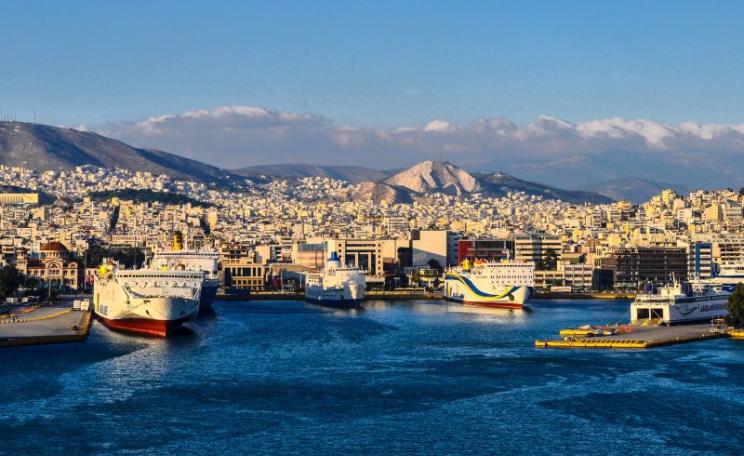
Europe's economic crisis has offered vast business opportunities to an all-powerful nexus of financial interests that have snapped up valuable state assets at bargain basement prices, defrauding the poorest countries of countless billions of euros, write Sol Trumbo & Nick Buxton. The EU's highest institutions are in the grip of a deep, systemic corruption that knows no boundaries.
Today's threats of legal action by ClientEarth against the UK Government highlight the problem of London's poisonous air, which is killing some 10,000 people a year, writes John Weeks. Fortunately there are simple, low cost, effective measures that could be taken to bring about big improvements to the city's air quality, fast.
With the 'Heathrow 13' protestors expecting custodial sentences today for their occupation of a Heathrow runway last July, Shadow Chancellor John McDonnell MP writes that their direct action followed years of official lies and broken promises, and forms part of a long tradition of direct action protests in defence of democracy.
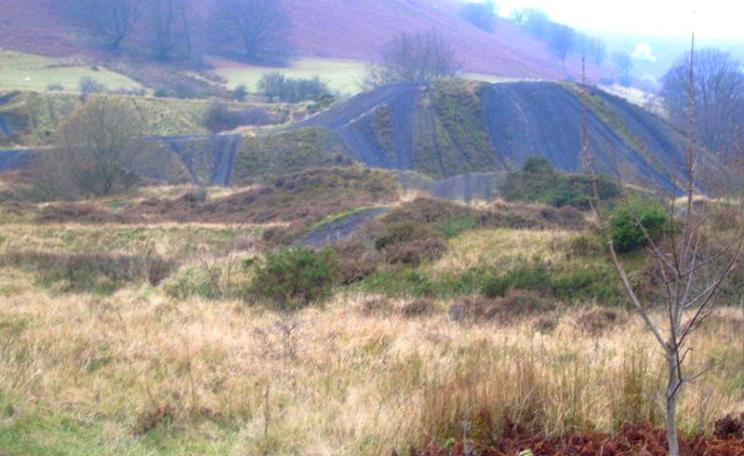
A tangle of undercapitalised companies are coming forward to cash in on old deep coal mines in Wales, writes Guy Shrubsole - by digging them all out from above from huge open cast pits. But local communities, alarmed at the noise, pollution and destruction of landscape, increasingly see coal as an industry that's best consigned to the scrapheap.
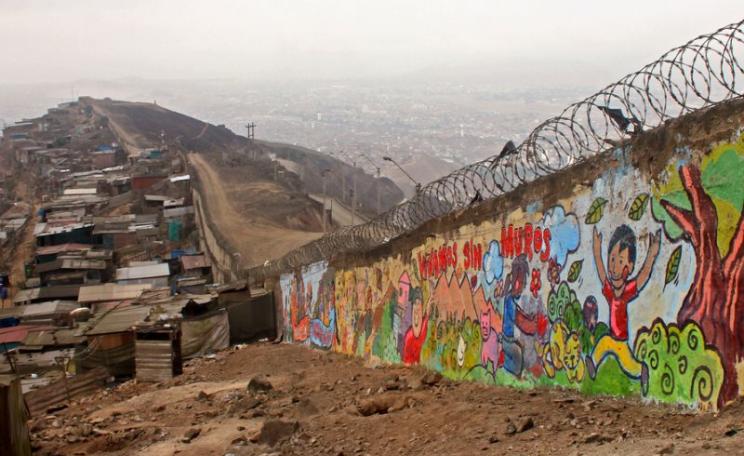
Just as rich and poor are separated by walls of money, the Latin American trend is to add physical walls to keep wealthy and deprived communities entirely apart, write Camillo Boano & Belen Desmaison. On the one side people enjoy lavish homes, security, public services and piped water. On the other residents live in tiny shacks built of scraps, in a desert landscape ruled by criminals.
Those who value public lands - for economic, environmental, recreational and aesthetic values - owe a debt of gratitude to Harney County, Oregon, writes Peter Walker. A violent branch of the Sagebrush Rebellion came to town, and the community told it to go away: the decisive factor in the occupiers' defeat. But the greater war for America's public lands has only just begun.
With 29 applications for new badger culls, writes Lesley Docksey, the government still has no idea how many badgers there are in the cull areas, or how many of them have TB. Nor does it want to find out. The badger culling project is getting less scientific by the day - or should that be by the square kilometre?