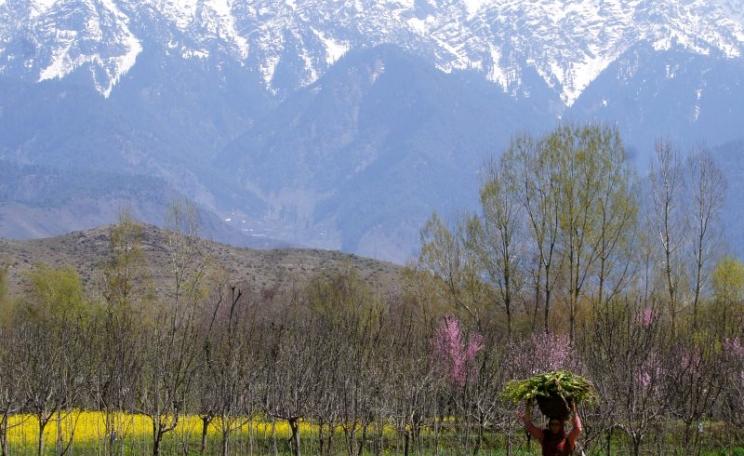
Vandana Shiva is more than just a leading scientist, author and campaigner on green issues and anti-globalisation, writes Scott London. She is also among the most prominent of Mahatma Gandhi's intellectual heirs. In this interview, she discusses how this led her to be an outspoken voice on such crucial environmental issues as seed legacy, biopiracy and economic injustice.
According to oil company executives, oil is going to be a major energy source to 2100 and beyond. So after hearing an oil man make his case, Chris Goodall went home and crunched some numbers. Money invested in solar power already produces more energy than if it's put into oil exploration and production, and the gap is only going to widen from here. Is this the new 'peak oil'?
The main engine of economic exploitation is the financial system's ever increasing extraction of value through interest payments, according to economist Michael Hudson. Paul Craig Roberts finds his analysis all too accurate, as the over-financialized economies of western countries head down a spiral of poverty, decline, injustice and despair.
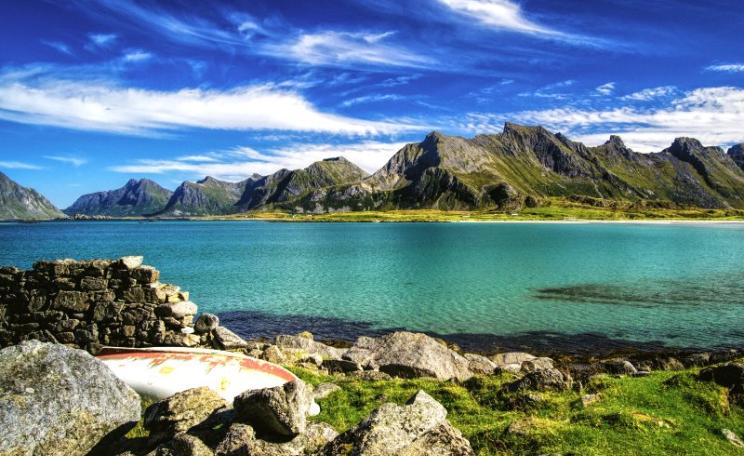
The Lofoten peninsula Norway’s Arctic North is not just stunningly beautiful. It's also home to the world’s largest deep water coral reef and full of wildlife. So why is the government saying it will have to be opened up to the oil and gas industry? Never mind the country's warm words on environment and climate change, writes Joseph Dutton. It's fossil fuels that rule the roost.
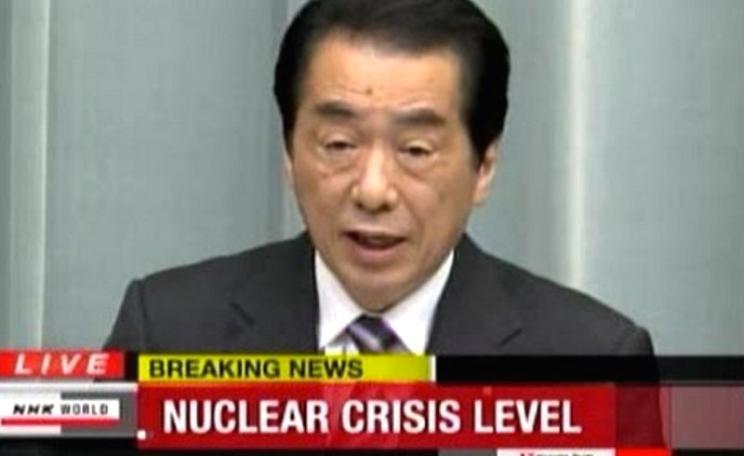
Nuclear power is a uniquely hazardous technology that can destroy entire nations, Japan's prime minister at the time of the Fukushima nuclear disaster has warned British MPs. The lessons of from such catastrophes must be heeded in other countries that believe that nuclear fission can be harnessed safely, writes Linda Pentz Gunter - or they, and the world, will reap the whirlwind.
Fund managers who neglect their 'duty of care' to clients by failing to put pressure on the companies they invest in to reduce their carbon emissions and prepare for a fossil-free future could be sued for their negligence, say respected experts in law, environment and finance.
The public interest is already derelicted by federal officials on the US's public lands routinely intimidated by aggressive local economic and political interests, writes George Wuerthner. And now it's only going to get worse, with media coverage of the Malheur Wildlife Refuge debacle uncritically promulgating the false narrative of over-zealous enforcement of regulations.
Britain's 20th century architecture is in danger of obliteration, writes Sebastian Messer, with a 'new brutalism' that holds that socially deprived council estates are fit only for demolition. But these buildings are an important part of our cultural heritage, and more than that, they provide affordable housing to millions of people.
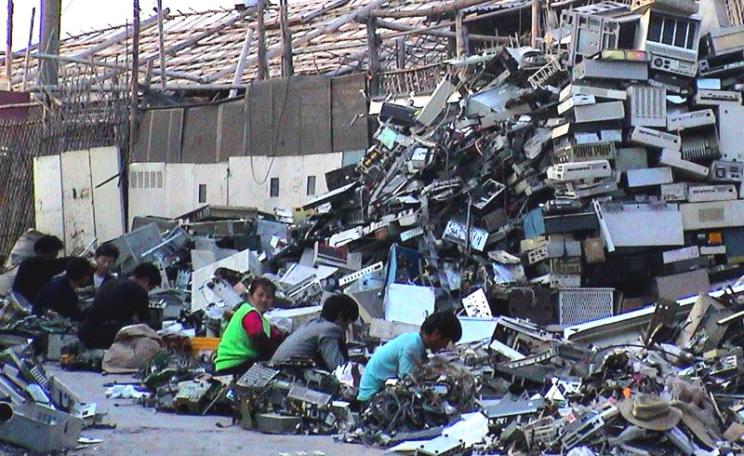
Our thirst for the latest gadgets has created a vast empire of electronic waste, writes Ian Williams. The EU alone produces some 9 million tonnes of it a year, of which some 70% is still working when disposed of, and over a third is disposed of illegally. With increasingly affordable electronic devices available to ever more people, it's high time for effective global regulation.
Global oilseed, agribusiness and biotech corporations are engaged in a long term attack on India's local cooking oil producers, writes Colin Todhunter. In just 20 years they have reduced India from self-sufficiency in cooking oil to importing half its needs. Now the government's unlawful attempts to impose GM mustard seed threaten to wipe out a crop at the root of Indian food and farming traditions.
New research indicates that agricultural policies aimed at alleviating poverty in Africa are making things worse, writes Lawrence Woodward. Backed by 'development' aid, big business is forcing modern farming practices on unwilling rural communities. Only the rich benefit, while the poor carry the burden of landlessness and debt.
The Flint water crisis exposes like nothing else the toxic cynicism of America's ruling class, writes Jesse Jackson. In their privileged view, the victims of the lead poisoning are disposable 'unpersons' that matter less than General Motors' auto parts. But now they, and their peers in other poisoned communities, are fighting back.
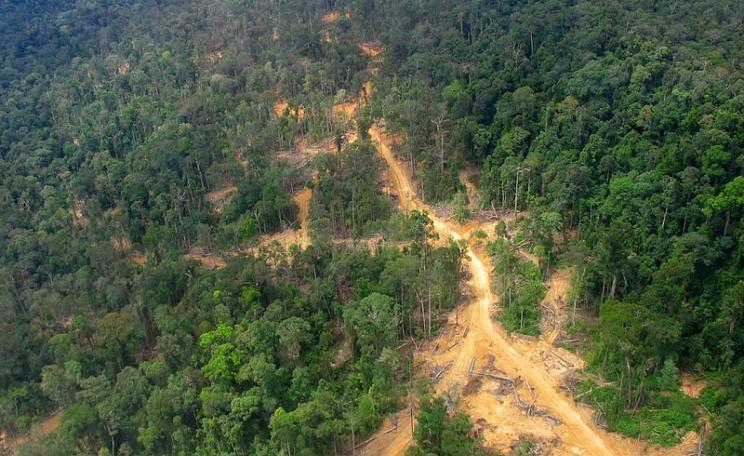
For years the 'market mantra' has been to save forests by selling the carbon they embody, writes Chris Lang, harnessing the profit motive for the benefit of trees and climate. But it never worked, and now even former fans are admitting that REDD is just another failed conservation fad. So what next? How about asking local communities to manage their forests as commons?
Advanced new catalysts are poised to stimulate a clean energy revolution, writes Tim Radford. An organic replacement for the precious metal platinum would allow surplus electricity to be cheaply converted into hydrogen fuel, then burnt in low cost fuel cells to propel 'green' vehicles and generate power on demand.
With the proposed connection between the Zika virus and Brazil's outbreak of microcephaly in new born babies looking increasingly tenuous, Latin American doctors are proposing another possible cause: Pyriproxyfen, a pesticide used in Brazil since 2014 to arrest the development of mosquito larvae in drinking water tanks. Might the 'cure' in fact be the poison?