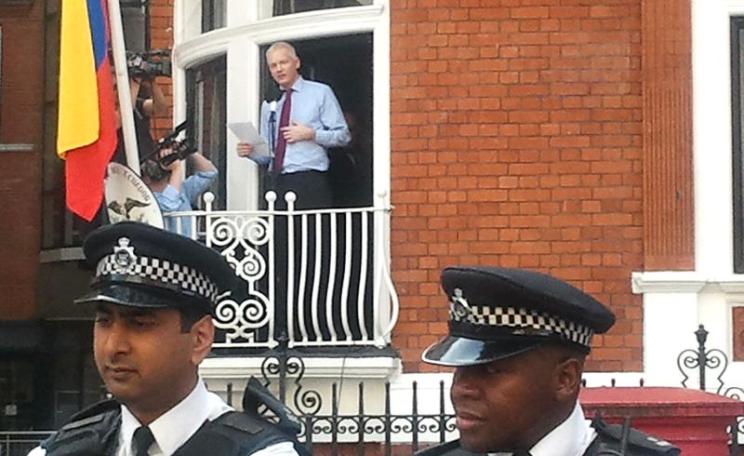
The defence secretary, 'comedians' on BBC Radio's News Quiz, and the entire media commentariat have ganged up this weekend up to pour mockery and poisonous lies over Julian Assange and the UN's human rights jurists, writes Jonathan Cook. As they attempt to fight off the UN's 'guilty' verdict against the British state, they are putting dissidents at risk everywhere.
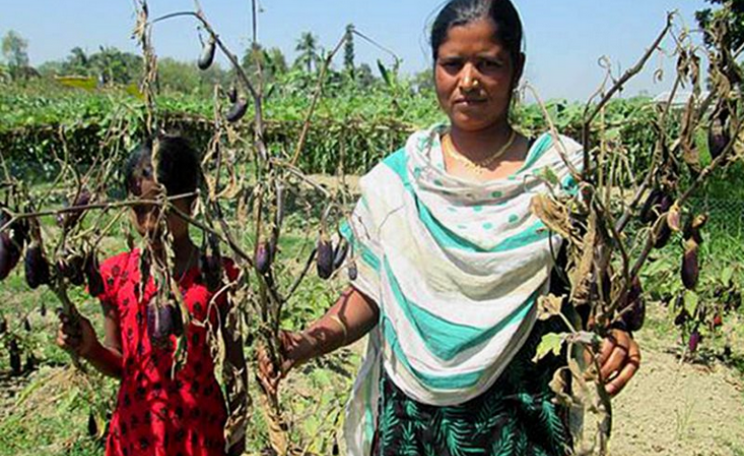
Cornell’s 'no pest' Bt brinjal project in Bangladesh appears to be going great with 200 farmers signed up, reports Farida Akhter. Only its not - hardly any of the farmers who grew the GM plants in previous years have come back for more after their crops wilted, failed to ripen, or were devastated by pests.
Human Rights Council Working Group on Arbitrary Detention
|
The human rights campaigner Julian Assange has suffered arbitrary detention by the governments of Sweden and the UK, the HRC's Working Group on Arbitrary Detention ruled today. Here we present the key elements of the Ruling so readers can form their own opinion on the issue free of the universal condemnations of Assange and the Ruling evident in mainstream media.
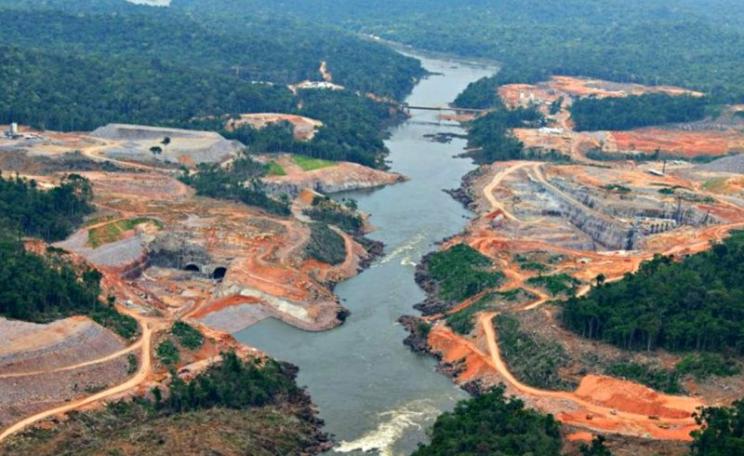
Roads, mines, dams, power lines, pipelines and other infrastructure projects are fast eating into the world's 'core forests', writes Bill Laurance. These rare and precious places where wildlife and ecological processes can flourish undisturbed must come before the evanescent gains of 'development'. To save what's left, governments and funders must learn the word 'No!'
When Chancellor George Osborne delivers his Budget next month, we can be sure that climate and environment won't take a high priority, writes Alan Simpson. All the more reason for the Labour leadership to develop a new 'one planet' economics for the 21st century that delivers social justice and respects ecological limits.
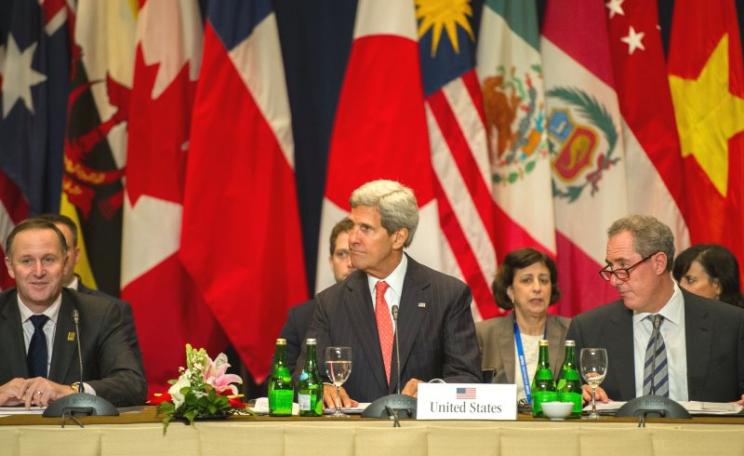
Boosters of 'free trade' agreements - like the Trans Pacific Partnership that's being signed today - like to make big promises, writes Pete Dolack: trillions of dollars of economic gains, billions of dollars of investment, millions of new jobs. But there's only one certainty, and it's one they never mention: the permanent redistribution of power and income from working people to capital.
Trade ministers will sign the Trans Pacific Partnership 'free trade' deal today, writes Sam Cossar-Gilbert. But don't be fooled by the razzmatazz. Resistance to the agreement is growing fast, and the more people find out about it and its devastating impact on jobs, health, human rights and environment, the less they like it.
The true nature of western civilization is hard to grasp from within, says Professor John McMurtry, because we perceive it through media whose primary purpose is not to convey the truth, but conceal it. What is actually playing out is a global war of empire and capital against the Earth and her people, backed up by the omnipresent threat of overwhelming force.
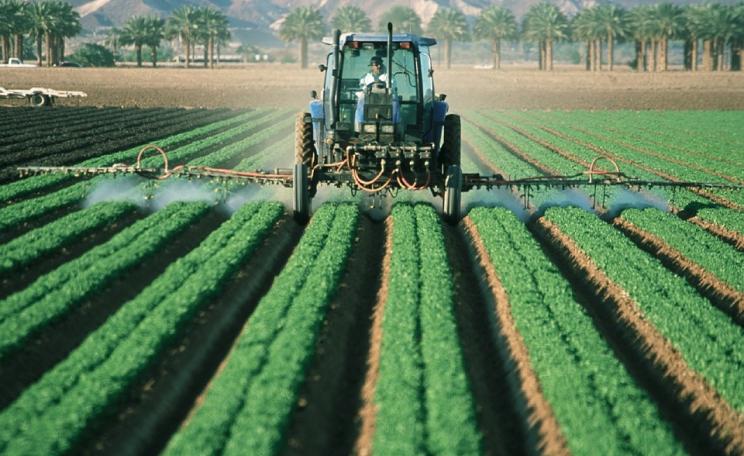
The global use of glyphosate has rocketed over the last decade thanks to the introduction of 'Roundup ready' GM crops, writes Vanessa Amaral-Rogers. But since IARC classified the chemical a 'probable carcinogen', and with the spread of resistant superweeds, the tide may finally be turning.
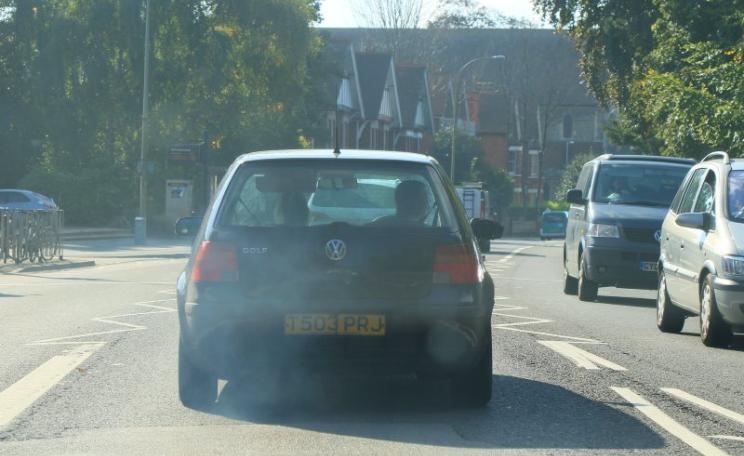
Right wing MEPs in the European Parliament including UK conservatives today voted car makers a 'get out of jail free' card over air pollution that's killing tens of thousands of citizens a year, allowing their vehicles to emit double the legal limit for nitrogen oxides.
Germany's association of judges and magistrates has condemned the EU's plan to create a special court for investors and corporations to sue national governments, writes Nick Dearden. The proposed new court would: have no legal basis; supplant the sovereignty of member states; and usurp the role of national courts. The chances of TTIP and CETA ever being agreed just took a big step back.
Erdogan's horrific 'war on terror' in the Kurdish cities of Eastern Turkey may have a silver lining, writes Defne Kadıoğlu Polat - at least for property developers and ruling party insiders. Plans are already under way for 'urban renewal' projects that will see the valuable real estate cleansed of buildings and people by the war developed into luxury apartments and shopping malls.
Air pollution from vehicles is killing tens of thousands of people every year in the UK alone, write Jean Lambert, Molly Scott Cato & Keith Taylor, an outrage set into stark focus by VW's 'test cheating'. The EU's response? To relax tests and allow cars to be more polluting - with the full support of the UK government.
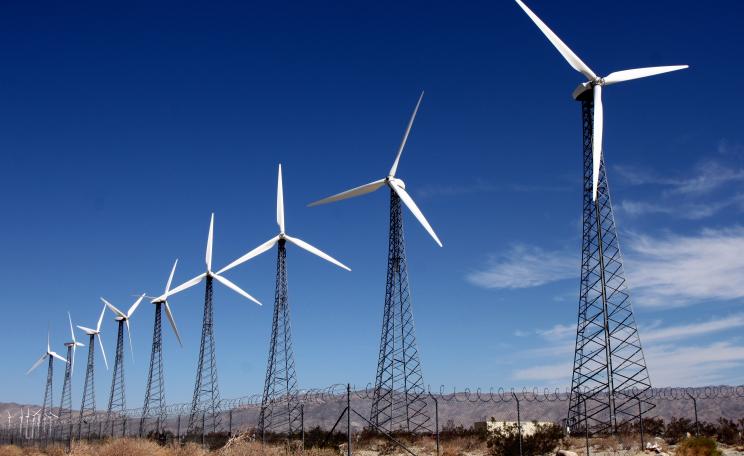
Scientists say interstate energy 'highways' offer a simple approach to delivering low-cost electricity to where it’s needed throughout the US, writes Tim Radford. The best part? It's using clean, renewable energy sources, and it can be achieved in the near future using only existing, mature technologies.
Why is BP sponsoring the Science Museum's 'Late' event? It's all part of creating 'scientific consent' for fossil fuels, writes Drew Pearce, in the face of scientific certainty about climate change and the need for drastic cuts in carbon emissions. That's why we gatecrashed their latest show last week.