A USDA study shows that a GM alfalfa has gone wild in alfalfa-growing parts of the West. This may explain GMO contamination incidents that have cost US growers and exporters millions of dollars - and it exposes the failure of USDA's 'coexistence' policy for GMOs and traditional crops.
With the EU referendum on the horizon, the Common Fisheries Policy is likely to figure in the debate as an exemplar of EU policy failure, writes Griffin Carpenter. But the much maligned and misunderstood CFP is doing a good job: stocks are recovering, bycatch-dumping is banned, and it may even force the UK to give more quota to small-scale fishers.
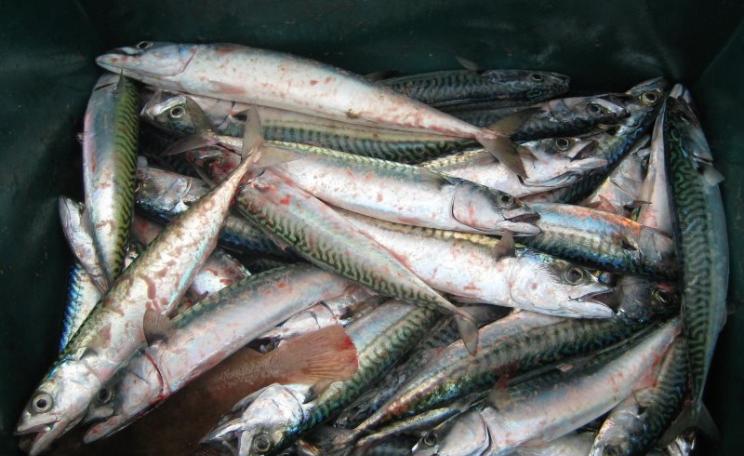
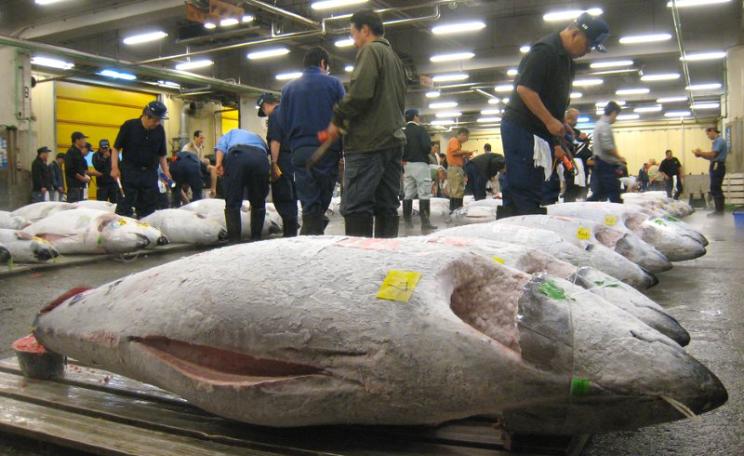
The global catch of fish and seafood is falling at three times the rate reported by the United Nations and urgently needs to be slowed to avoid a crash, reports Christopher Pala. The finding comes in a new study for Nature which quantifies the huge illegal industrial fish pillaging taking place around the world, together with artisanal catches, which in 2010 added over 50% to UN estimates.
Some of us are fortunate enough to have close relationships with the nature around us, writes John Aitchison. But what about everyone else? We must find ways to make people feel like old friends with wildife near and far, and feel that their wild homes and habitats are extensions of our own. And hence, that they are as deserving of our care as human neighbours - if not more so.
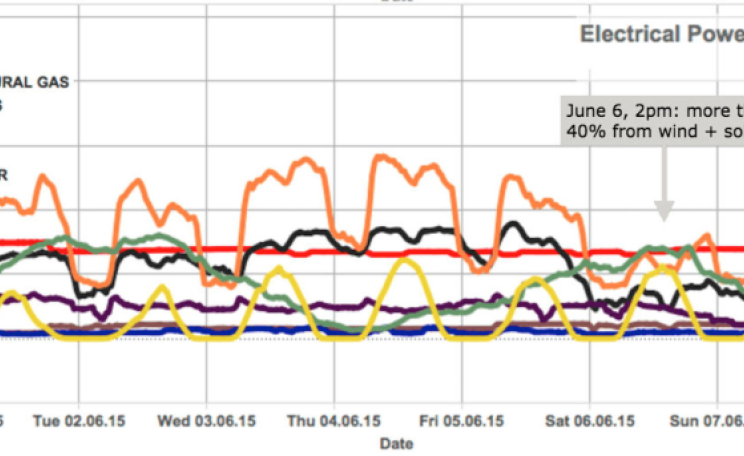
Wind, solar and hydro together generated 14.6% of Britain's electrical energy in 2015, the highest ever, writes Grant Wilson. They also peaked at 22% of electricity over the week of Christmas - another British record.
The greatest myth of the consumer society is that modern lifestyles are 'normal' - and this can continue forever because we're clever little apes who can solve any problem, writes Paul Mobbs. That hubris, in the face of insurmountable ecological limits, will be our collective downfall.
Easy to miss in the New Year Honours list: a little-known civil servant for 'services to pesticides regulation'. But none the less shocking for that, writes Georgina Downs. Paul Hamey MBE is the very man who has been responsible for ensuring that rural residents receive no proper protection from repeated exposure to toxic mixtures of pesticides on nearby farms. Go figure.
The world we inhabit is a miracle of billions of years of evolution as life has unfolded in its full beauty and diversity, writes Grant A. Mincy. But human activities - deforestation, mining, urbanisation, pollution, climate change - are tearing away at the functioning fabric of the living biosphere. A mass extinction is under way, and it must be halted, and reversed. But how?
Dam builders have a new mantra, writes Tom Fawthrop: 'sustainable hydropower'. Repeated at every opportunity, it is based on the unproven idea that large dams can be made 'sustainable' by promising future 'mitigation'. And so it is at the Don Sahong dam in Laos which is about to devastate the mighty Mekong and the 60 million people who depend on it for food and livelihood.
The 'New Alliance', backed by £600m of UK aid, is meant to improve food security, reduce malnutrition and lift people out of poverty, writes Aisha Dodwell. But it's all a huge con - delivering corporate welfare, attacking small farmers, enabling land grabs - and leaving a trail of poverty and human devastation. It draws praise from only a single review of its activities: its own.
Greenpeace International has today named its first female International Executive Director, and its second: Jennifer Morgan and Bunny McDiarmid will 'job-share' the role now performed by Kumi Naidoo, in an innovative co-leadership arrangement.
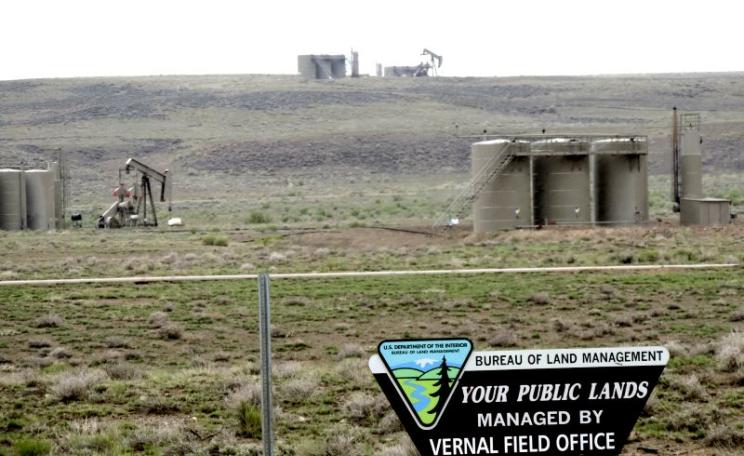
Now that the US is signed up to ambitious Paris targets to limit warming, it too must play its part in keeping fossil fuels under the ground, write leading US campaigners. So let's make an immediate start by halting all new federal oil and gas leasing on public lands pending a full climate and environmental impact study.
A day of workshops, speakers and updates on the climate crisis organised by Friends of the Earth, PCS and This Changes Everything. Join them in London on 30th January to plan the next step in the fight to protect people and planet after the Paris climate talks.
The UK's nuclear power programme is driven by military demands, write Andy Stirling & Phil Johnstone - but not in the way you might think. The most essential need is not for plutonium or tritium, but for a nuclear industrial sector to design, build and maintain the reactors that power nuclear submarines. Without them, the Trident missile system would have no military credibility.
Never mind Brazil's COP21 promises to cut its carbon emissions, writes Jan Rocha. New laws passing through Congress will encourage deforestation by removing safeguards and opening up indigenous territories to mega-projects. Serious drought is already contributing to a big increase in forest fires.