As worldwide stocks of plutonium increase, lightly-armed British ships are about to carry an initial 330kg of the nuclear bomb metal for 'safekeeping' in the US, writes Paul Brown. But it's only the tip of a global 'plutonium mountain' of hundreds of tonnes nuclear power's most hazardous waste product.
Demolishing 'sink' council estates is no way to solve social problems, writes Loretta Lees. All it does is force low income communities out of affordable housing, and open valuable urban sites up for profitable redevelopment. But then, maybe that's the point?
A new report from leading physicians published today reveals the excess mortality caused by UK air pollution, writes Vanessa Amaral-Rogers. The Government has already been found in breach of the EU's Air Quality Directive, but its policies remain weak. Will it finally step up to prevent early deaths from this silent killer?
Inequality is on the agenda at the World Economic Forum in Davos this year, write David Sogge & Nick Buxton. A good thing, right? But look at the proposed 'solutions': ramp up the neoliberal 'development' model; lighten business regulation; pursue globalisation with greater vigor ... Yes, you got it. They would all accelerate the transfer the world's wealth upwards to corporate elites.
Over in Davos world leaders are desperately trying to find a 'fourth industrial revolution' to keep the 'growth' juggernaut rolling, write Bennet Francis & Rupert Read. But their efforts are doomed: the real challenge we face is to build a healthy, more equal society and a green, sustainable future for us all.
To save a small amount of money residents of Flint, Michigan, have been forced to consume hazardous levels of lead in their drinking water, writes Farron Cousins. Just the moment for the Republican House Speaker to attack the Clean Water Act.
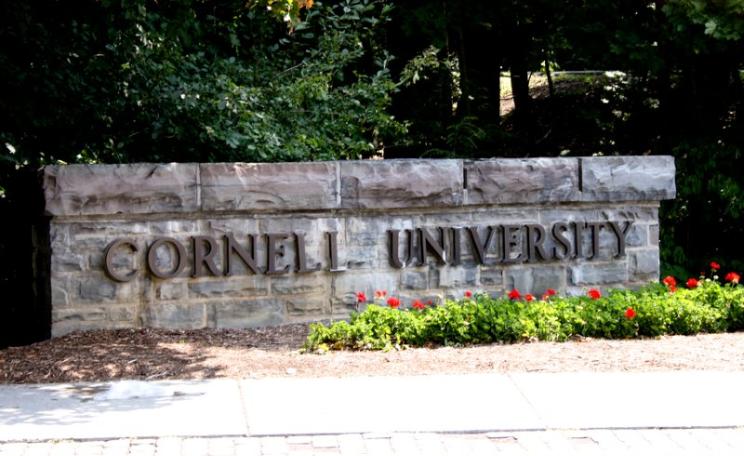
Cornell, one of the world's leading academic institutions, has abandoned scientific objectivity, writes Stacy Malkan - and instead made itself a global hub for the promotion of GM crops and food. Working with selected journalists and industry-supported academics, Cornell's so-called 'Alliance for Science' is an aggressive propaganda tool for corporate biotech and agribusiness.
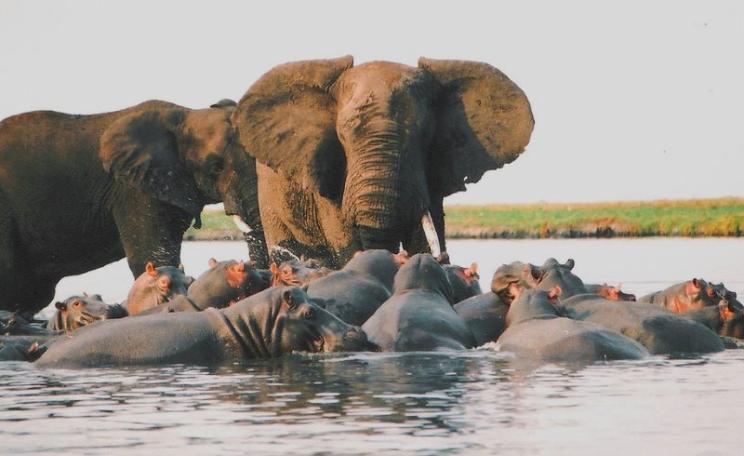
Last time the Earth was this warm, 130,000 years ago, England's Thames Valley was home to hippos and elephants, write Emma Stone & Alex Farnsworth. But the closest climate analogue is actually the Miocene Climate Optimum, 11 million years ago, when CO2 levels were similar to today's. As for the ice age that's due, scientists believe it will be postponed for at least 100,000 years.
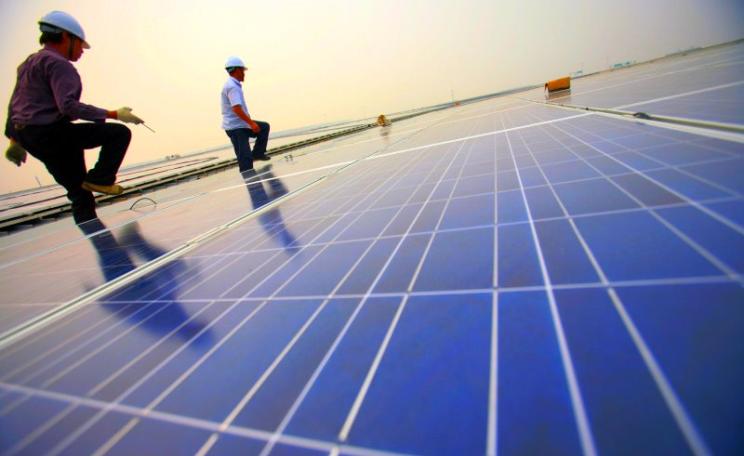
China's 2015 carbon emissions fell for the second year running, by an amount equal to all of Poland's, while total power consumption increased, writes Lauri Myllyvirta. Credit goes to the massive expansion in renewable energy, with a record-breaking 47GW of wind and solar capacity added.
The Gates Foundation - widely assumed to be 'doing good', is imposing a neoliberal model of development and corporate domination that's opening up Africa's agriculture to land and seed-grabbing global agribusiness, writes Colin Todhunter. In the process it is foreclosing on the real solutions - enhancing food security, food sovereignty and the move to agroecological farming.
This May the Greens are hoping to win their first seats in the Welsh Assembly, and become a strong force for social and ecological progress, writes Alice Hooker-Stroud, newly elected leader of the Wales Green Party. At the heart of the vision: sustainable, prosperous, empowered communities.
No matter how concerned we are about the quality of food we and our families eat, we can be sure governments are putting corporate profit first, writes Sally Beare. But we - Mums in particular - still have our power as consumers to push supermarkets and other retailers into going GM-free and keeping toxic agrochemicals out of the food chain. Let's use it!
A third of all food that's produced in the world is thrown away. What's going on? Diana Moreno finds some answers in her own experience working in a German supermarket. Leading the list is the mind-numbing 'culture of rush' that permeates high-volume, low margin retailing, and which subjects workers and customers alike to the soul-less logic of the production line.
According to classical economics Adam Smith's 'invisible' hand' of free markets produces the greatest good for us all, writes JP Sottile. But what happens when rip-roaring 'external costs' are left out of the equations? Wars, repression, pollution, resource destruction and climate change. And because that invisible hand is connected to Mother Nature, it's coming back to strike us.
The just as policemen keep on getting younger, epochs keep on getting shorter, writes James Scourse. The Cretaceous endured for 80 million years, but our latest invention, the 'Anthropocene', will be lucky to last out the century. And humanity's vain preoccupation with the idea may, ironically, only bring forward its termination.