Satish Kumar, environment activist and editor-in-chief at Resurgence & Ecologist magazine, is giving a talk at Alternatives on 14 March about his personal journey both spiritual and physical.
Biotech corporations have invested billions in a range of new 'GM 2.0' technologies designed to redesign the world's germplasm and create new generations of super-GMOs, writes Nina Holland. And powerful investors have no intention of letting tedious EU regulations get in the way of the profits they are now poised to reap - no matter what the laws actually say.
The wave of mechanization and automation that began with the Industrial revolution is not slowing down, writes Conor Lynch. Indeed it is gaining power and is driving another 'great transformation' that could produce untold opulence for the very few, and hellhole for rest of us, or an Earthly paradise for all. But which will it be? Ultimately the future is ours - to choose, and to fight for.
How can progressive movements rise above merely being right, to mount effective mass opposition to corporate rule and the dictatorship of the super-wealthy? By learning from Gandhi, writes Colin Todhunter, and devising new campaigns that engage with people's everyday concerns - like access to safe, wholesome, affordable, 'open source' food.
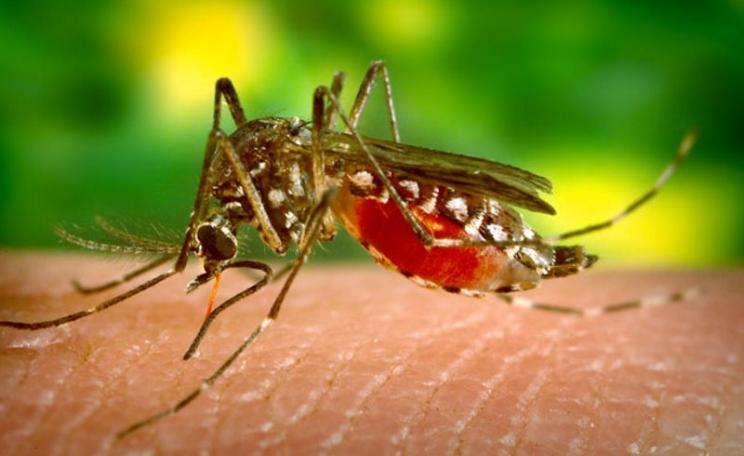
In Brazil's microcephaly epidemic, one vital question remains unanswered: how did the Zika virus suddenly learn how to disrupt the development of human embryos? The answer may lie in a sequence of 'jumping DNA' used to engineer the virus's mosquito vector - and released into the wild four years ago in the precise area of Brazil where the microcephaly crisis is most acute.
After a run of low quality GM cotton crops with unusually short fibres, Burkina Faso has ended its love affair with Monsanto's Bt cotton, writes Claire Robinson. In a further blow to the company, growers are demanding $280 million compensation for their losses.
The European Commission must not re-approve the 'probably carcinogenic' weedkiller glyphosate so long as its assessment is based on secret industry studies, actual products are not investigated, and in the absence of scientific criteria for endocrine disruption, write 66 MEPs in this Open Letter to Commissioner Andriukaitis, in charge of health and food safety.
Why are we so surprised at the Google tax heist? It's not because there's anything new about it, writes Donnachadh McCarthy. It's because our own political class have long their noses in the trough, and the tax-dodging billionaires that own our mainstream media are anxious to hide the swindle that's keeping them rich, and us poor.
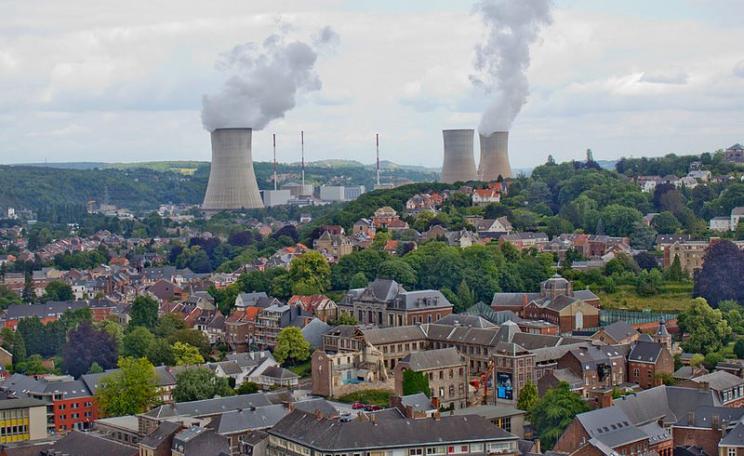
Despite the endless rhetoric about a 'nuclear renaissance', there are fewer power reactors today than there were a decade ago, writes Jim Green. The one country with a really big nuclear build program is China, but no one expects it to meet its targets. And with over 200 reactor shut-downs due by 2040, the industry will have to run very hard indeed just to stay put.
As presidential contenders gather in Iowa for the beginning of the party selection season, they may have noticed a lot of wind turbines, writes Zachary Davies Boren. And if they have any sense, they will find only nice things to say about them. Wind supplies 30% of the state's power, more than any other US state, and Iowans are all for it. Ted Cruz, mind your words!
The last 30 years of European summers have been the hottest in thousands of years, writes Alex Kirby, and we had better start getting used to it - most of all in the Mediterranean and the Arctic, where a 1.5C global temperature rise could be amplified to 3.4C and 6C respectively.
For long periods animals in ancient oceans could live only in shallow surface waters, above vast 'dead zones' inhabited only by anoxic bacteria, writes Richard Pancost. Human activity is now creating immense new dead zones, and global warming could be helping as it reduces vertical mixing of waters. Could this be the beginning of something big?
Protesters have now blocked a Monsanto seed factory in Córdoba, Argentina for over two years, writes Ciara Low. Another eviction attempt is now imminent, and campaigners are calling for a big mobilization this Sunday to fortify the blockade and send out a strong message to Monsanto and its acolytes: 'No Pasaran!' - 'They shall not pass!'
The origin of life has long been the deepest of mysteries, writes Chris Busby. But in fact, the spontaneous arising of life from molecules in Darwin's 'warm little pond' is the inevitable result of their selective energisation by quantized infra-red radiation. Now, some four billion years after life first developed, precisely the same processes continue to drive the operation of all living systems at a cellular level.
Colin Tudge reports on The College of Real Farming and Food Culture; a project designed to tackle the current issues in global food production. The current system is not fit for purpose but through a holistic approach and an overhaul of current mainstream agriculture, achieving a balance between feeding the world and conserving the environment is within grasp.