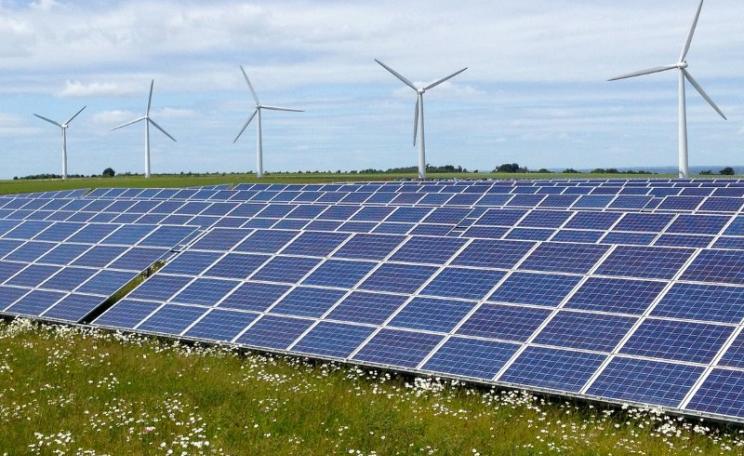
EDF's unfolding fiasco over the Hinkley C nuclear power station proves that nuclear power can come only at enormous financial cost to consumers and taxpayers, writes Caroline Lucas - and even then, investors are scared off by the risks. The government must get over its nuclear obsession and seize our renewable future.
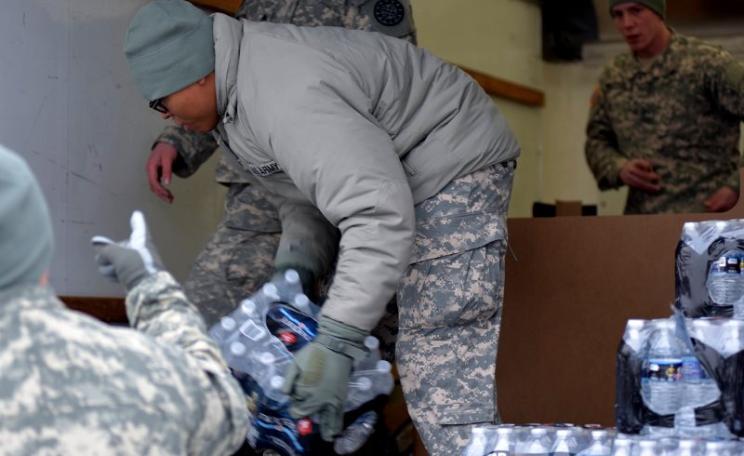
Environmental injustice is deeply embedded in American attitudes, says Robert D. Bullard, and the lead pollution of Flint's water is but the latest example of an unconscious yet pervasive discrimination against poor and minority communities across the US. Only with strong, deliberate and effective leadership can the EPA and other regulators overcome their prejudices.
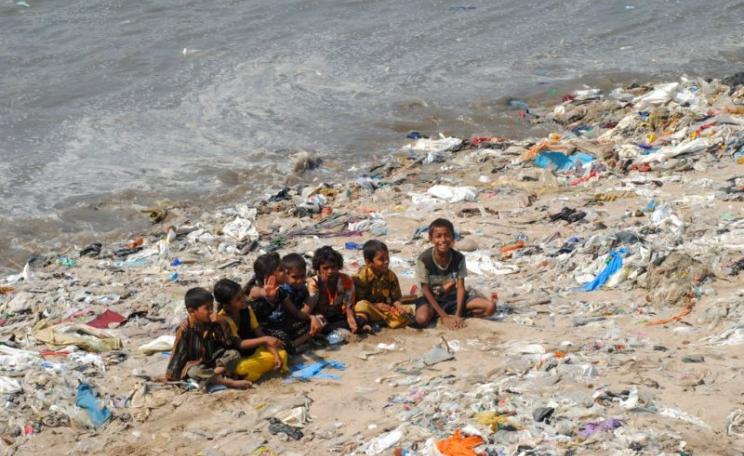
Long after we go extinct the human presence on Earth will be marked by a geological stratum rich in plastic garbage, according to a new study. Long-lived plastics are already widespread over the ocean floor, and there's a lot more on its way. Forget the 'Anthropocene' - the human era should rightly be called the Plasticene.
The UK's coal burn is not just having a huge impact on climate, writes Anne Harris. It's also devastating communities in the UK, Russia, Colombia and other nations that supply our coal power stations. Those impacted are doing their best to resist the mining companies that are destroying their land, stealing their homes and polluting their air and water. But they need our help!
The over-hunting of wildlife in the Amazon has an unexpected knock-on effect: the reduced seed dispersal reduces the forest's capacity to store carbon in its biomass, increasing emissions from apparently 'intact' rainforest areas.
Monsanto has acquired a commanding role in the biotech, seed and agro-chemical industries, writes Carmelo Ruiz. So why is the company desperate to merge with its rival Syngenta? The truth is the company is in deep trouble, as its top-selling Roundup herbicide runs out of steam, and its rivals combine to challenge its dominance.
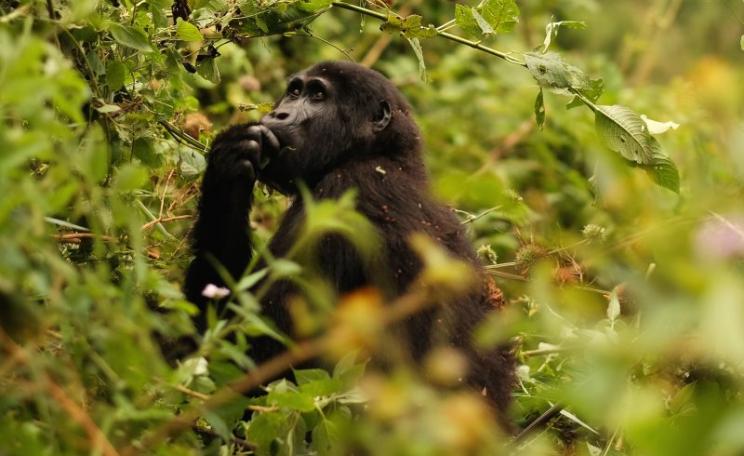
Mountain gorillas in the Bwindi Impenetrable Forest are at risk from tea plantations that would obliterate the adjacent Kafuga Forest, a vital buffer zone for local people, writes Richard Sadler. Deprived of foods, herbs, medicines and clean water from the forest, human pressure on the gorillas would inevitably increase, and expose them to potentially lethal diseases.
Meat is responsible for about 30% of all 'wasted calories', writes Mike Berners-Lee, so with food causing a third of all greenhouse emissions, eating less meat is one of the most effective things we can do to reduce our climate impact. But no less important is to switch from high to low-impact meats - and to do all we can to cut food waste in our kitchens.
Just as EDF was due to make its 'final investment decision' on Hinkley C, writes Oliver Tickell, another delay. In spite of incredibly generous subsidies, the company is unable to finance it. Its last hope is to persuade the French state to take a 10% stake in the doomed project.
Israel's government is now free to expel 1,200 of its Bedouin citizens from their 'unrecognised' villages in the Negev desert, following a Supreme Court decision not to hear their appeal. Now only one thing can save the Bedouin, their communities and their way of life: an international outcry.
The EDF board is meeting tomorrow to reach its 'final investment decision' on Hinkley C. It was meant to be a rubber stamp but now it's anything but, as EDF's share price sinks to a new low, unions and employee directors harden their opposition to the project, and projects in France, Finland and China run way over time and cost with severe technical problems and safety concerns.
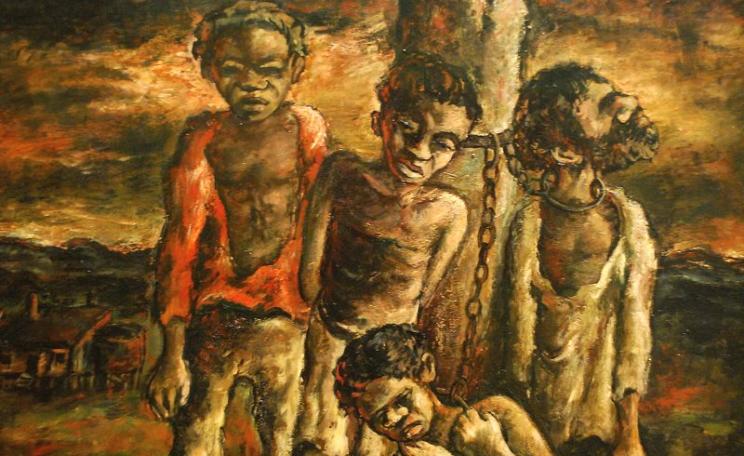
For most Australians, 26th January is a day of family celebration, writes John Pilger. But for its indigenous peoples the only thing to celebrate is their survival after over two centuries of rape, murder, theft and vicious racism that continues to this day, and has even found new expression in Australia's war on refugees, incarcerated in barbaric Pacific Island concentration camps.
Anti-EU sentiment and climate change denialism go hand in hand, writes Kyla Mandel. But why? Partly it's down to a belief in unconstrained national sovereignty and economic freedom - threatened by the EU and climate change alike. But it's also because out of the EU, the UK could advance the anti-environment agenda the deniers so passionately believe in, with no one to get in the way.
When the UK joined the EU in 1973, it was dubbed the 'dirty man of Europe' thanks to its out of control pollution, writes Craig Bennett. Since then EU laws have forced us to clean up our act. But if we leave, all that may go into the reverse, with terrible impacts on our air, water, health, and wildlife.
Since Poland's new government was elected last October it has moved to protect the country's 1.3 million small farmers, writes Julian Rose. First it freed those arrested for protesting corporate land grabs, now it is seeking to lighten oppressive hygiene regulations, and next it may support a new Food Act that would ban GMOs, and legislate for national food security and food sovereignty.