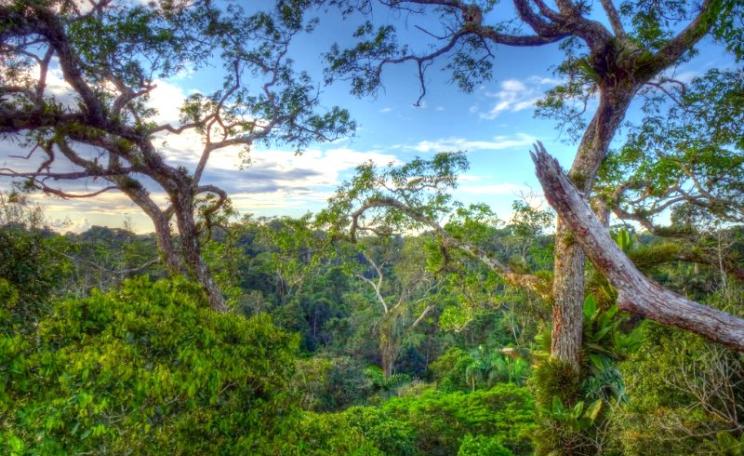
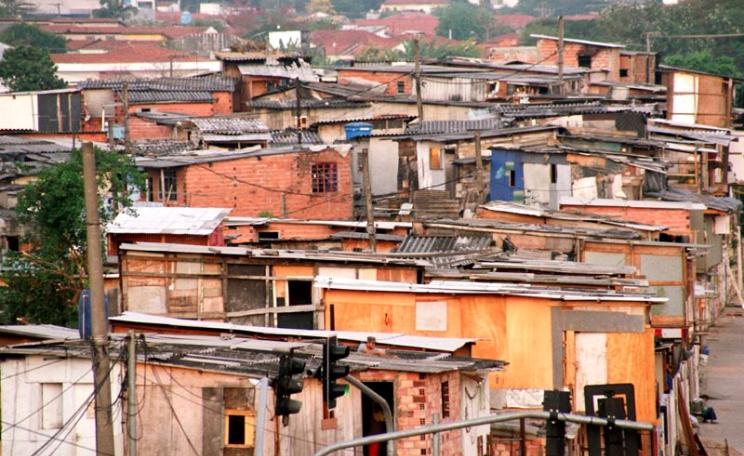
Mainstream solutions to climate change are all based on reducing the world down to a single metric - tonnes of carbon. But as Camila Moreno, Daniel Speich Chassé & Lili Fuhr explain, this uni-dimensional world view is doomed to failure as it neglects all the difficult things that matter most: people, communities, ecosystems, love, beauty, politics, money, corruption, and corporate power.
The Aedes mosquitos that carry the Zika virus and dengue fever are not just perfectly adapted to life in cities, writes Nadia Pontes. They are also being helped along by warming climates which increase their range. It's time to get serious about the health implications of a hotter planet.
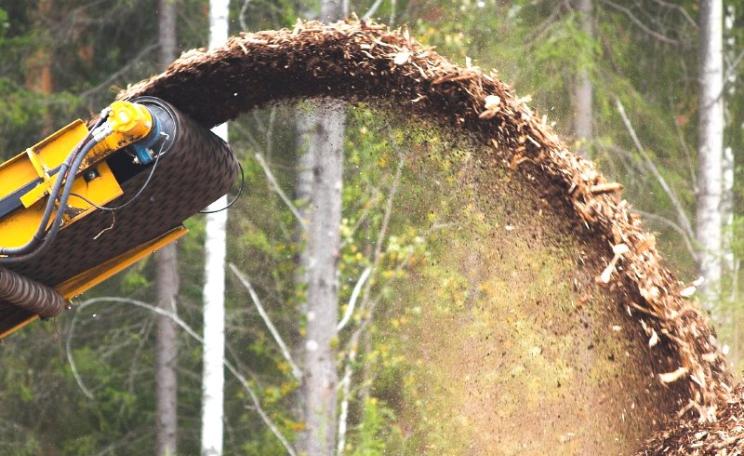
We, the signatories of this declaration, are calling on the European Union (EU) to exclude bioenergy from its next Renewable Energy Directive (RED), and thereby stop direct and indirect subsidies for renewable energy from biofuels and wood-burning.
Over 100,000 Burkina Faso farmers were pleased with Monsanto's yield-boosting Bt cotton, write Brian Dowd-Uribe & Matthew Schnurr. But not the companies that had to buy the crop at a fixed government-set price. The shorter fibres produced by Bt varieties led to less lint being extracted, and of lower quality, making it a lose-lose proposition for the country's most important industry.
The humanitarian crisis in Gaza has worsened after floods and purposeful destruction has taken its toll in recent months, writes Vanessa Amaral-Rogers. The eight year blockade by Israel and conflict with Egypt has already hit Palestinian families hard but now Gaza is at even greater risk as Egypt diverts seawater into life-line tunnels.
As Cuadrilla's application to frack in Lancashire goes to public inquiry today, protestors from Greenpeace have installed a full-size 'fracking rig' in Parliament Square, London, complete with flare and deafening sound effects, to let MP's know just how great it is to have a fracking well on your doorstep.
A British exit from the EU wouldn't liberate us from the extreme neoliberalism epitomised by TTIP, writes Caroline Lucas. On the contrary, UK governments have been the strongest drivers of the EU's 'free trade', pro-corporate agenda. Despite all the EU's faults - and they are many - it is protecting us from much, much worse.
As the movement to 'delist' Grizzly bears from protection under the Endangered Species Act gathers pace in US states and the Fish & Wildlife Service, two National Park superintendents have spoken out for the bears', writes Louisa Willcox. The hunters and the FWS may be furious, but the change of approach enjoys strong support from a public who have come to love their local bears.
Agriculture is big business and with the EU pumping money at the sector, the corporate profiteers are holding all the aces, writes Chris Lang. The documentary ‘Land Grabbing’ investigates what happens when well-financed agro-investors take over rural communities' land and water.
Official recycling rates in Russia stand at close to zero, writes Minna Halme. But my study of the potential to develop the sector uncovered widespread informal recycling networks, lurking in basements, stigmatised for supposed links to organised crime, barely tolerated by the authorities. And any ideas of legitimising the shadowy recycling operations are met with frosty official silence.
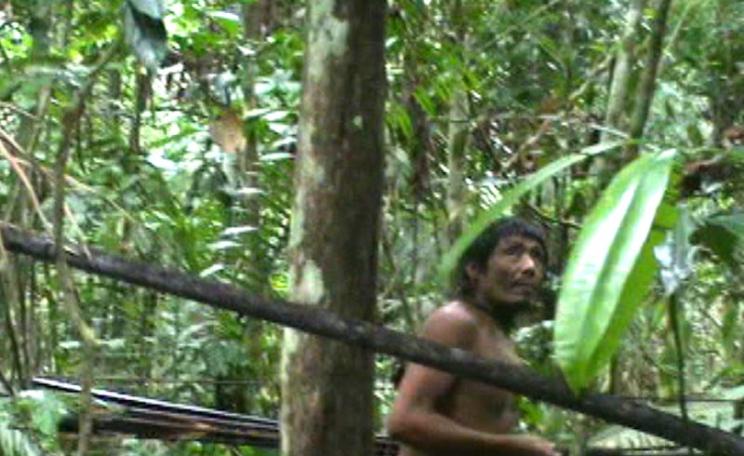
The Kawahiva, an uncontacted tribe in the Amazon rainforest, face extinction unless Brazil's government acts to secure their legal rights to land, security and to remain undisturbed by outsiders, writes Lewis Evans. The decree that would achieve this vital goal has been sitting on the Minister of Justice's desk since 2013. Let's make sure he signs it soon, before it's too late.
Highly radioactive tritium has leaked into groundwater at the Indian Point nuclear site 40 miles north of Manhattan, New York, write Sam Thielman & Alan Yuhas. Governor Cuomo has ordered a review of safety at the site, where two reactors are operating with no NRC license.
America's crumbling nuclear power plants, dozens of them built to the design that spectacularly failed at Fukushima, must be closed down to prevent catastrophe, writes Harvey Wasserman. So let's hear Bernie Sanders and Hillary Clinton speak out on the topic and make it a core issue in the Presidential race!
A growing body of scientific evidence show that cell phone users suffer a range of negative health impacts from infertility and brain tumors to hyperactivity and memory loss, writes Gary Null. Yet the Center for Disease Control has taken a weak and ambiguous stance on the issue, reflecting industry interests at the expense of citizens. We deserve - and must demand - better.
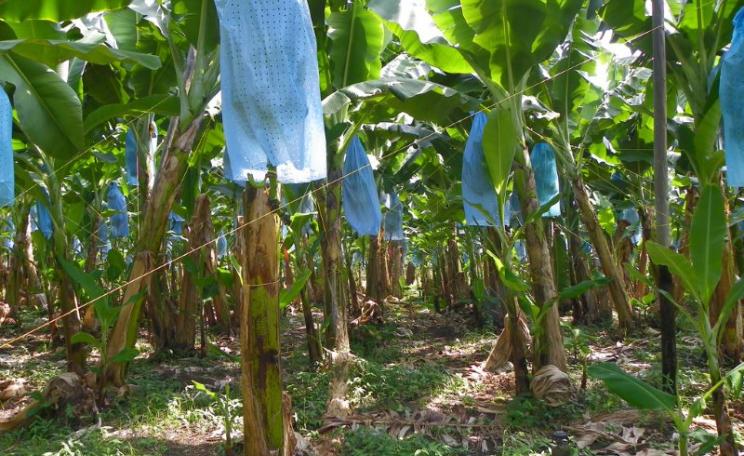
Bananas are at the sharp end of industrial agriculture's chemical war on pests and pathogens, writes Angelina Sanderson Bellamy. But even 60 pesticide sprays a year isn't enough to keep the diseases at bay. It's time to seek new solutions with little or no use of chemicals, working with nature, growing diverse crops on the same land - and breaking the dominance of the banana multinationals.