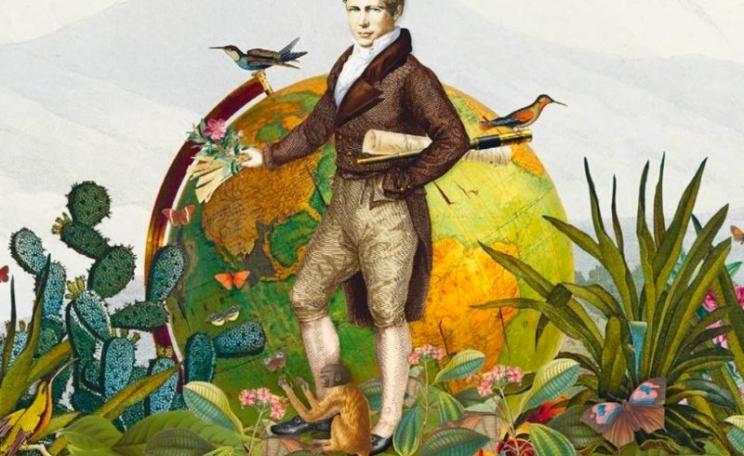
Andrea Wulf's book about the remarkable 19th century explorer and naturalist Alexander von Humboldt is welcome, opportune and a pleasure to read, writes Matt Mellen, packed as it is with high adventure and amazing discoveries. We have much to learn from him today in tackling the world's environmental crises; reading this book is an excellent - and enjoyable - way to begin.
State action on solar power can make a big difference, writes Aaron Viles. Driven by ambitious renewable energy targets and the need to generate local growth industries of the future, five states stand out for their trend-setting policies that are accelerating the US's clean energy transition.
A year after Shell was forced into a £55 million settlement with an indigenous community in Nigeria devastated by oil spills, a UK High Court judge has allowed two new such cases to proceed on behalf of some 43,000 subsistence farmers and fishers whose livelihoods have been wiped out by the same cause.
An encounter with a Colombian shaman led Peter Bunyard on a spiritual journey into and beyond the living, breathing, transpiring Amazon rainforest, providing key insights into the essential role of the great tropical forests in the workings of Gaia. He emerged re-energised from his visions - and inspired to redouble his efforts to save our wondrous planet.
Monarch butterfly numbers are dwindling despite protection of their wintering forests in Mexico, and voluntary schemes to restore their food plant, milkweed, in US field margins, writes Eva Sirinathsinghji. These measures alone are insufficient: no less than an end to the mass spraying of glyphosate on crops, predicated by 'Roundup-ready' GM corn and soy, will do.
A programme to be broadcast on BBC2 promoting badger culling as the answer to bovine TB is praised in the corporation's flagship Radio Times, writes Lesley Docksey. But both are criticised by experts for their inaccuracy and bias. The main reservoir for bTB is, and always has been, the cattle themselves - and that's where the real solutions begin.
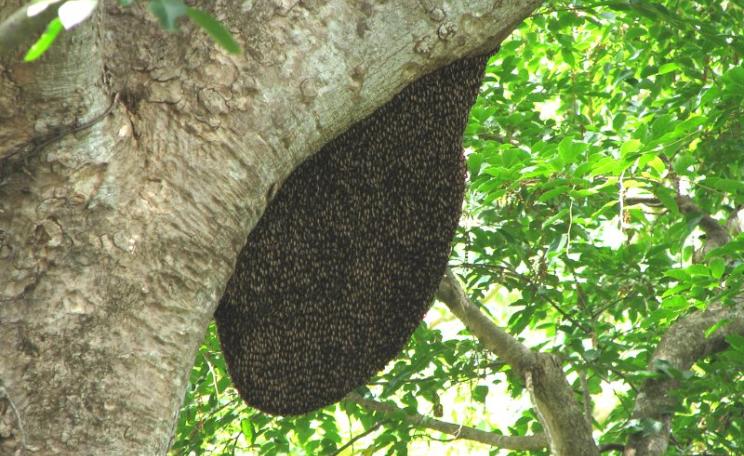
A warming climate and the loss of natural areas are driving Indian bee colonies to the brink, writes Premila Krishnan. Losing this cousin of our European honeybee could be disastrous, as rural communities depend on their honey for food and income, and the bees perform vital pollination services.
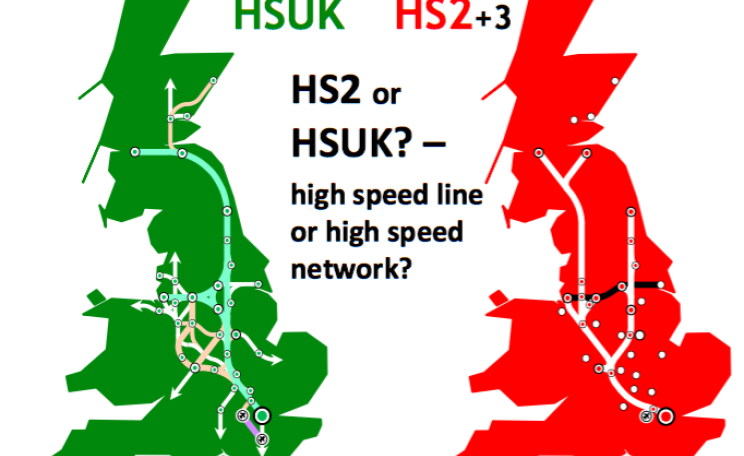
High Speed UK is the greener, well-connected alternative to HS2, write Colin Elliff, Andrew Coulson & Stephen Stretton - and it would save taxpayers billions. Financed by taxing property owners in connected cities on their windfall gains, HSUK would create a low fare, high capacity, interconnected railway network which would generate huge long-term profits for the nation.
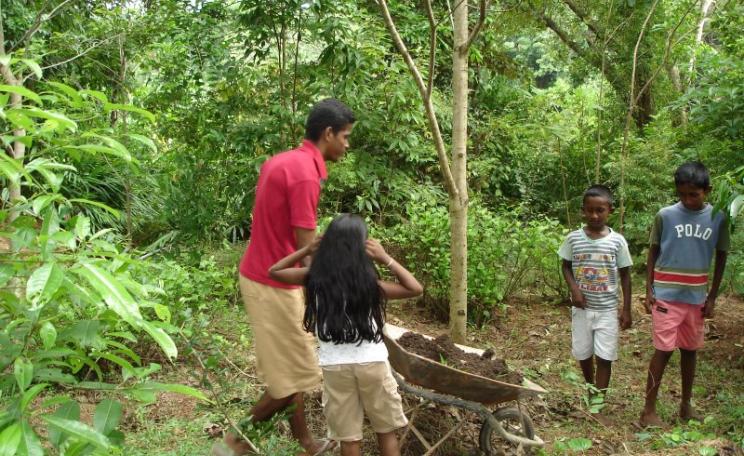
Modern practices mean that more than ever, people are disconnected from nature, writes Damitha Rajapakse. In Sri Lanka - a biodiversity hotspot which is full of endemic plants with unique properties - a conservation programme is under way to teach the new generation about the rich heritage of native fruits which surrounds them.
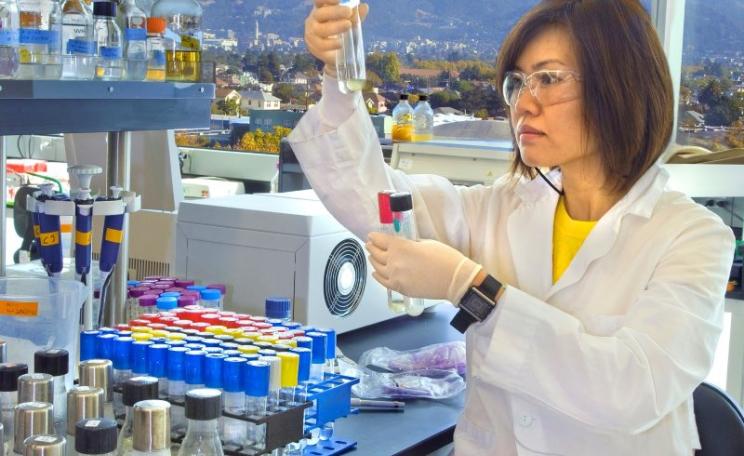
A synthetic biology plant producing the anti-malarial drug artemisinin has just shut down as it's much cheaper to use wormwood grown by African farmers, writes Almuth Ernsting. The technology is even further from making affordable diesel, with a production cost of $20-50 per litre. No wonder investors are losing patience - and confidence - in loss-making synbio companies.
French nuclear parastatal EDF is facing problem after problem - zombie nuclear projects in the UK, Finland, China and France, a fleet of 'beyond the grave' reactors, a dropping share price and its drooping credit rating. But is it really as bad as all that? Jonathon Porritt has exclusive access to the leaked Agenda of its latest board meeting. And the answer is - no. It's even worse.
At its Spring Conference in Harrogate yesterday the Green Party of England & Wales gave formal recognition to the Rights of Nature in an overwhelming vote, committing it to passing a new law to that effect at the earliest opportunity.
Conventional agriculture has made an enemy of evolution as pests and diseases develop resistance to biocides and over-bred hybrids succumb to them, writes Salvatore Ceccarelli. But there is another way - for farmers to participate in breeding seed lines that are continuously adapting to their environment, with ever improving yields, flavour, pest-resistance, and other sought-after qualities.
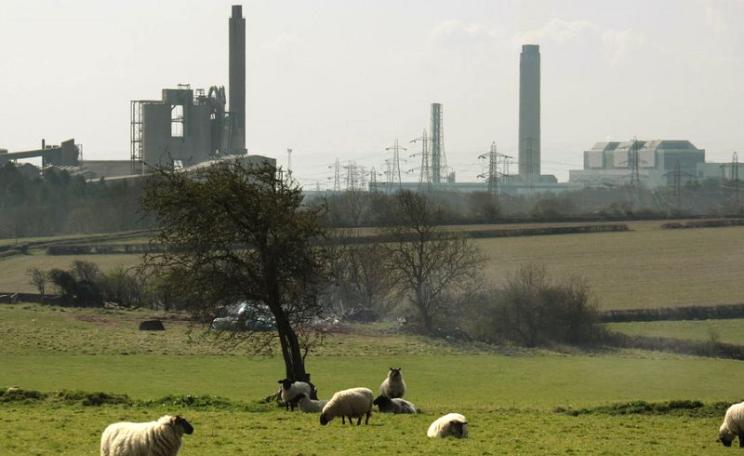
Wales should lead the UK in bringing an end to the entire coal industry from opencast mining to highly polluting power stations, writes Gareth Clubb. A new report by Friends of the Earth Cymru shows the Aberthaw plant alone imposes social and environmental costs of nearly £1 billion per year on the country and global climate.
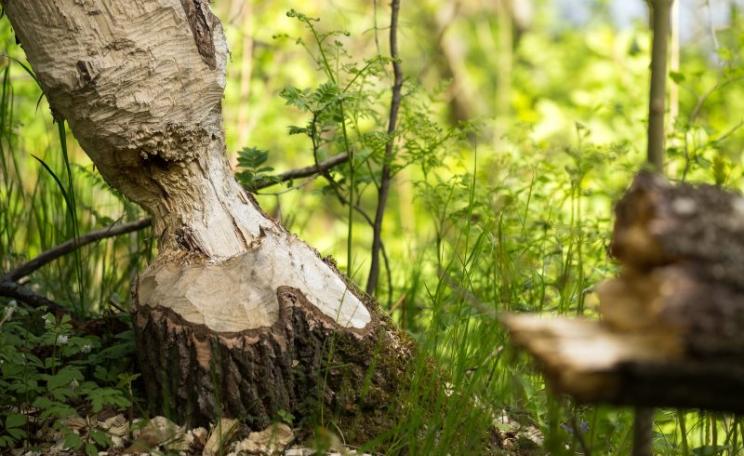
Beavers are Britain's native aquatic engineers and their return to sites in Scotland and England is doing wonders for the local environment, write Nigel Willby & Alan Law: restoring wetlands, recreating natural river dynamics and ecology, filtering farm pollutants from water, and improving habitat for trout and other fish.