North American buffalo are officially 'vulnerable to global extinction', writes Louise Willcox, yet the US National Parks Service and Montana are intent on their wholesale slaughter. In place of a complete ecosystem with wild-roaming buffalo and grizzly bears, wildlife managers are systematically favoring the over-abundant elk that drive the politically powerful hunting industry.
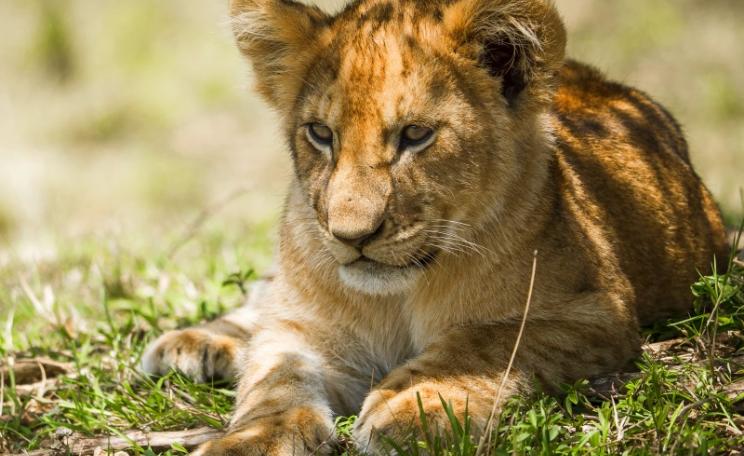
The conflict between lions and Africa's cattle herders goes back centuries, write Grant Hopcraft and Sara Blackburn - and lions have been the big losers in recent years. But where local people benefit from ecotourism, that ancient enmity can quickly be set aside. 'Community conservancies' around formal protected areas are helping both lions and indigenous communities to survive and thrive.
In trying to evaluate charitable interventions in 'value for money' terms, the movement for 'Effective Altruism' has lost its moral compass, Sam Earle & Rupert Read. The real changes the world needs are profound, systemic and political. There is no better example than the refugee crisis: the problem is not insufficient aid, but structural inequality, too many weapons, and too much war.
Nuclear power sites in Belgium have been targetted by Daesh radicals seeking radioactive materials to use in terrorist attacks, write Robert J Downes & Daniel Salisbury. One top nuclear researcher has come under hostile surveillance, while 'insider threats' have led to 11 workers being excluded from nuclear sites. But despite increased security, the threat has not gone away.
India's food system, essentially clean just a generation ago, has been comprehensively contaminated with sugar, bad fats, synthetic additives, GMOs and pesticides under the country's neoliberal 'great leap forwards', writes Colin Todhunter. The result? a surge in obesity, diabetes and cancer incidence, but no let-up in the under-nutrition of those too poor to join in the over-consumption.
The rights of nature and of indigenous communities are enshrined in Ecuador's constitution, writes Kevin Koenig. But down in the Amazon the government is going full speed ahead with oil extraction on indigenous territories whose owners are committed to keeping their forests and waters pollution-free. A mighty battle is brewing that looks certain to come to a head this year.
Poland is intent on a huge increase in logging in Europe's greatest ancient forest, writes Lucinda Kirkpatrick. The government says it's needed to control spruce bark beetles. But the insect is a key part of the ecosystem, creating woodpecker nest sites and habitat for other endangered species. In truth it's just a big timber grab that must be strongly resisted.
Italian prosecutors have raided Shell's offices to investigate the suspicious acquisition of a huge offshore oil field in Nigeria, writes Vanessa Amaral-Rogers. The oil block, sold by the Government for $20 million to a shell company owned by the oil minister, was later acquired for $1.1 billion by Shell and Eni.
A coalition of fishing, consumer, and environmental groups are suing the FDA for its 'unlawful' approval of Aquabounty's GM salmon, as it relied on treating the fish as an 'animal drug' under a 1938 law, and ignored serious risks to wild salmon and fishing communities.
Among Cuba's greatest achievements is its organic farming sector, writes Miguel Altieri. Developed in the 1990s following the collapse of the Soviet Union, small agroecological farms now employ 300,000 campesinos and provide an abundance of healthy fruit and vegetables. But now US food and agribusiness corporations are eyeing up a multi-billion dollar business opportunity.
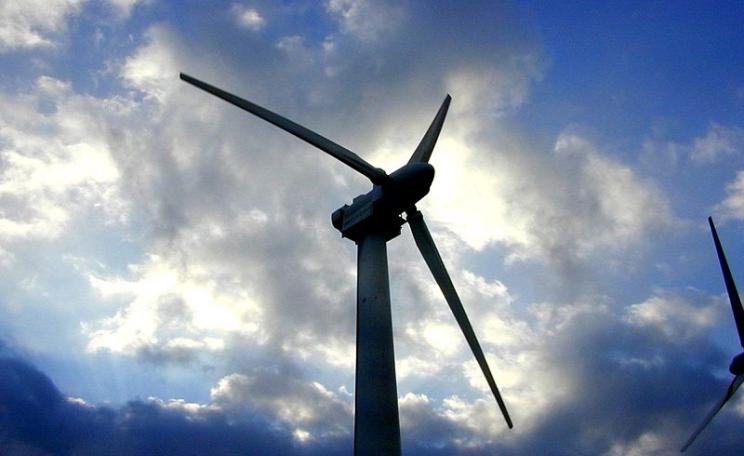
EDF in the UK may be propelled by its disastrous nuclear ambitions, writes Chris Goodall. But across the Atlantic it's another story: the company is the US's biggest wind developer, and selling its power, profitably, for under 40% of the price it has been promised for Hinkley C, including federal tax credits.
Since December 2011, when it became clear that the government was intent on its badger cull, Defra and Natural England have been flooded with FOI requests about how the culls would be set up, conducted and monitored. The notable success of Anna Dale in cutting through official obfuscation has implications for everyone trying to protect the environment and wildlife.
ExxonMobil has long known that climate change is real and dangerous, write Louise Rouse & Naomi Ages, while denying it in public and supporting climate change deniers. Now they accuse their critics of 'chilling' climate science and the search for solutions. The truth is the precise opposite.
An unprecedented coalition of 20 Attorneys General from US states and the Virgin Islands have combined to hold fossil fuel companies accountable for the deception they have inflicted on customers and the wider public over climate change, writes Lauren McCauley, in a move hailed as a 'turning point' in the battle to save the climate.
Oxford researchers have quantified the benefits of the world becoming vegetarian, writes Marco Springmann. Their study shows that simple changes - like moving to diets low in meat and high in fruit and vegetables - could lead to significant reduction in mortality and health care costs, while cutting food sector greenhouse gas emissions by two thirds.