World leaders are meeting in New York today to sign the Paris Agreement on climate change, write Stephen Buranyi & Oliver Tickell. But the world just failed a big test of its commitment to the Paris targets by deadlocking on IMO proposals to limit emissions from international shipping.
With its 800 bases in 80 countries, the US's global military domination is often seen as an altruistic exercise to ensure world peace and harmony, writes Pete Dolack. It is, of course, the opposite: the essential underpinning of the US's predatory economic power, always ready to strike down any challenge to the rights and privileges of its corporate conquerors and financial oligarchy.
Little Vermont is having a big impact on GMO food labeling across the US, writes Lawrence Woodward. And with 'regulatory cooperation' under TTIP that influence could reach into the EU. Trouble is, Vermont's labeling law contains major exemptions - on meat products, take-aways and restaurant food, as well as products from animals fed GM feeds. The US, and the EU, deserve better.
What's the point of farming? To produce an abundance of wholesome food, writes Colin Tudge, while supporting a flourishing rural economy and a sustainable, biodiverse countryside. Yet the powers that be, determined to advance industrial agriculture at all costs, are achieving the precise opposite. It's time for a revolution in our food and farming culture, led by the people at large.
The EU Commission has caved in to US pressure in TTIP trade talks by deciding to consider organisms modified by new 'gene editing' techniques as non-GM - in violation of the EU's own laws. The move could make the 'new GMOs' exempt from labeling and from health and environmental testing.
Consumer environmentalism aligns conservation with modern consumer culture, writes Paul Jepson, offering NGOs the means to reach new people and generate new funding streams. But it risks ever more shallow public engagement and digital activism where masses of people back 'solutions' that only make themselves feel good.
The Reuters news organisation has just sullied its reputation with a disgraceful attack on the WHO's specialist body on cancer, the IARC, writes Claire Robinson. Resorting to smear, innuendo and anonymous critics, it relies heavily on discredited industry sources including tobacco defenders in its attempt to undermine IARC's view that glyphosate probably causes cancer.
A film investigating the 2012 murder of a forest defender has been banned by the Cambodian Government, writes Rod Harbinson. Chut Wutty's campaign to protect the forest on which his community depends clashed with powerful business and military interests. A first attack by soldiers was held off by campaigners, but...
The 'brutal savage' meme has enjoyed a resurgence in popular culture and establishment narratives, writes Stephen Corry, despite abundant evidence that it's fundamentally wrong. But it suits today's dominant mindset of conquest, conflict and colonialism all too well, and serves to justify the ongoing genocide and expropriation of surviving Indigenous Peoples today.
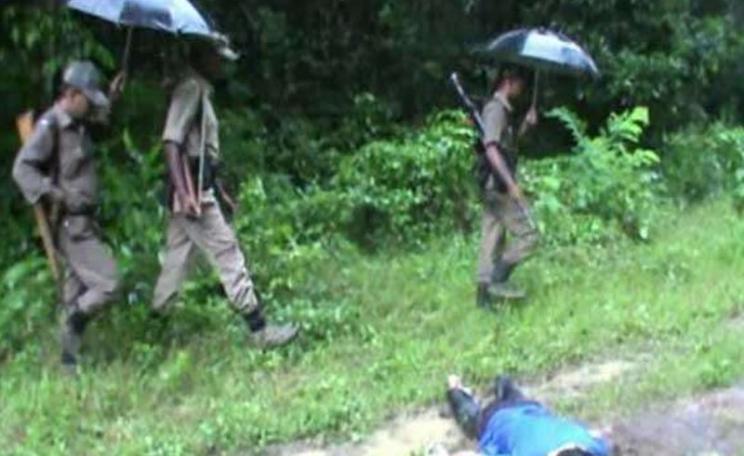
The endangered Bengal Tiger and One-horned Rhino desperately need protection, writes Lewis Evans. But in India's Kaziranga National Park, 'fortress conservation' includes a brutal 'shoot on sight' policy that is terrorising local communities, many of them tribal. Indigenous peoples are the natural allies of conservation and need to be engaged in constructive solutions - not shot!
Remember when the UK was the 'dirty man of Europe'? What has changed since then, writes Caroline Lucas, is our membership of the EU - which has made us raise our environmental performance on everything from fisheries to air pollution, nature conservation, clean bathing waters and renewable energy. Leave, and it could all go into reverse.
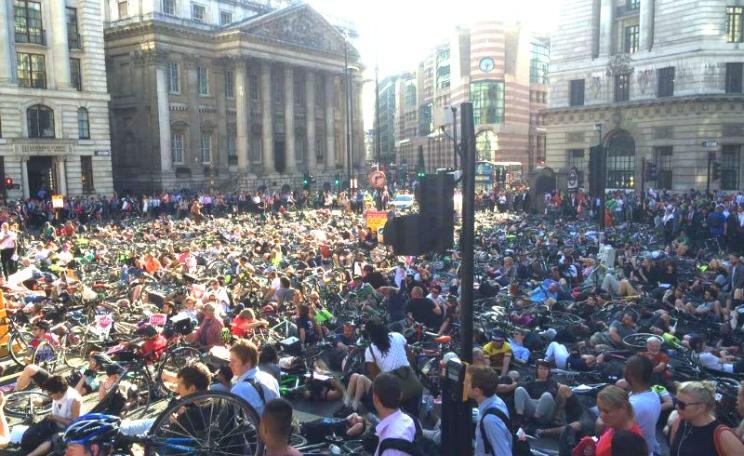
Stop Killing Cyclists are staging a protest in London on 27th April to demand an end to the UK's intolerable air pollution, writes Donnachadh McCarthy. With an estimated 40,000 people dying every year from filthy air, much of it caused by diesel cars, all are welcome to join in, denounce the government's 'polluters' friend' policies, and insist on swift action to stop the needless deaths.
Why do we humans resort to shooting, whenever a challenging problem confronts us? Whether it's culling badgers to protect hedgehogs, or renewing the Trident missile threat with expensive upgrades, our species seems determined to upset the balance of nature and harmony on Earth by shooting first - and never asking the questions at all.
New analysis of the vast body of research shows 97% of climate scientists agree that human activities are fuelling climate change, writes Tim Radford. But thanks to aggressive attempts to convince us otherwise, only 12% of people in the US are aware of this high level of agreement.
American NGO advocating for young people's future environmental rights has won a first key legal battle in its fight to force the United States to avoid dangerous climate change by cutting its greenhouse gas emissions, writes Sophie Marjanac. If upheld on appeal in higher courts, the ruling has huge implications for us all.