The EPA's release of an internal memorandum last month showing the increasing use of the cancer-linked weedkiller glyphosate looked like a welcome opening up of information to the public, writes Carey Gillam. But then it was suddenly withdrawn, along with other related documents - though not before she grabbed her copy and reviewed the scale and scope of glyphosate usage.
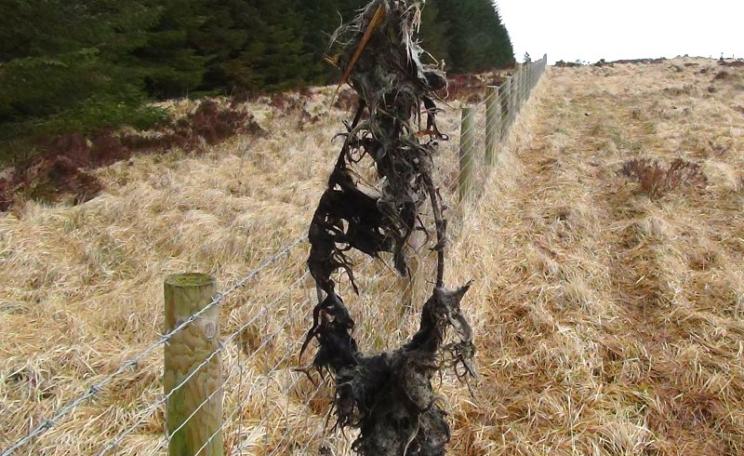
Snares are one of humankind's earliest inventions, writes Bill Oddie, once essential to our survival as hunters. But their modern use by gamekeepers seeking to protect game birds on shooting estates from predators is a cruel and barbaric practice, with most of the victims non-target species like hares, badgers and deer.
Bristol's decision to trial vinegar as a weedkiller in place of glyphosate certainly grabbed headline-writers' imaginations, writes Harriet Williams. But with a wide choice of proven chemical-free weed control strategies available, might this experiment be 'set up to fail'?
The corporate war on traditional farming is nowhere fiercer than in India, writes Colin Todhunter. After decades of the 'Green Revolution' that have impoverished the nation's soils, water, biodiversity and cultivators alike, agribusiness is poised for its final strike. But now the small scale farmers who produce most of the country's food are rediscovering ancient agroecological alternatives.
A recent scientific study found the same long-chain omega-3 oils that are engineered into a new GM Camelina oilseed variety make butterflies grow up with deformed wings, writes Claire Robinson. Attempts by the 'pro-science' non-scientist Mark Lynas to discredit the study are a mixture of ignorance, research failures, 'straw man' arguments and outright errors.
The quiet desperation of declining towns and cities across America's West is understandable, writes George Wuerthner. Of course people dream of the 'good old days' when there were wild prairies to be grazed, forests to be felled and oil wells to be sunk - and try to bring them back. But in so doing they neglect and abuse their real and enduring wealth: nature, landscape and wildlife.
Britain's nuclear bomb test veterans suffered severe genetic damage from radiation, writes Chris Busby, and their case for compensation is being heard in the High Court today. Key to their case is evidence of similar damage inflicted on in utero babies exposed to radiation from the Chernobyl disaster, and how the dreadful health impacts of radiation cascade down to future generations.
Earlier this year, 13 climate activists were sentenced for aggravated trespass after blocking a runway at London’s Heathrow airport. For Kara Moses, the protest was part of her Buddhist practice of loving kindness to life and planet.
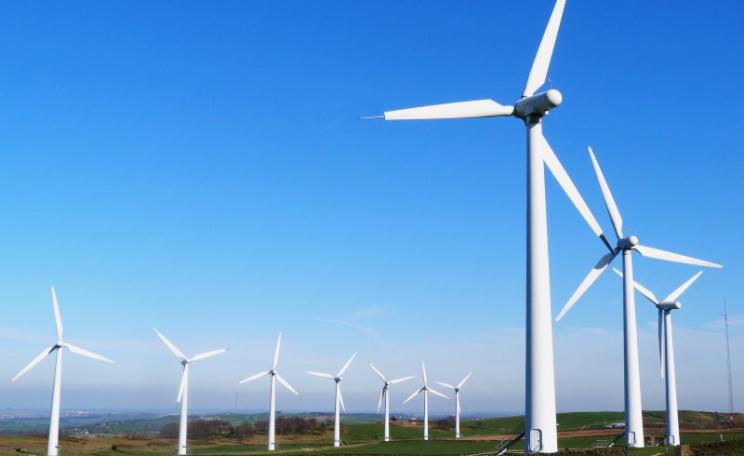
Critics of renewable energy sources like wind and solar claim that they are inefficient, unreliable and need to be backed up by coal and gas, writes David Elliott. But we have the technology to match green power supply and demand at affordable cost without fossil fuels - by deploying the 'smart grid', using 'green gas' made from surplus power, and raising energy efficiency.
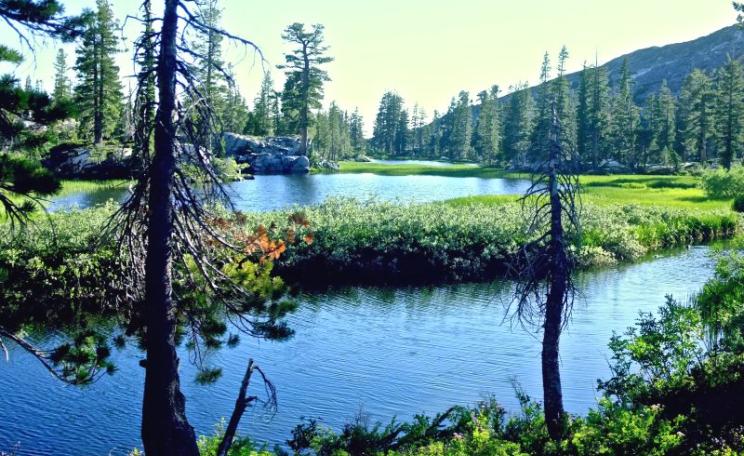
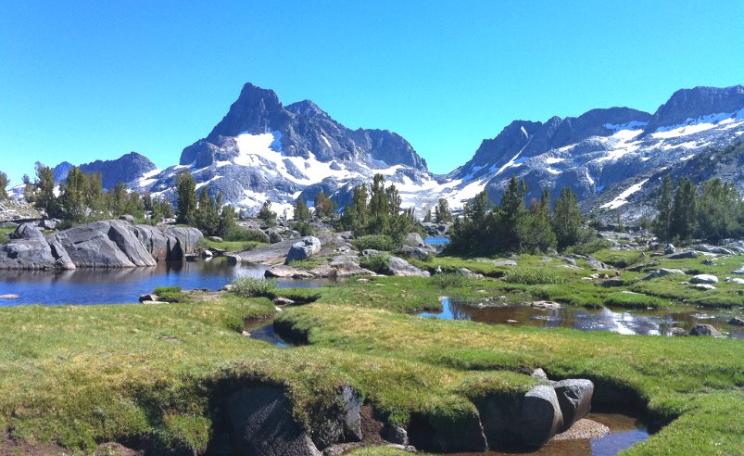
For John Muir, founder of America's national parks, immersion in nature was a blessing providing direct communion with divinity, writes Tim Flinders, and the cause of a spiritual awakening that inspired his life's work: to preserve wilderness and communicate the beauty, wonder and fragility of nature, sharing widely the source of his own enlightenment.
The leaked chapters of the EU-US TTIP 'free trade' deal reveal a shredding of health, environmental and other protections for consumers and citizens, writes Pete Dolack. It's a wet dream for corporate monopolists and profiteers, and the elite bureaucrats that serve them. But for civil society it represents an irreversible destruction of democracy itself.
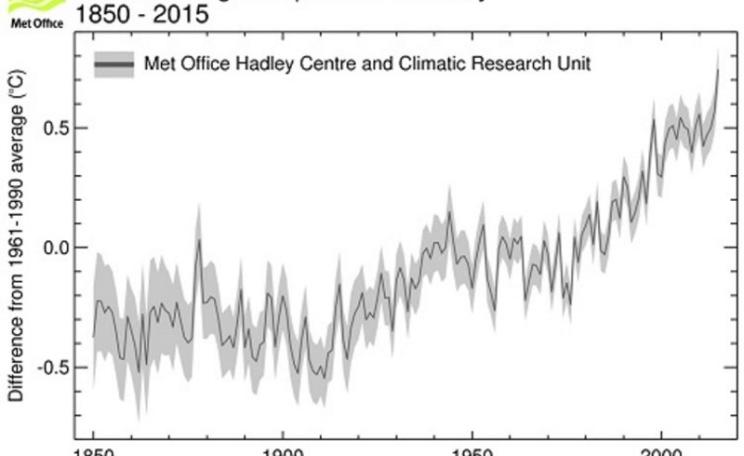
The deliberate misrepresentation of climate science in our media deserves an urgent corrective, writes John Krebs. Recent misreporting by The Times - passing off partisan, unscientific, non-peer reviewed, ill-informed climate change-sceptic opinion as 'science' - deserves particular opprobrium.
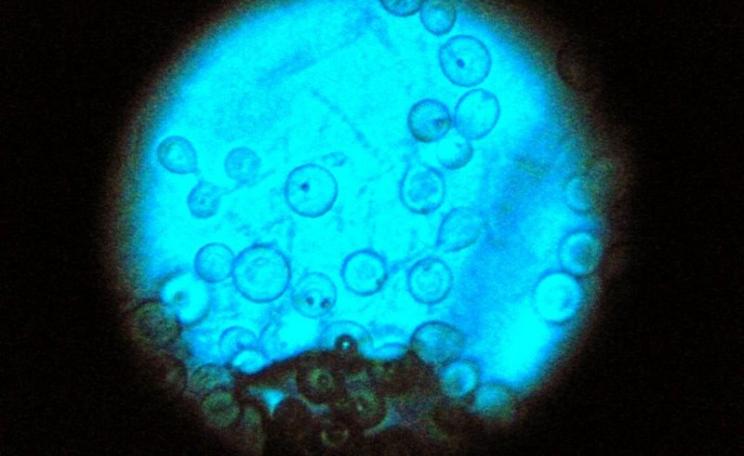
A new study shows that the market-leading Roundup herbicide kills soil microbiota at concentrations 50 times lower than used in agriculture, writes Claire Robinson. The findings raise serious new concerns about the environmental impacts of glyphosate herbicides.
Resurgence magazine (now Resurgence & Ecologist) celebrates 50 years of independent publishing with a landmark event hosted by Worcester College, Oxford, 22-25 September 2016.
The TTIP EU-US trade deal has finally hit the rocks with massive popular opposition on both sides of the Atlantic gaining serious political traction, write Guy Taylor & Nick Dearden. There's now a good chance that TTIP will be defeated - but first we must make sure that CETA, the equally toxic EU-Canada 'Trojan Horse' deal, bites the dust.