Living at Grow Heathrow has been a spiritual experience says resident Edward Thacker. We are actively rebelling against the wasted values of materialism, the capitalist world view which seeks to objectify nature.
The European Parliament today called on the Commission and member states like the UK to stop funding the 'New Alliance' plan to force export-oriented agribusiness onto Africa. Instead they want support for small-scale family farms and agroecology.
LED light bulbs are cheap and energy efficient, writes Chris Goodall. A crash programme to replace all the lights in the UK with LEDs would cut electricity bills, reduce carbon emissions and other pollution from coal and diesel generation, and reduce the risk of blackouts.
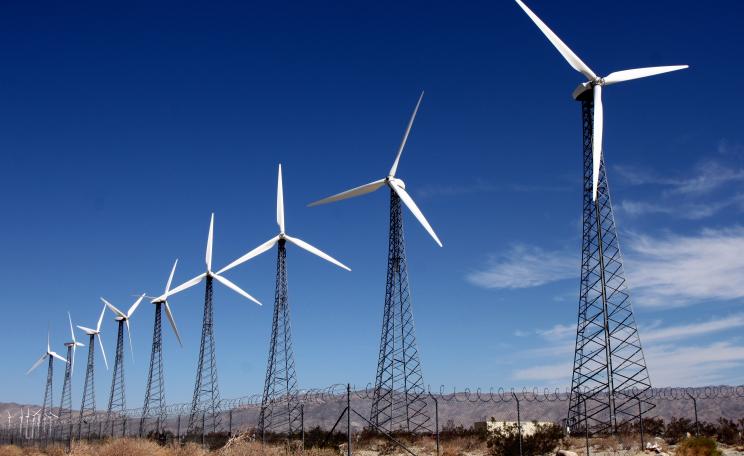
The renewable energy revolution is in full swing, writes Jeremy Leggett, with costs falling to new lows, deployment of wind and solar surging to unprecedented highs, and confidence ebbing away from fossil fuels. But global warming is also accelerating, with global temperature records broken every month for a year. Will the energy transition happen in time to avert catastrophe?
Birds eggs are wonderful, as Tim Birkhead makes clear in his new book. But they are also enigmatic, mysterious, their secrets not lightly surrendered. Every kind of egg is perfect in its own way, writes Martin Spray, but the logic that underlies their characteristic designs, colours and shapes eludes the most assiduous of oologists.
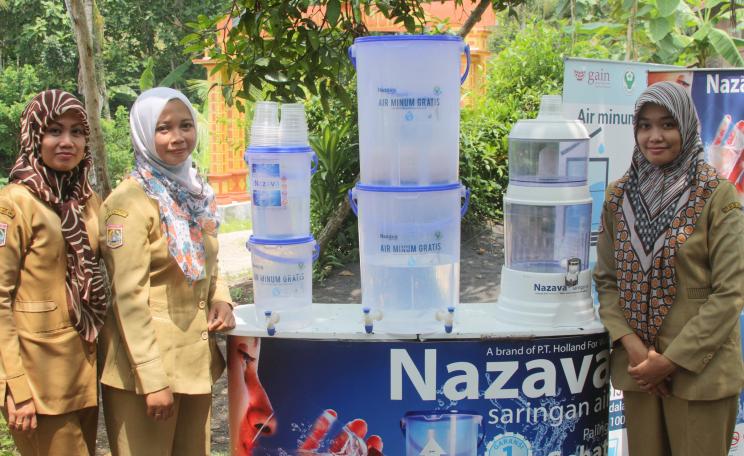
Later this week, an organisation that has helped make safer drinking water available to families in Indonesia will receive the new Ashden Award for Sustainable Energy and Water 2016. Here, Chhavi Sharma, explores the importance of using sustainable energy technologies to supply safer drinking water around the world.
Thailand's 'tiger temple' was a front for the commercial exploitation of tiger bones, skins and other parts for the lucrative international trade, writes Simon Evans. It made no contribution to conservation and the animals were subject to extreme cruelty. But while the temple's closure is good news, there are hundreds of similar tiger farms across the region that are no better - or even worse.
Twin nuclear reactors at Taishan in China have been sealed into their concrete domes despite fears that the reactor vessels have serious metallurgical defects. No safety test data has been released by the two companies in charge, EDF and CGN, to show that the reactors will not crack in operation, releasing radioactivity.
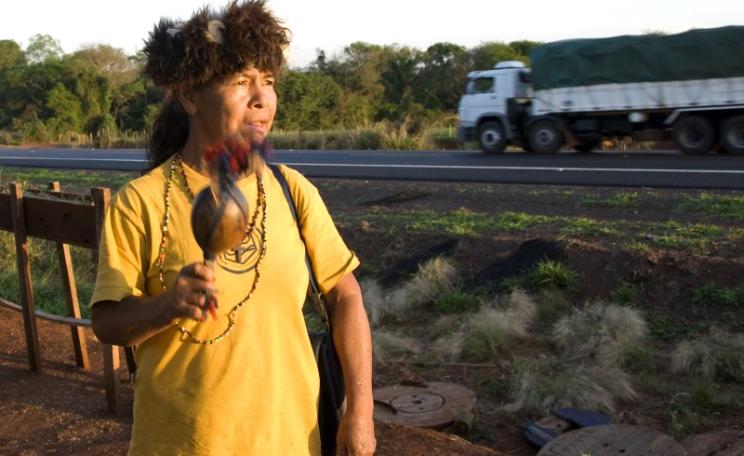
Land theft, agribusiness and violence pose an existential threat to Brazil's Guarani people, writes Lewis Evans. They maintain a powerful resolve to regain their historic lands, and even have the law on their side - but the tribe will need international support to prevail against murderous ranchers and farmers, corrupt politicians and a paralysed legal system.
The mainstream British media have long acted as cheerleaders for GMOs, but none quite so much as The Times and its disgraced correspondent Matt Ridley, writes Colin Todhunter. His most recent article on the topic is a strange concoction of misrepresentations, falsehoods and blunders dressed up as science, and reflects both his ignorance of the real facts and his deep ideological commitment to corporate profit and power.
Britain's soils are in a bad way, writes John Quinton, and the government is doing little to help - indeed its policies are making the problems worse. So concludes yesterday's Environment Audit Committee report on soil health. But are ministers bothered?
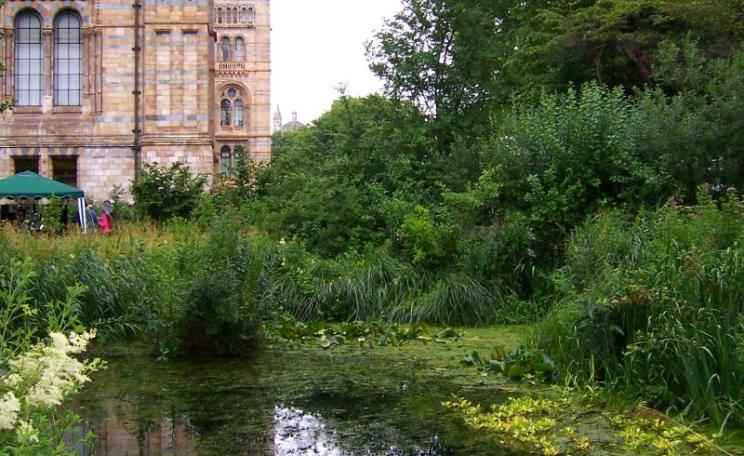
A proposed redesign of the Natural History Museum's grounds in London would cause some unfortunate collateral damage, writes Gary Grant - the destruction of the Museum's 21 year-old wildlife garden, an ecological jewel in the heart of London which features over 3,000 species of plant and animal in just one lovingly tended acre. The Museum must think again!
There are a thousand million voices that will never be heard when we in the UK vote on June 23 - they are all disenfranchised citizens of this land. We should think of them in the coming referendum, urges LESLEY DOCKSEY
The Renewables 2016 Global Status Report just published by REN21 - The Renewables Energy Policy Network for the 21st Century - shows that renewables are now firmly established as competitive, mainstream sources of energy in many countries around the world, closing the gap between the energy haves- and have-nots
The influence of fossil fuel corporations was strongly questioned by developing countries in the post-Paris meeting of the climate change negotiations in Bonn last week. Climate Trackers Pavlos Georgiadis, Renee Karunungan and Anna Pérez Català highlight the key issues that were debated