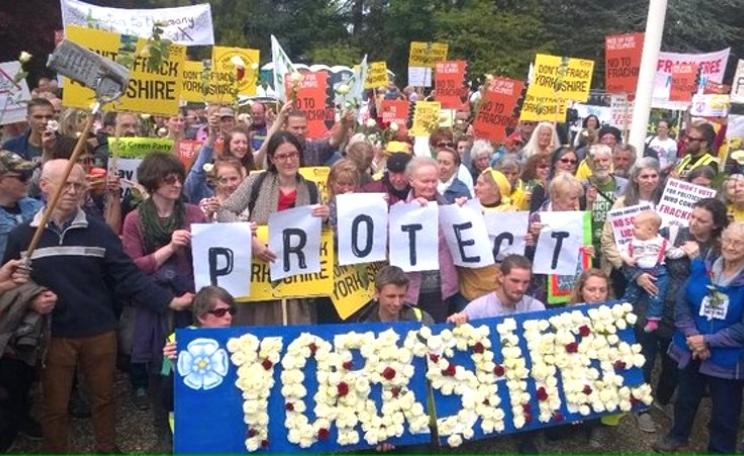
Conservative councillors have passed an application to frack in the Yorkshire Dales by Third Energy, signalling the return of shale gas exploitation in the UK after a five year break, writes Victoria Seabrook. Campaigners vow: 'We will fight on!'
Those opposed to the mass release of GM crops and foods inadequately tested for health and ecological safety are routinely accused of being anti-science, writes Elizabeth Henderson. But it's the GM corporations and their academic allies that are suppressing scientific research, and organic farmers that are building alliances with independent scientists for a future of safe, healthy food.
President Obama should overcome political constraints in Hiroshima this week to say 'sorry' for the nuclear bombs, writes Linda Pentz Gunter. Even more important, he must change his stance on nuclear weapons - abandoning the US's $1 trillion WMD modernization program and lifting the threat of world-destroying nuclear conflict.
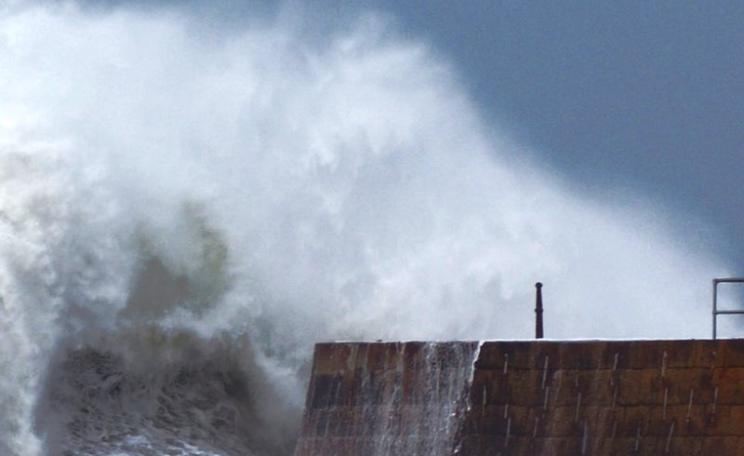
Scientists are rightly getting worried about increases in the average sea level over coming years, decades and centuries, writes Mikis Tsimplis. But that's only one cause of sea flooding and the loss of land to the sea. What's often forgotten are intense sea storms, hurricanes, typhoons and shifting tides, which have huge implications for the future of coastal areas around the world.
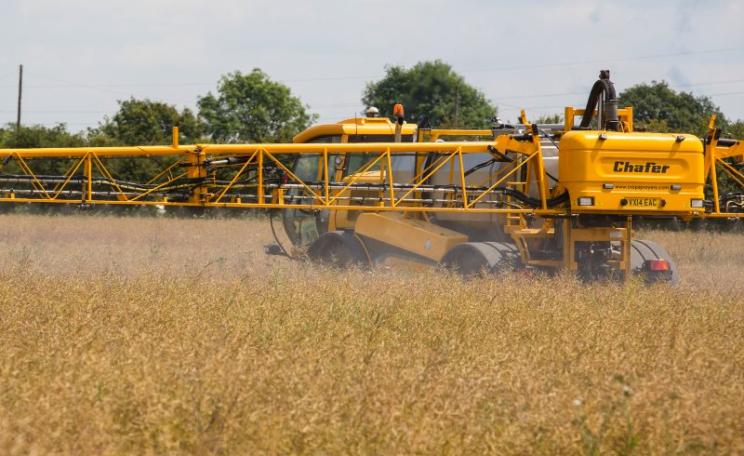
Apparent 'victories' in the fight against toxic chemicals - like the EU's failure to re-approve glyphosate yesterday - are illusory, writes Jonathan Latham. The real problem is not one of specific 'bad actors', but the entire system that allows new, likely to be toxic compounds to pollute the environment in near-total ignorance of their impacts. It's time to take our campaigning to a whole new level.
Slavery is a terrible thing for the world's estimated 36 million slaves, writes Kevin Bales. But it's also an environmental disaster. Many slaves are forced to work in destructive activities like clearing forests for mines, farms and plantations - making slave labour the world's third biggest 'country' in terms of CO2 emissions. It really is time to end slavery!
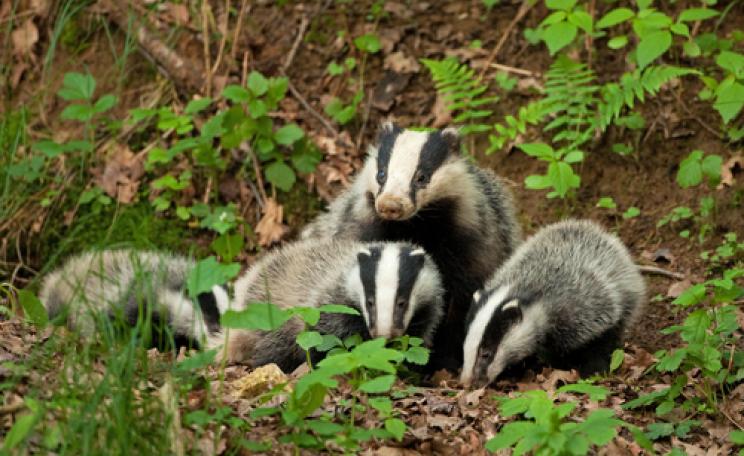
Ecologist Tom Langton continues to make the case that the only way to eradicate bovine TB is through proper testing and not through badger culling which simply doesn't work
The UK's 'Green Deal' energy efficiency scheme was a massive failure, writes Sue Roberts. But few knew just how bad until the NAO's report - which reveals that its main effect was to line the pockets of the Big Six energy companies, load the public with expensive loans, create a tangle of red tape, and engineer the collapse of the UK's nascent energy efficiency sector.
Learn, rejuvenate and enjoy a weekend of yoga – learning from true masters at the World Yoga Festival taking place from 29th-31st July at Beale Park, Lower Basildon, Reading.
Temperatures in the Middle East and North Africa could reach unbearably high levels by mid-century, writes Tim Radford - and then keep on rising. The intolerable heat would render large areas uninhabitable and give rise to a wave of 'climate refugees' seeking escape to more temperate regions.
With EU ministers due to decide tomorrow on the future of the glyphosate in the EU, Colin Todhunter finds evidence of collusion between regulators and the corporations whose sales of the 'probably carcinogenic' herbicide add up to many billions of dollars a year - evidence that underlies a legal action alleging fraud by the European Food Safety Authority against the EU's 508 million citizens.
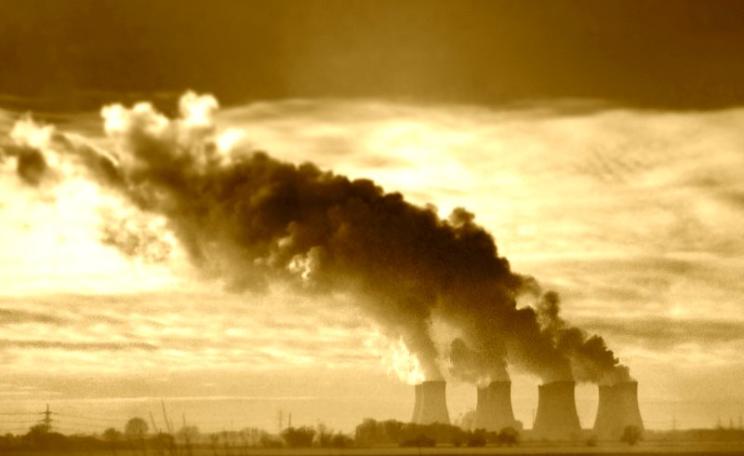
Government plans to pay coal and diesel generators to stay open the winter after next to 'keep the lights on' betray dangerously old-fashioned thinking, writes Chris Goodall. Not only would it subsidise our dirtiest electricity - it's also incredibly costly. Why not just pay people to reduce their demand when power supplies are stretched?
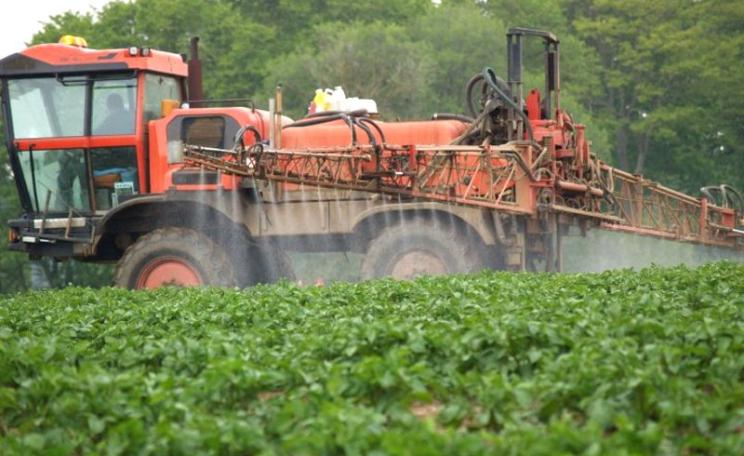
News headlines today suggest that a UN report on glyphosate residues has given the controversial herbicide a clean bill of health, writes Georgina Downs. But that's seriously misleading: the panel concludes that exposure to the chemical in food is unlikely to cause cancer. But that does not apply to those exposed to it occupationally or who live near sprayed fields.
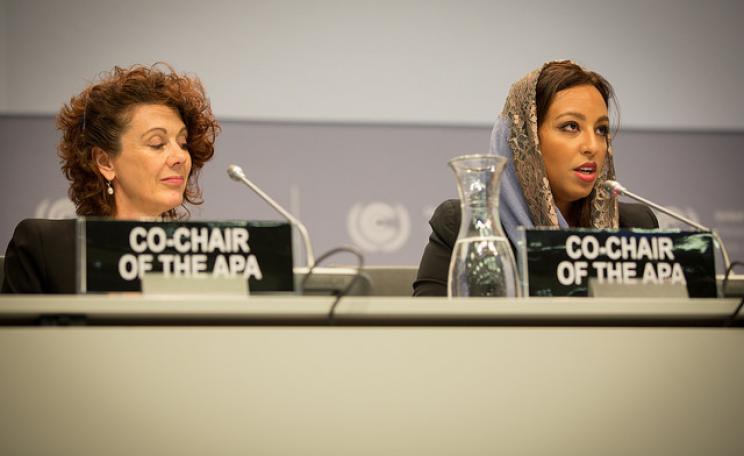
The UN intersessional negotiations on climate change (UNFCCC) which started in Bonn last week enter their second week with the big question - how to find and allocate by 2020 the $100bn as agreed in the Paris Agreement. Climate tracker Pavlos Georgiadis reports.
She's the leader who's taken the UK Green Party into the mainstream but Natalie Bennett has announced she will not stand for a third term and will be stepping down from the 'top job' this summer