X
A historically low 14 per cent of eggs bought across Britain in the last three months came from caged hens as consumers flock to less cruel options, official statistics released yesterday show.
Animal charity The Humane League UK has celebrated the news but warned that progress could stall without legislation. Ministers are considering a ban on the practice but this is being actively opposed by the industry.
A ban would free six million hens from cages, the charity claims, in a historic win for animal welfare. The British Government has previously indicated it is considering a ban on cages as part of its animal welfare strategy.
Dust-bathing
Cordelia Britton, head of programmes at The Humane League UK, said: “Cages inflict misery on hens, and the public is eager to see them banned.
"Imagine wire walls, hemming you in from all sides; constant commotion, the frustration of other birds, ammonia stinging your eyes.
"These new numbers suggest that for cages, the undertakers have been hired and the grave dug. Now all the government needs to do is nail the coffin lid shut. They hold the key that can free hens for good.”
Polling has found that an overwhelming 94 per cent of the UK public oppose the use of cages for laying hens.
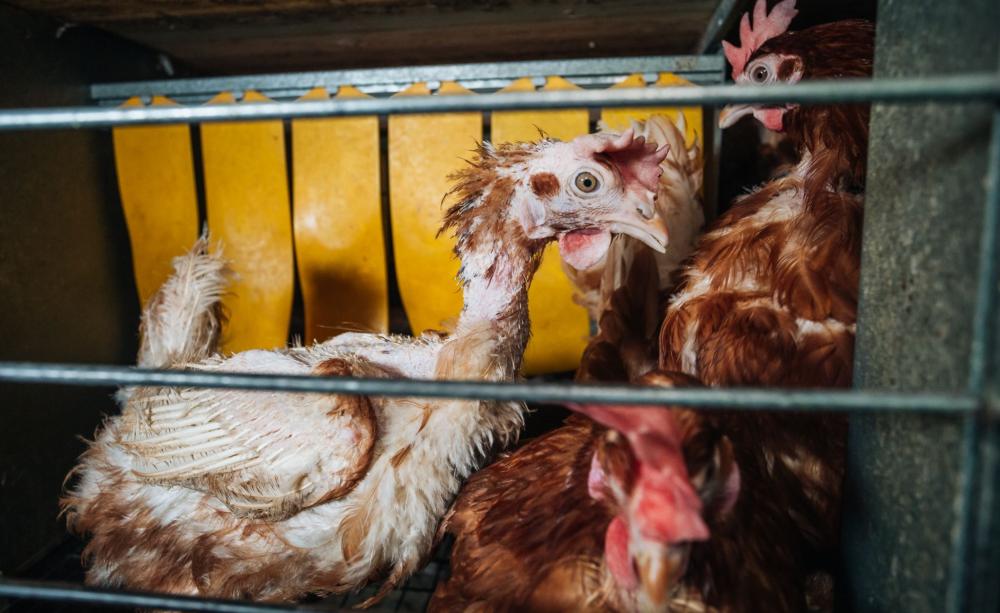
Hens in cages suffer lives of extreme pain, and have little more room to move than an A4 sheet of paper per animal. The cramped conditions make a bird’s natural behaviours, like dust-bathing, perching, roosting and even stretching their wings difficult or impossible.
Trapped
This frustration results in higher rates of aggressive pecking among the birds, and higher rates of brittle bones due to lack of exercise. Farmers can access up to £500,000 in government grants to transition to cage-free systems, undermining claims that a ban would be unworkable.
Major supermarkets including Aldi, Co-op, Sainsbury’s, Morrisons, M&S and Waitrose have already gone fully cage-free for shell eggs, demonstrating that the transition is both achievable and commercially viable.
Additionally California, Czech Republic, Germany and Denmark have also banned cages for hens, with a potential EU-wide ban on the way.
Just a decade ago around 50 per cent of hens were still in cages, and supermarkets committing to going cage-free had a massive impact.
Britton concluded: "However, without legislation, smaller retailers and food outlets are likely to continue using caged eggs, ensuring millions of hens remain trapped."
This Author
Brendan Montague is an editor of The Ecologist.